A simple guide to daily meditation books that offer short reflections, steady prompts, and a calmer way to begin or end the day.
.webp)
A daily meditation book is not there to overwhelm you with big ideas before breakfast. At its best, it gives you one small thing to sit with - a thought, a question, a sentence that stays in the mind a little longer than expected.
Some books are built around spiritual reflections. Others feel more practical, with short prompts for mindfulness, gratitude, breathwork, or self-awareness. The right one depends on what kind of support feels useful. Some people want gentle guidance in the morning. Others prefer reading a page at night, when the day has finally gone quiet.
A good daily meditation book should be easy to return to. Not too heavy, not too polished, not full of advice that sounds nice but disappears after ten seconds. Just clear, thoughtful pages that make it a little easier to pause, notice what is happening inside, and carry that steadiness into the rest of the day.

Mesmerize gives users a simple way to practice meditation with guided sessions, calming visuals, relaxing narrations, soundscapes, and visual breathing. It works well for people who want something steady to follow each day instead of sitting in silence and trying to figure it out from there.
The app also includes quick presets, focus music, nature sounds, white noise, sleep stories, affirmations, hypnosis content, offline listening, a sleep timer, Apple Health mindful minutes tracking, and 3D voice effects for narration. Mesmerize is also privacy-focused, with no ads, no marketing emails, and no unnecessary permissions.
With Mesmerize, users can:
Download Mesmerize and make daily meditation easier to begin.
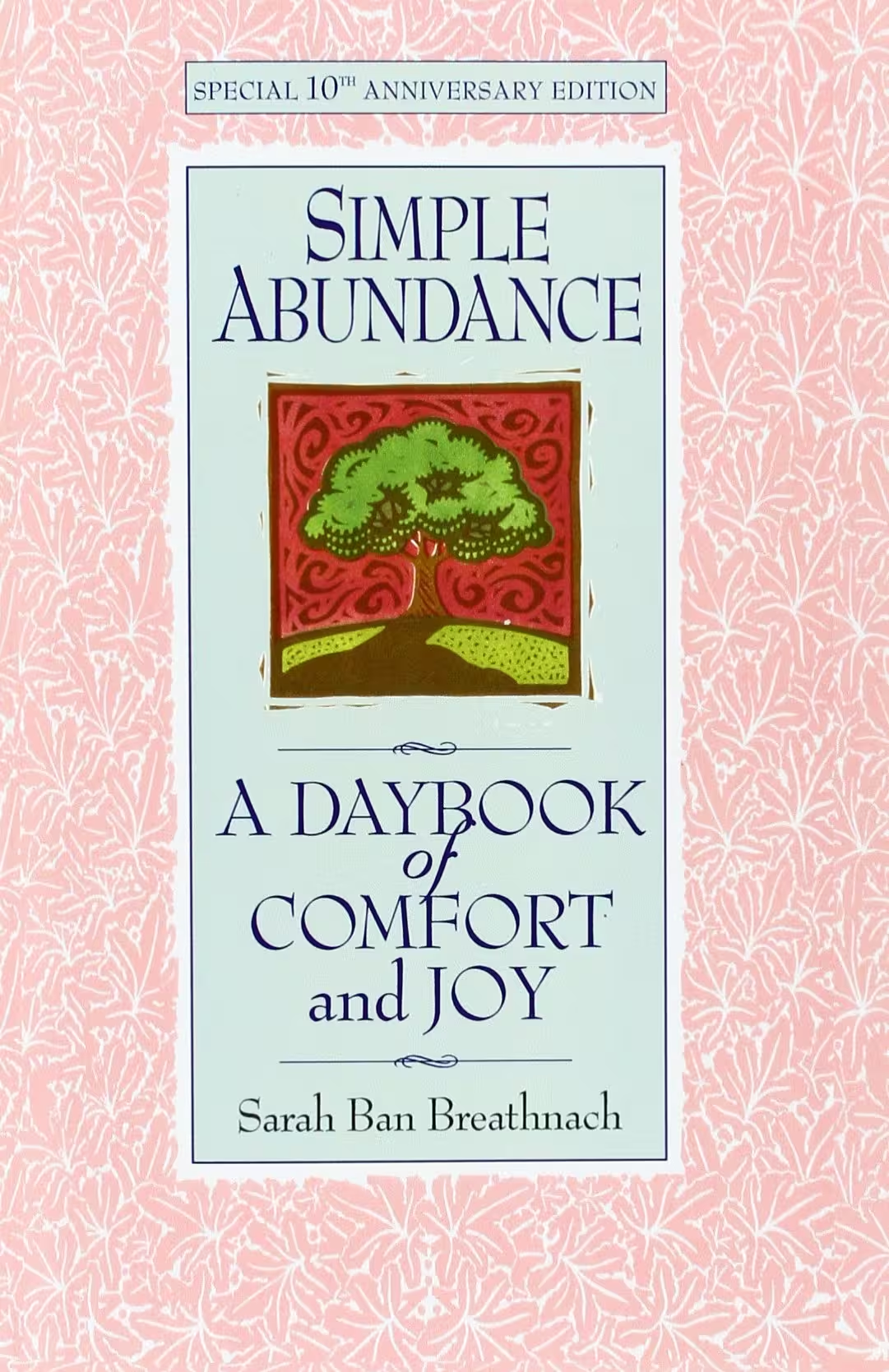
Simple Abundance works more like a daily companion than a meditation manual. It is built around short readings that touch on gratitude, self-care, home, creativity, and the small rituals that shape a person’s inner life. The tone is warm and reflective, with a slightly old-fashioned self-care feel, but not in a cold or instructional way.
A reader could use it in the morning with coffee, before journaling, or at night when they want something softer than another scroll through their phone. It does not teach meditation step by step. Instead, it gives a thought for the day and lets the reader carry it around for a while. That makes it useful for people who like their daily practice to feel personal, gentle, and a little domestic.
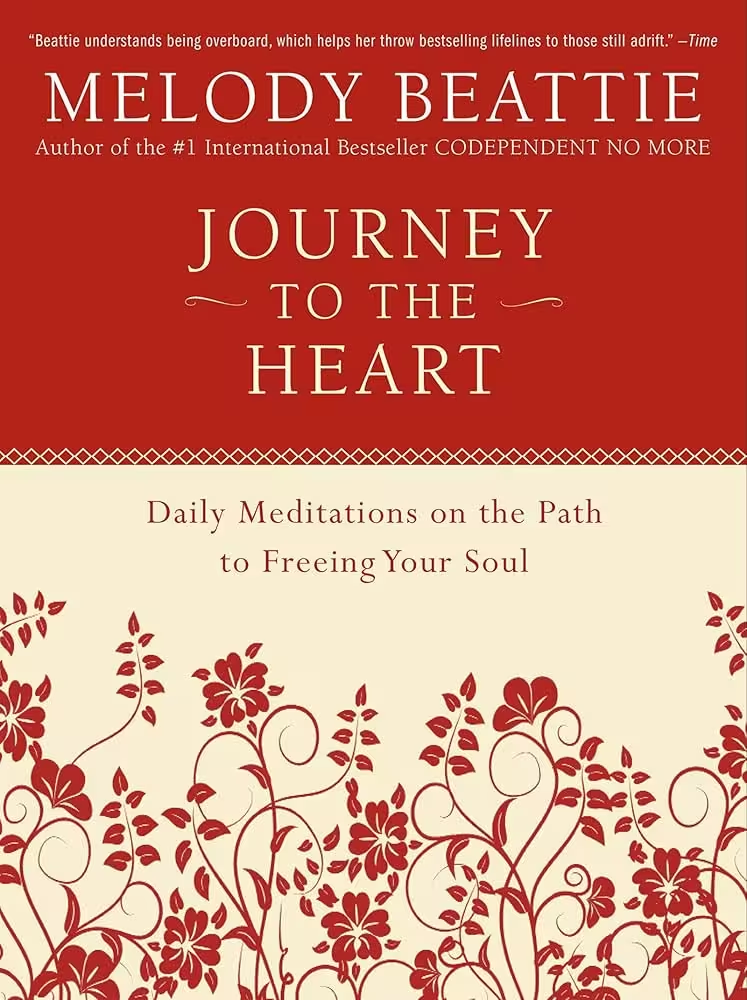
Journey to the Heart is the kind of book that invites slow reading. The entries are short, but they usually leave something behind - a question, a feeling, a shift in perspective. It is less about learning a technique and more about checking in with yourself before the day gets noisy.
What gives the book its daily-use value is the way it opens space for reflection. Some pages can become journal prompts. Others might simply give a sentence to sit with during meditation. It works especially well for readers who want their practice to include emotional honesty, not just calm breathing or positive thinking.
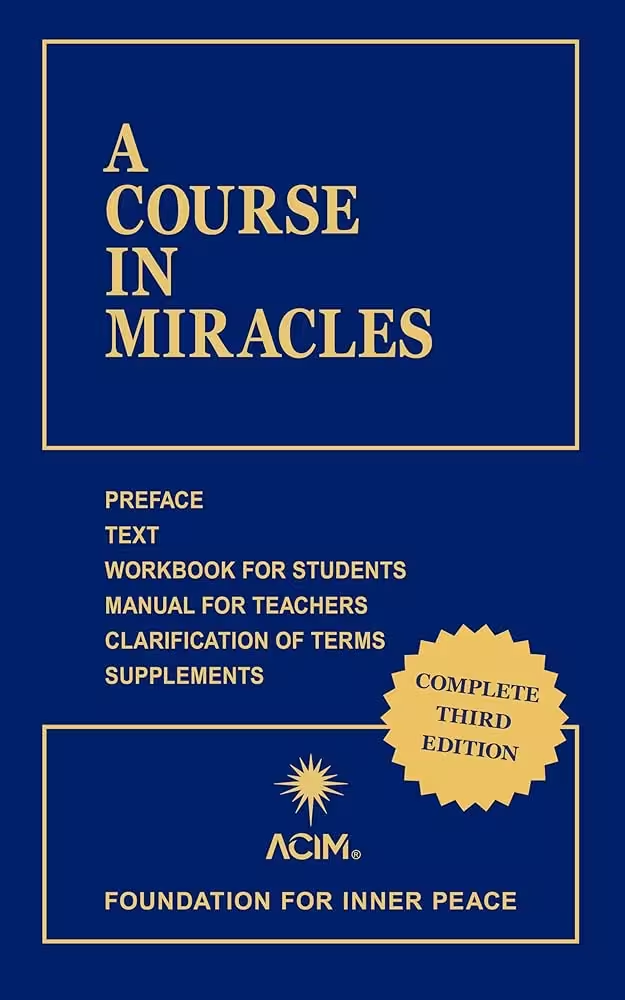
A Course in Miracles is much more structured than most daily meditation books. It includes lessons designed to be followed over time, with a focus on perception, fear, forgiveness, and changing the way the mind understands experience. The language is spiritual and uses words like God and Jesus, so readers should know that before starting.
This is not a light bedside book to skim for a pretty quote. It asks for attention, patience, and a willingness to sit with ideas that may feel strange at first. For the right reader, though, that daily lesson format can be powerful because it gives practice a clear rhythm. Read the lesson, reflect on it, maybe journal a little, then let it echo through the day.
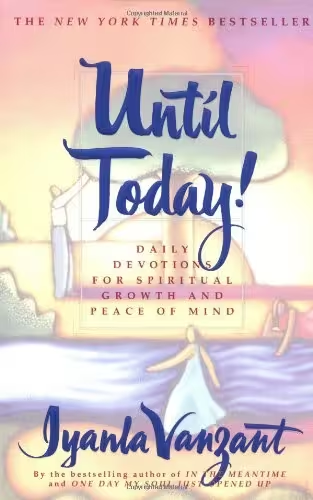
Until Today has a direct, affirming style. The readings focus on spiritual growth, emotional awareness, and the small inner shifts that can change how a person moves through the day. It is not quiet in the same way as some Buddhist meditation books. It speaks more plainly, sometimes almost like a trusted person giving you a needed reminder.
For daily use, it works best when someone wants one clear message rather than a long teaching. A reader might open it in the morning, read the entry, and use the affirmation as a kind of anchor. It can feel especially helpful during seasons when a person is trying to rebuild confidence, boundaries, or self-trust.

The Book of Awakening feels like a true daily meditation book. Mark Nepo writes about presence, struggle, love, loss, and meaning in a way that is thoughtful without being overly polished. The entries are short enough for daily reading, but they do not feel thin.
Many readers use it in the morning because each page gives something to sit with. Not a command, not a checklist - more like a quiet thought placed in the hand. The book is especially good for people who want reflection with some depth, but still need it to fit into real life before work, school, family, or whatever else the day is already asking.
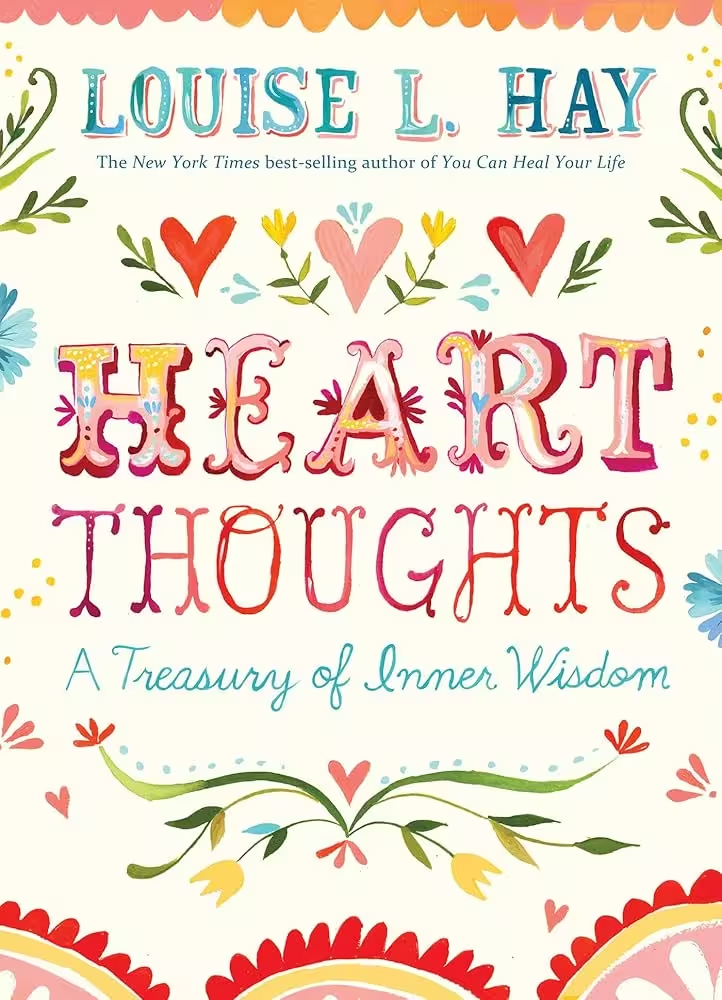
Heart Thoughts is gentle, affirming, and easy to return to in small pieces. It is organized around topics rather than dated entries, so readers can open to what they need that day. The format usually gives a thought, an affirmation, or a short message that can be used for reflection.
It is not trying to teach meditation in a formal way. The value is more emotional than technical. Someone who wants a softer inner voice, a calmer morning, or a kind sentence to repeat during practice may find it useful. It also works well for people who like affirmation-based reading but do not want long chapters.
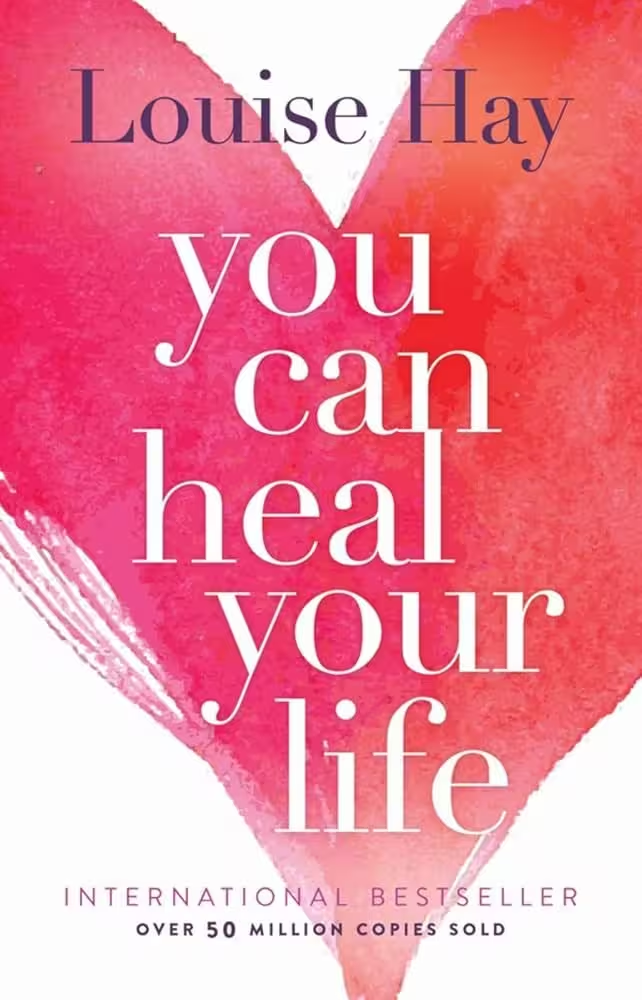
You Can Heal Your Life, especially when paired with the workbook, is more active than a typical daily meditation book. It asks the reader to look at thoughts, beliefs, patterns, and the way old ideas may still be shaping daily life. The book itself can be read slowly, while the workbook turns that reading into something more personal.
This is not the kind of daily routine where you read one page and move on untouched. Some exercises may bring up real feelings, so it is better approached gently. A few pages at a time, with room to write and breathe, makes more sense than rushing through it. For readers who like inner work with prompts, it can become a steady self-reflection practice.

How to Meditate is a practical guide for people who want to understand what meditation actually involves. Pema Chödrön writes with clarity and patience, explaining how to sit, work with thoughts, meet emotions, and keep returning without making the whole process feel like a performance.
This book is not arranged as daily reflections, but it can still support a daily routine very well. A reader can take one section, practice with it for a few days, then come back for the next piece. It suits people who want guidance that feels calm, human, and honest about how messy the mind can be.
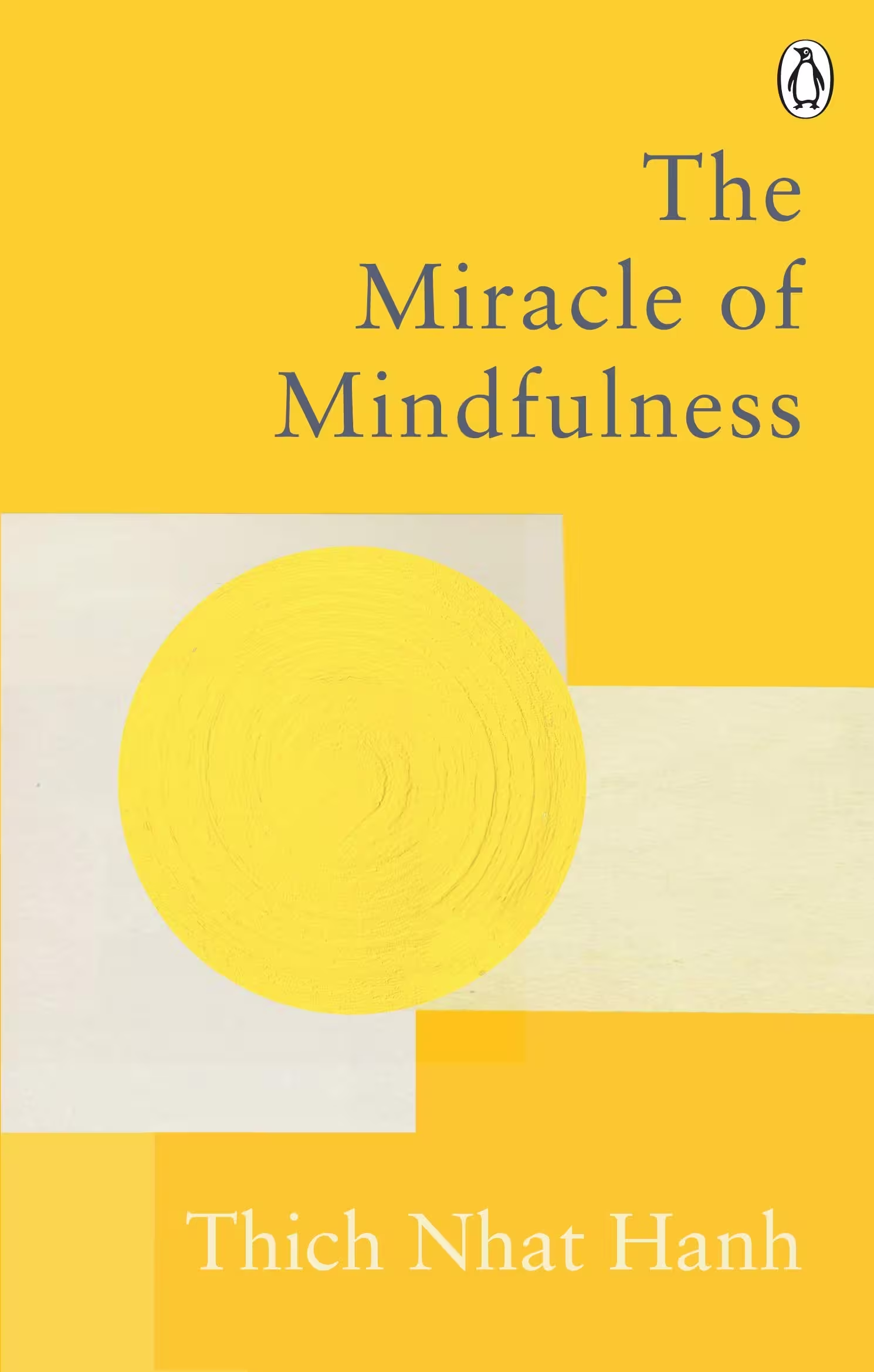
The Miracle of Mindfulness brings meditation into ordinary life. Thich Nhat Hanh writes about washing dishes, walking, breathing, eating, and paying attention to what is already here. The book is simple, but not shallow. Its quiet power comes from how gently it reminds the reader to stop rushing past the present moment.
A daily routine with this book does not need to be complicated. Read a short section, choose one ordinary activity, and try to do it with more awareness. That is the heart of it. For people who struggle with formal sitting practice, this book can make mindfulness feel less distant and more usable.
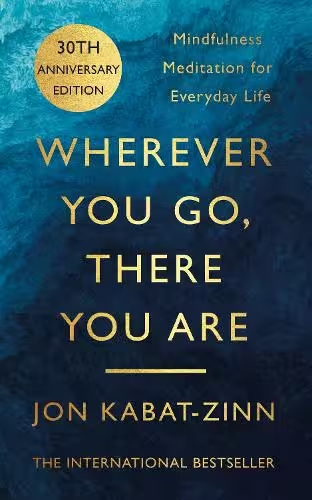
Wherever You Go, There You Are is practical without feeling dry. Jon Kabat-Zinn writes about attention, presence, stress, and the habit of meeting life as it is. The book does not require the reader to adopt a spiritual identity or learn a complicated system.
Because the sections are easy to read in pieces, it works well as a daily meditation companion. One passage can be enough for a morning pause. The tone is steady and clear, which makes it useful for people who want mindfulness explained in ordinary language, without too much decoration around it.
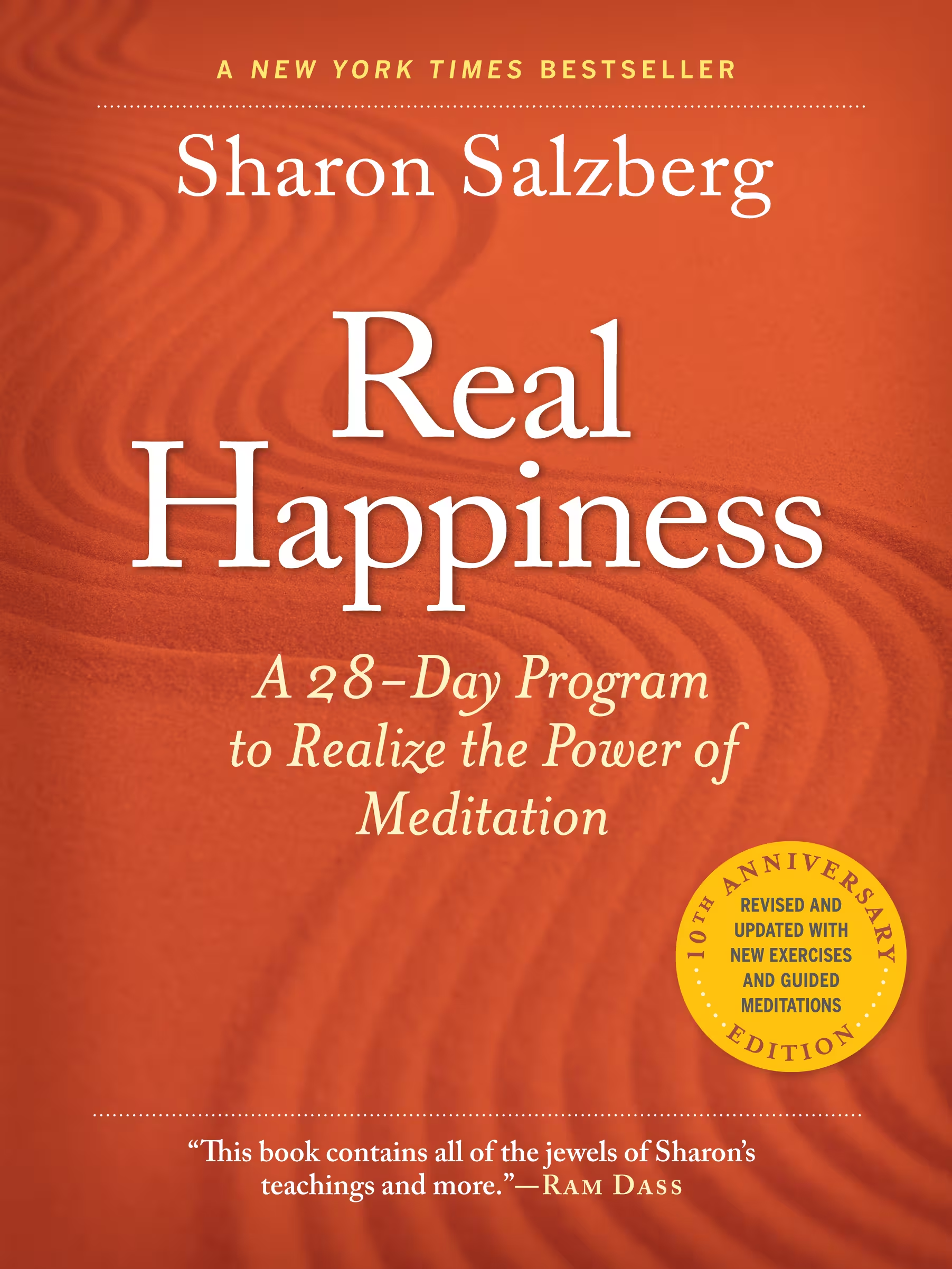
Real Happiness gives readers a structured way into meditation. Sharon Salzberg explains the practice in a way that feels friendly and doable, then offers exercises that help build the habit over time. It is less about reading beautiful thoughts and more about actually practicing.
That structure can be helpful for someone who keeps meaning to meditate but never quite gets started. The book gives enough direction to remove some of the guesswork. Mindfulness, walking meditation, and other practices are introduced in a way that feels clear, not overwhelming.
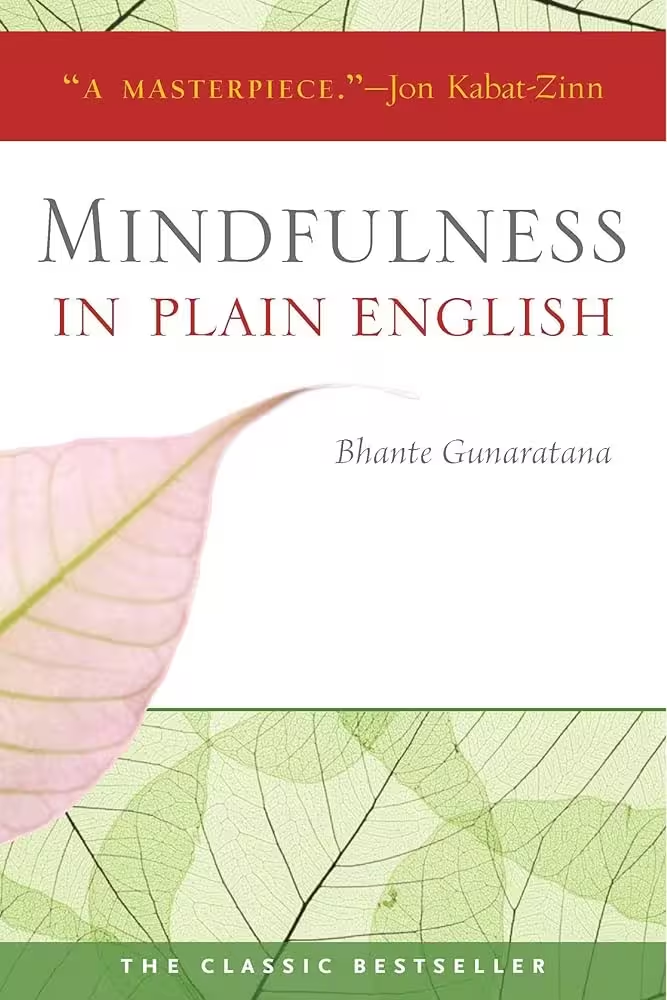
Mindfulness in Plain English does exactly what the title suggests. It explains meditation in direct, plain language and does not spend much time trying to sound pretty. For readers who get tired of vague wellness phrases, that can feel refreshing.
The book is especially useful when practice starts to feel frustrating. Wandering thoughts, restlessness, boredom, doubt - it talks about these things as normal parts of meditation, not signs that someone is doing it wrong. It may not feel like a soft daily reflection book, but it can become a reliable guide for someone trying to understand the mind more clearly.
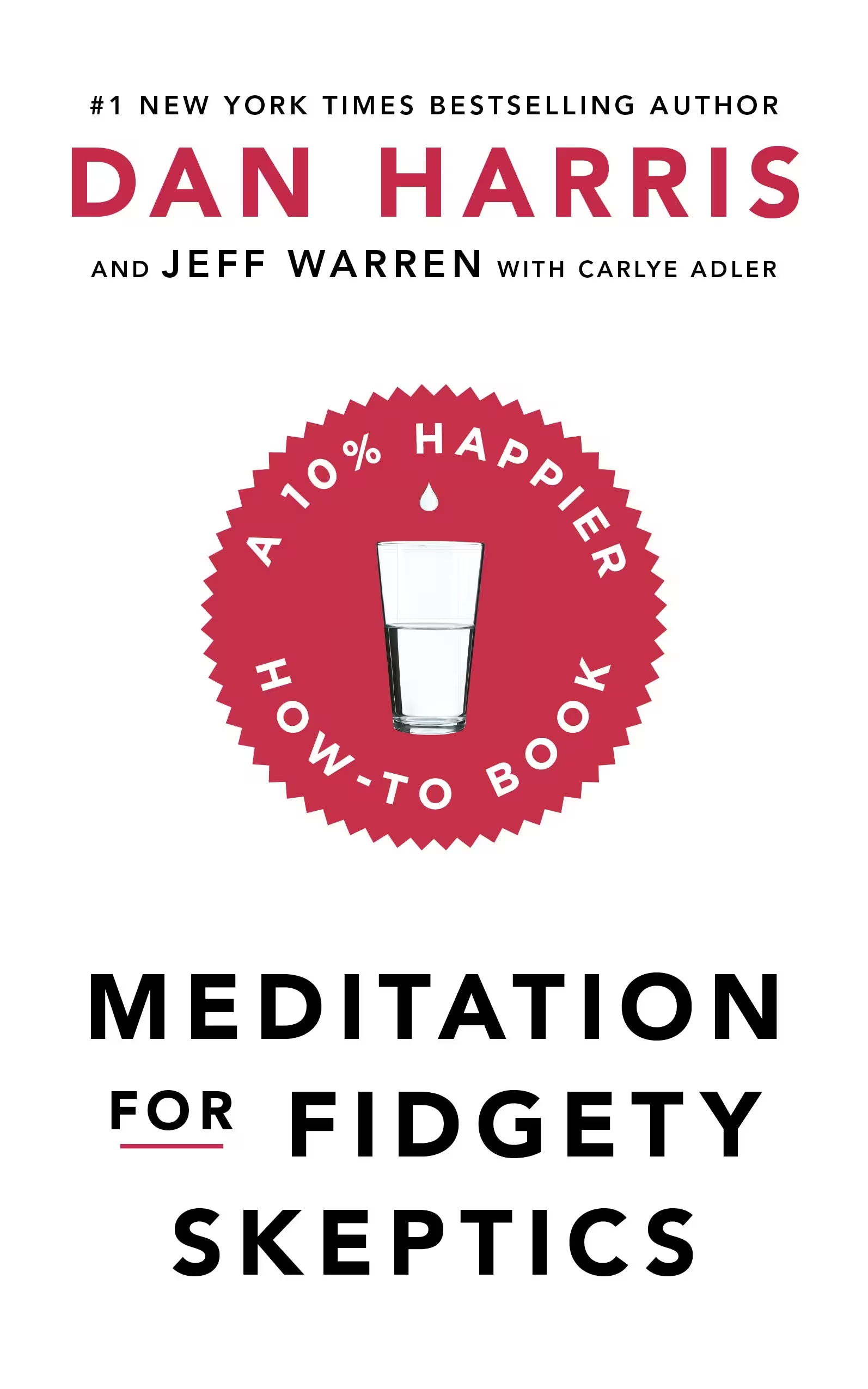
Meditation for Fidgety Skeptics is written for people who do not naturally picture themselves meditating. It understands distraction, impatience, doubt, and the feeling of being too busy to sit still. The tone is casual and practical, which makes the book easier to approach than many traditional meditation guides.
A reader can use it as a daily nudge rather than a formal spiritual text. It lowers the pressure around meditation and makes the practice feel more normal, more human. That can matter a lot for someone who has tried meditation once, felt awkward, and decided they were bad at it.
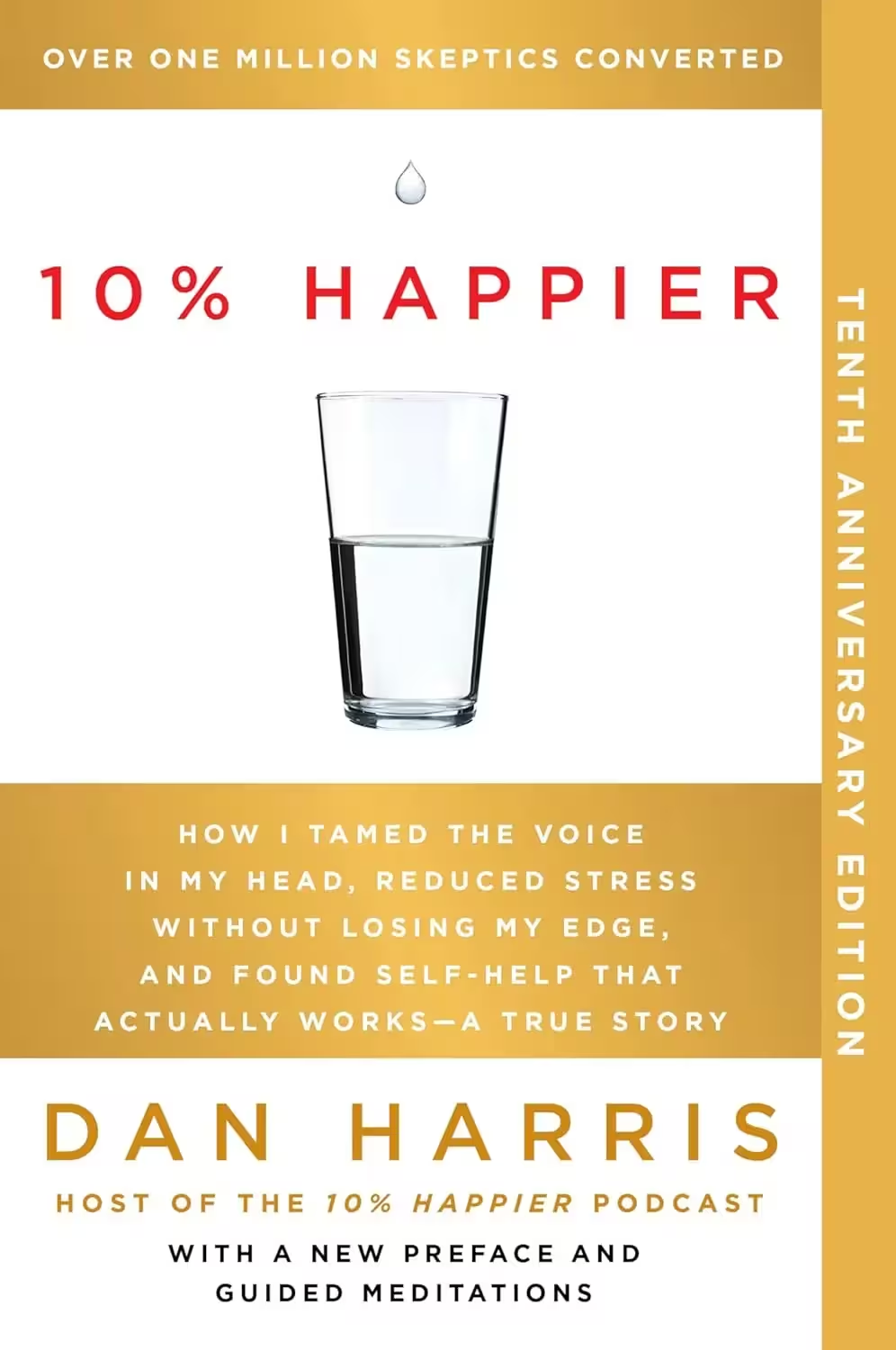
10% Happier is not a daily meditation book in the classic sense, but it can help people finally understand why meditation might be worth trying. Dan Harris tells the story from a skeptical, high-pressure, real-world perspective, which makes the practice feel less abstract.
For readers who roll their eyes at self-help language, this book may feel more accessible. It does not ask them to become a completely different person. It simply shows how small meditation habits can help someone relate differently to stress, thoughts, and ambition. That story-based approach can be the thing that gets a daily practice started.
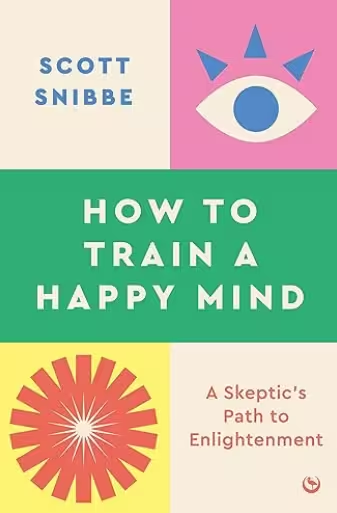
How to Train a Happy Mind focuses on analytical meditation, which gives the mind something active to work with. Instead of only watching the breath, readers reflect on qualities like compassion, patience, gratitude, joy, and openness. That can be useful for people who feel lost in silent practice.
The book has a clear step-based structure, but the tone is meant for modern readers rather than scholars. It bridges Buddhist ideas and practical daily life in a way that feels organized without becoming too stiff. Someone could read a section, practice with the idea, then return to it throughout the week.
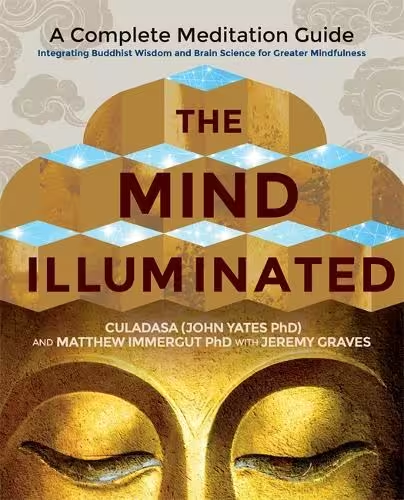
The Mind Illuminated is for readers who want detail. It combines Buddhist meditation training with a more system-based explanation of attention, awareness, and stages of practice. It is not the easiest book on the list, and it is probably too much for someone who only wants a gentle morning reflection.
Used slowly, though, it can be a serious support for daily meditation. A reader can study one part, practice with it, and come back when the next stage feels relevant. It is better treated like a manual than a book to read straight through in one sitting.
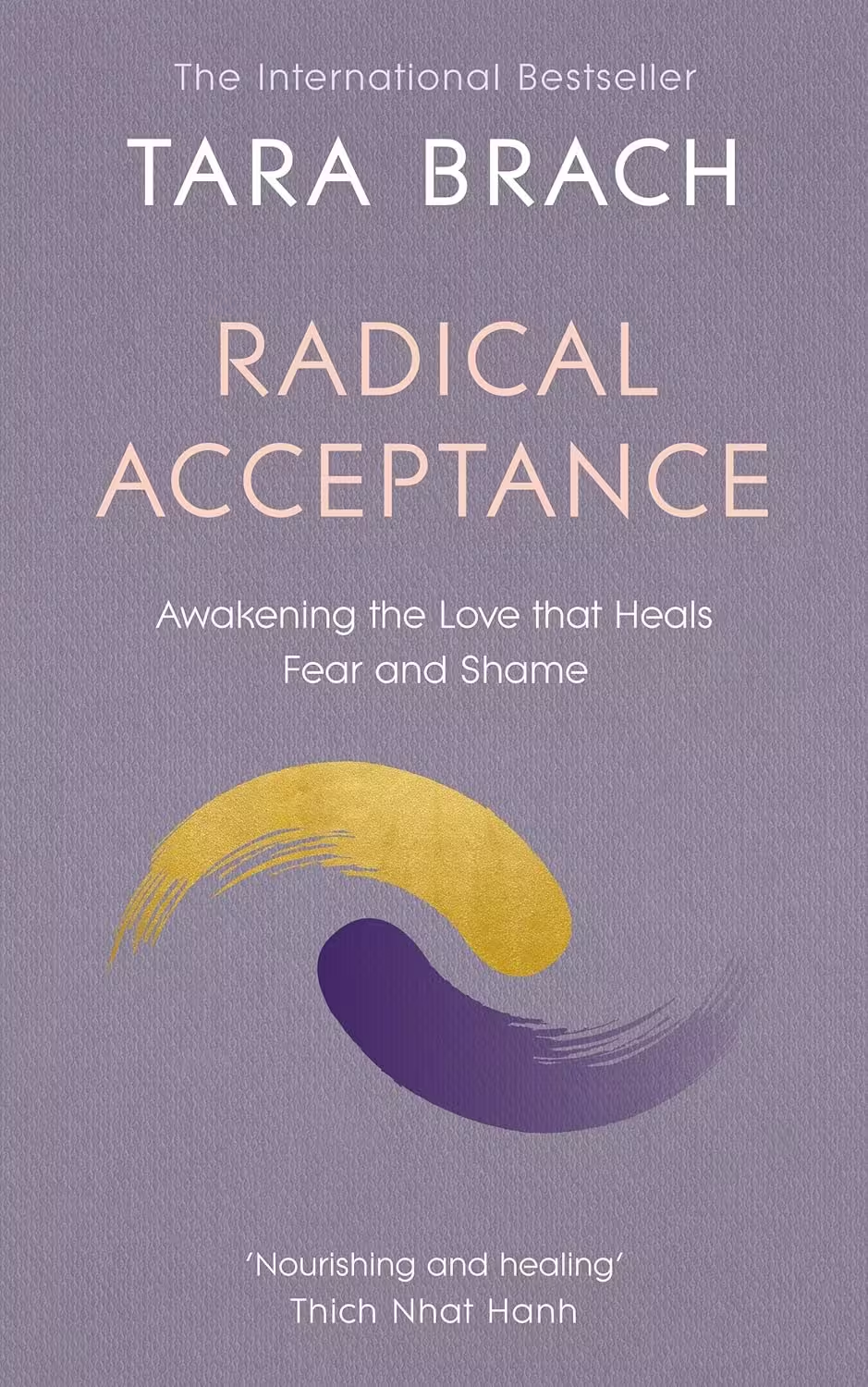
Radical Acceptance speaks to the part of meditation that is not just about calm, but about how people meet themselves. Tara Brach writes about fear, shame, self-judgment, and the way mindfulness can soften the constant feeling of not being enough. The book feels compassionate, but not flimsy.
This is a strong choice for readers who want meditation to connect with emotional healing and self-acceptance. It can be read slowly, one section at a time, with space afterward to journal or sit quietly. Some books give instructions. This one gives language for the inner struggle many people bring to practice.

When Things Fall Apart is a book for moments when life does not feel neat. Pema Chödrön writes about fear, uncertainty, loss, discomfort, and the instinct to escape what hurts. The tone is compassionate, but it does not smooth everything over with easy comfort.
Reading this daily can feel grounding during difficult seasons. A short passage gives the reader something honest to sit with, even when the day is not going well. It is not a book that promises constant peace. It is more about learning how to stay present when things are shaky.
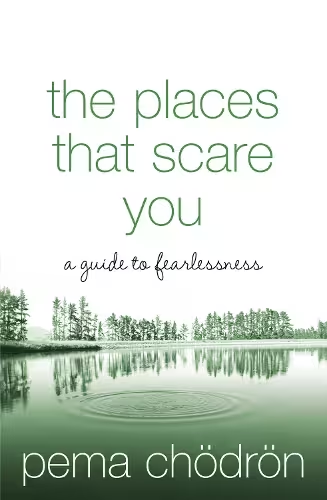
The Places That Scare You moves into fear, courage, compassion, and emotional openness. It is not a light daily inspiration book, but it offers material that can stay with a reader for a long time. Pema Chödrön’s writing has a way of making difficult inner work feel possible without pretending it is easy.
For daily practice, this book is best taken in small pieces. One passage might be enough for a full morning reflection. It suits readers who want meditation to build steadiness, kindness, and the ability to stay open even when life feels uncomfortable.
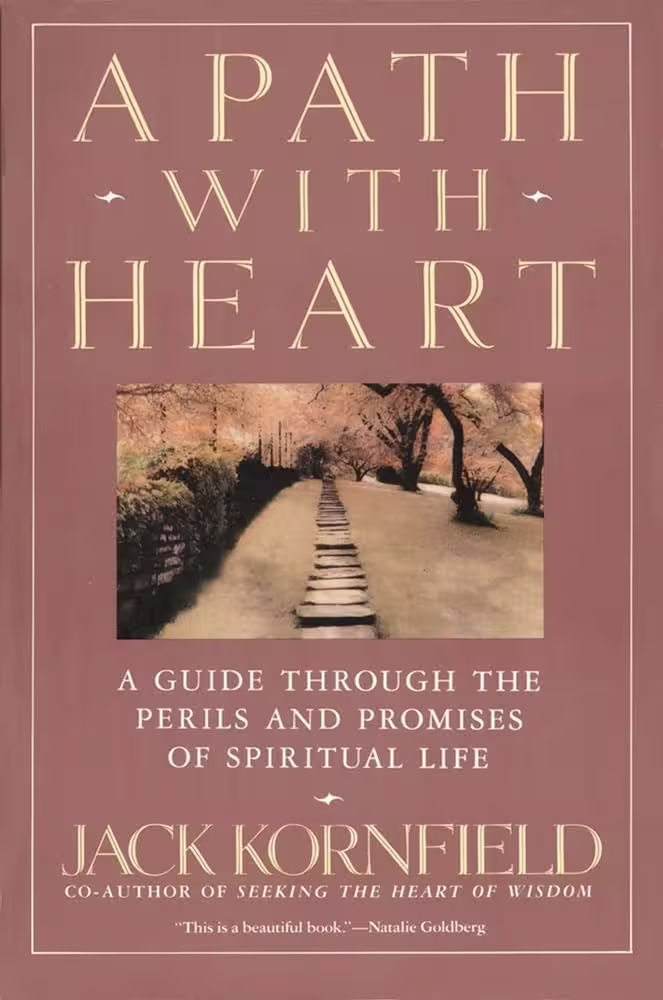
A Path with Heart is broad, generous, and very human. Jack Kornfield writes about meditation, spiritual life, compassion, awareness, and the messy parts of practice that people do not always talk about. It does not make the path sound perfect, which is part of why it feels trustworthy.
This is more of a long-term companion than a quick daily reader. Still, it can fit beautifully into a daily routine if someone reads a few pages at a time. The book has enough depth for experienced meditators, but the tone remains warm enough for readers who are still finding their way.
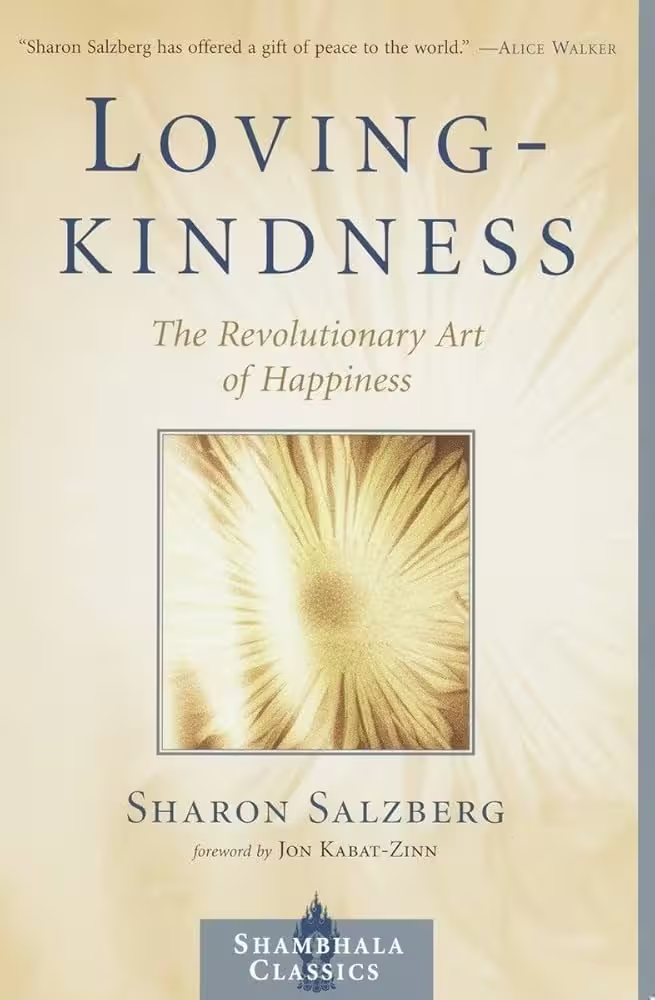
Lovingkindness is centered on metta practice, which means cultivating goodwill toward oneself and others. Sharon Salzberg writes about meditation as a way to soften the heart, not just quiet the mind. The book brings attention to care, connection, forgiveness, and the small ways people can practice kindness inwardly and outwardly.
This can be a good daily book for anyone who wants their meditation practice to feel warmer. A short reading can be followed by lovingkindness phrases, quiet sitting, or journaling. It is especially useful for readers who tend to be hard on themselves and want a practice that slowly changes that inner tone.
The best daily meditation book is the one you can actually return to, even on ordinary days when nothing feels especially calm or inspired. Some readers need a short reflection in the morning. Others do better with a practical guide, a few lines before bed, or a book that gives them something honest to think about during a hard season.
A good daily book does not have to be dramatic. It can be simple - one page, one question, one idea that follows you into the day. Books like The Book of Awakening, Simple Abundance, or Journey to the Heart work well for gentle reflection, while Real Happiness, How to Meditate, and Mindfulness in Plain English are better for building an actual meditation habit.
The main thing is to choose a book that matches the way you practice. If you like structure, pick something with lessons or exercises. If you need comfort, choose a softer reflective book. If you want depth, go for a teacher whose words make you pause for a second longer than usual.
Daily reading is not a replacement for meditation, but it can open the door. Sometimes that small page is enough to make you sit down, breathe, and remember where you are.
I canceled my subscription with Headspace and I now pay for Mesmerize instead. I was hooked after the free trial! I love how customizable the sounds, meditations, and visuals are! Using this app has honestly become my favorite part of my day! ☺️ It helps me relax, meditate, visualize, sleep, and it does wonders for my anxiety/phobia/ocd tendencies. Thank you Mesmerize for giving us this amazing mental health tool! I told my therapist about this app and have been telling all my friends too. It’s just so helpful!
This is the second or third app in the mindfulness and meditation realm, and it’s the most scientific approach I have found. I have found these combinations of open monitoring, and focused attention meditation techniques are the most viable for those suffering from more severe forms of sleep, pain, and anxiety dysfunction one may be suffering from. Many of these approaches are used by professionals in a cognitive behavioral therapy setting. A truly complete approach in mindfulness and meditation.
I suffer from clinical depression and sometimes I get into a bad headspace but this app has really helped me whenever I’m in a bad mood I turn on the app listen to some person taking about breathing and look at cool figures on my phone and it makes me feel so much better I would highly recommend this app it’s worth the money
It didn’t take but five minutes of using this app to buy a yearly subscription. Worth it on so many levels. Easy to manipulate to what I like. Massive library of music, videos, etc.
Clear your mind and relax with a unique audio visual meditation experience.


.jpeg)