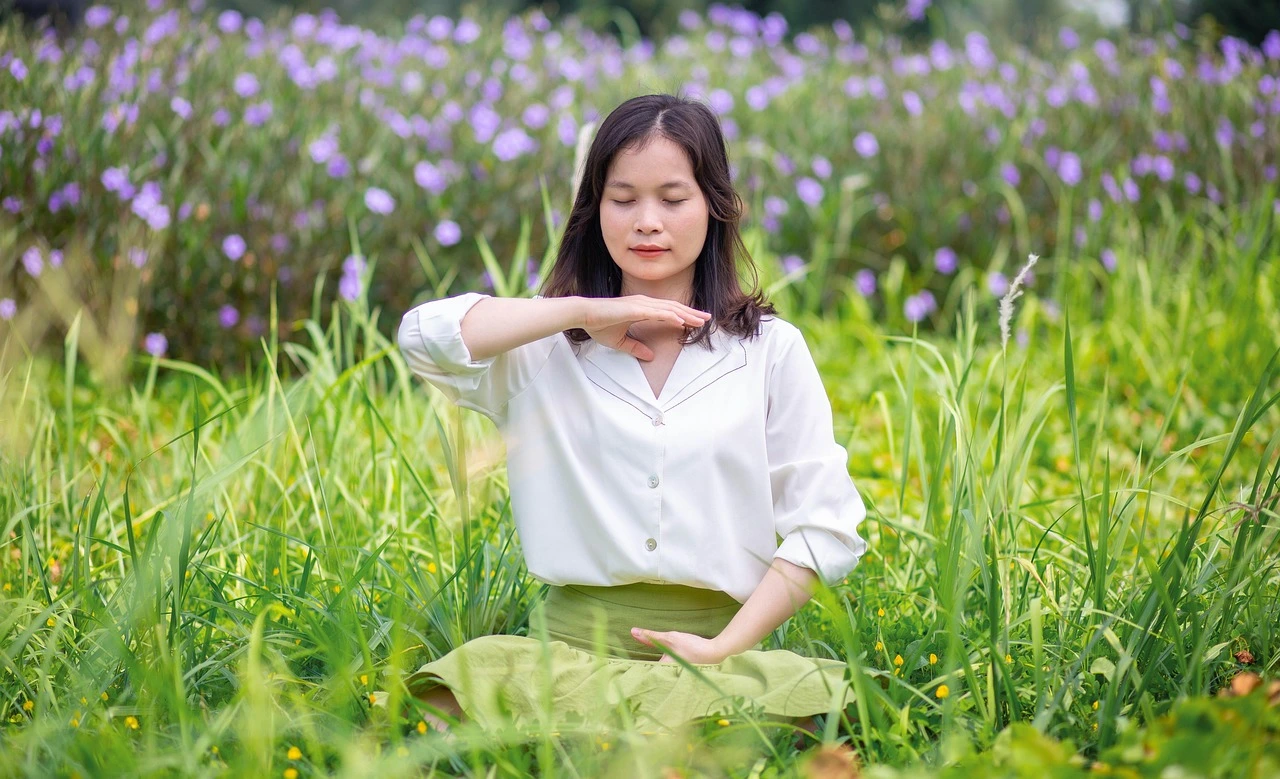
A simple guide to choosing essential oils for meditation, from grounding scents to softer blends that help create a calmer practice space.
.webp)
Scent can change the mood of a room faster than people expect. One drop in a diffuser, and the space feels less like a regular corner of the house and more like somewhere the mind can slow down a little. Essential oils are not a shortcut to deep meditation, of course, but they can help mark the shift from everyday noise into a quieter state.
Some oils feel grounding, like sandalwood, cedarwood, or frankincense. Others, like lavender or bergamot, lean softer and more relaxing. Peppermint and eucalyptus can feel clearer and more awake, which may suit morning practice or breath-focused sessions. The “best” essential oil for meditation really depends on what the body and mind need that day.
For some people, scent becomes part of the ritual. Put the phone away, dim the light, start the diffuser, sit down. Small steps like that matter. They tell the nervous system, in a gentle way, that it is time to stop rushing and stay with the breath for a while.

Mesmerize gives meditation a clear point of focus through calming visuals, guided sessions, soundscapes, relaxing narrations, and visual breathing. It is useful for people who find silent meditation hard to stay with, or who prefer something gentle to follow instead of just closing their eyes and hoping the mind settles.
Users can choose quick presets, adjust breathing patterns, listen to the sounds of nature or white noise, play focus music, download sessions for offline use, and set a sleep timer for evening practice. The app also includes sleep stories, affirmations, hypnosis content, and Apple Health integration for tracking mindful minutes.
With Mesmerize, users can:
Download Mesmerize and make meditation easier to start.

Frankincense has the kind of scent that suits meditation almost immediately. Warm, resinous, and slightly earthy, it gives the room a slower feeling without making it heavy. People often connect it with prayer, stillness, and ritual, but it does not need to feel formal. Even in a simple diffuser blend, it can help create a clear pause before practice begins.
For someone whose mind takes a while to settle, this oil can work like a quiet anchor. It is present enough to notice, but not so sharp that it becomes the main focus. It also blends easily with sandalwood, cedarwood, lavender, bergamot, and patchouli, so it can sit at the center of both grounding and softer meditation blends.

Sandalwood feels calm in a very quiet way. Its scent is woody, smooth, and a little creamy, with none of the sharpness that some fresh oils have. That makes it useful for longer sessions, especially when the goal is to stay with the breath or repeat a mantra without being pulled around by the scent.
A few drops can make a meditation space feel warmer and more settled. Sandalwood is also a helpful base note because it smooths out brighter oils like bergamot or stronger ones like patchouli. It does not try to wake the mind up or push it toward sleep. It sits somewhere in the middle, steady and easy to return to.
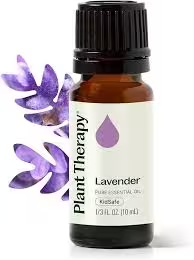
Lavender is a familiar choice, and that is part of its appeal. The scent is soft, floral, and easy to understand, so it does not make meditation feel like another thing to figure out. For people who are new to essential oils, lavender can be a simple first step into using scent as part of a routine.
It fits especially well into evening practice or any session that comes after a busy, overstimulating day. Used lightly, lavender can make the room feel softer and less rushed. It also works well with cedarwood, chamomile, bergamot, and frankincense, which helps if plain lavender feels too simple on its own.

Patchouli is not a shy scent. It is deep, earthy, musky, and sometimes a little divisive. Some people find it grounding right away, while others prefer it only in small amounts. For meditation, that strong earthiness can be helpful when the mind feels floaty or scattered.
Used carefully, patchouli can bring attention back to the body. It suits body scans, mindfulness practice, or sessions where the goal is to feel more rooted in the present moment. Blending it with bergamot, cedarwood, sandalwood, or frankincense usually makes it easier to sit with, especially in a smaller room.

Clary sage has a sweet herbal scent that feels calm but not flat. There is a softer edge to it, which makes it different from sharper green oils. It can work nicely for meditation when the session is tied to reflection, emotional reset, or a slower evening routine.
This is not the kind of oil that disappears completely into the background. It has its own character, so it is better with a few thoughtful pairings rather than a crowded blend. Lavender, bergamot, cedarwood, myrrh, and frankincense all work well with it, depending on whether the mood needs to feel lighter or more grounded.

Cedarwood brings a dry, warm wood scent that feels simple and steady. It does not smell fancy or overly perfumed, which can be a good thing during meditation. The scent gives the room a grounded feeling, almost like sitting in a quiet wooden cabin.
Restless days are where cedarwood makes the most sense. It can soften the atmosphere without making the body feel too sleepy. Pair it with lavender for a calmer blend, frankincense for a more meditative one, or patchouli when the practice needs extra grounding. It is a useful base oil because it helps hold the whole blend together.

Hinoki has a clean wood scent with a fresh, slightly citrus-like edge. Compared with cedarwood or patchouli, it feels lighter and more open. It can make a meditation space feel calm without turning the room dark or heavy.
People who like forest scents may enjoy hinoki because it has that quiet outdoor feeling. It works well in simple blends with sandalwood, frankincense, bergamot, or vetiver. For morning or evening practice, hinoki can help create a clear space without making the scent feel like the whole point of the session.

Vetiver is one of the heaviest oils on this list. Its scent is earthy, grassy, smoky, and very rooted. It can feel too strong for casual use, but during meditation it has a clear purpose: helping the body feel more present and grounded.
A little vetiver goes a long way. It is often better blended with cedarwood, bergamot, ylang ylang, sandalwood, or citrus instead of being used on its own. For body scans, slow breathing, or evening stillness, vetiver can add depth to the space without needing much at all.

Palo santo has a warm woody scent with a soft sweet edge. Many people connect it with clearing a space, but the essential oil version is easier to use indoors than smoke. It can help mark the start of meditation in a simple, sensory way.
A small amount in a diffuser can shift the mood of the room without making the practice feel dramatic. Palo santo pairs well with frankincense, cedarwood, sandalwood, lavender, and bergamot. It is especially useful for people who like ritual, but want something low-effort and clean.

Ylang ylang is floral, sweet, and noticeable from the first drop. It does not behave like a quiet background oil, so it needs a lighter hand. Used carefully, it can bring warmth and a more open feeling to meditation, especially when the practice is meant to lift the mood rather than deepen into stillness.
It works best as part of a blend. Vetiver, patchouli, cedarwood, bergamot, and citrus oils can all balance its sweetness. For morning meditation, short resets, or softer emotional practices, ylang ylang can add a bright note without making the room feel sharp.

Roman chamomile has a soft, sweet herbal scent that feels gentle almost right away. It is not an oil that demands attention. That makes it helpful for meditation when the goal is to slow down, soften the day, and stop pushing so hard.
Evening practice is where chamomile fits naturally. It can be blended with lavender, cedarwood, bergamot, neroli, or frankincense for a calmer diffuser mix. The scent is not especially deep or earthy, but it makes the space feel more relaxed and easier to sit in.

Peppermint is more clear than cozy. Its scent is cool, sharp, and awake, so it makes more sense for morning meditation or short focus breaks than for slow evening practice. When the mind feels foggy, peppermint can help the session feel more alert.
Too much can easily become distracting. A small amount blended with eucalyptus, lemon, rosemary, or lavender is usually enough. Peppermint works best when meditation has a focus point, like breath awareness or a short pause during the workday, rather than a long quiet sit before bed.

Jasmine has a rich floral scent that feels warm, full, and a little luxurious. It is stronger than lavender and softer than peppermint, sitting somewhere between uplifting and comforting. For meditation, jasmine can help create a more open mood, especially during morning or daytime practice.
Because the aroma is quite present, it is best used in small amounts. Jasmine can pair beautifully with frankincense, sandalwood, bergamot, lavender, or clary sage. It may not suit someone who wants a barely-there scent, but for people who enjoy deeper florals, it can make practice feel more inviting.

Eucalyptus brings a clean, open scent that naturally draws attention toward breathing. It feels fresh and clear rather than sweet or warm. That makes it useful for breath-focused meditation, especially in the morning or during a midday reset.
The scent can take over if too much is used, so it works best in a light blend. Peppermint, lemon, rosemary, lavender, and cedarwood all pair well with eucalyptus. For people who do not enjoy heavy earthy oils, eucalyptus gives meditation a cleaner, more awake feeling.

Helichrysum is less common than lavender or frankincense, which gives it a more personal feel in a meditation blend. The scent is warm, herbal, and slightly earthy, with enough depth to support a slower practice. It works well when meditation is less about quick relaxation and more about reflection.
Frankincense is one of its natural partners. Together, the two create a quiet, inward blend that suits prayer, stillness, or a long evening sit. Helichrysum may not be the first oil someone buys, but it can add a thoughtful layer once a basic meditation routine is already in place.

Bergamot has a softer citrus scent than lemon or orange. It brings brightness without making the room feel too energetic, which is why it works so well in meditation blends. When heavy oils feel too dark, bergamot can open the scent up a little.
It pairs well with frankincense, sandalwood, cedarwood, lavender, clary sage, and patchouli. For daytime meditation, bergamot can help create a calm but clear mood. It is a nice bridge between fresh and grounded, especially for people who do not want their practice space to feel too sleepy.

Neroli has a delicate floral-citrus scent that feels calm, light, and slightly sweet. It is softer than most citrus oils and less predictable than lavender. For meditation, it can bring a gentle openness to the room without making the scent feel too loud.
This oil works well in relaxing blends with lavender, bergamot, cedarwood, and frankincense. It is better for slow sessions than quick focus breaks. Since neroli has a noticeable character, a small amount is usually enough to soften a blend and make the space feel more settled.

Myrrh is warm, resinous, and deeper than frankincense. It has a grounded quality that feels old, quiet, and inward. For meditation, it can help create a still atmosphere, especially when the session is more reflective than energizing.
It works well with frankincense, sandalwood, cedarwood, clary sage, and bergamot. Myrrh does not need a busy blend around it. Even paired with one or two oils, it can give the room a steady, ritual-like feeling that suits slow breathing or silent sitting.

Black spruce has a fresh evergreen scent, like a clean breath of forest air. It feels grounding, but not thick or heavy. That makes it a good choice when meditation needs steadiness, but the room still needs to feel open.
It blends nicely with frankincense, lavender, cedarwood, and citrus oils. Black spruce can work well before work, study, or an afternoon sit when the body is tired but the mind still needs to stay clear. It has enough presence to shape the mood without making the practice feel sleepy.

Deep Breath has a brighter scent profile built around oils like lemon, peppermint, eucalyptus, and rosemary. It is not a slow, heavy meditation blend. Instead, it works better when the practice is centered on breathing, focus, or a quick reset during the day.
A blend like this needs to be used lightly because the fresh notes are strong. In the right amount, it can make the space feel clear and awake. It suits shorter sessions, morning meditation, or moments when sitting still feels easier with a clean scent to follow.
The best essential oil for meditation is the one that helps the room feel easier to settle into. For some people, that might be frankincense or sandalwood - warm, quiet, and traditional. For others, lavender, chamomile, or neroli may feel better because they soften the mood without asking for too much attention. Morning practice might even call for something clearer, like peppermint, eucalyptus, bergamot, or black spruce.
Scent is personal, so there is no need to treat one oil as the “right” choice. A grounding oil can feel perfect one day and too heavy the next. A floral scent might feel calming in the evening but distracting during breathwork. It is worth starting with one or two oils, using them lightly, and noticing how the body responds.
A diffuser, roll-on, or simple room spray can turn scent into a small ritual before meditation. Not a big production - just a quiet signal that it is time to pause, breathe, and let the day loosen its grip a little. That is usually enough.
I canceled my subscription with Headspace and I now pay for Mesmerize instead. I was hooked after the free trial! I love how customizable the sounds, meditations, and visuals are! Using this app has honestly become my favorite part of my day! ☺️ It helps me relax, meditate, visualize, sleep, and it does wonders for my anxiety/phobia/ocd tendencies. Thank you Mesmerize for giving us this amazing mental health tool! I told my therapist about this app and have been telling all my friends too. It’s just so helpful!
This is the second or third app in the mindfulness and meditation realm, and it’s the most scientific approach I have found. I have found these combinations of open monitoring, and focused attention meditation techniques are the most viable for those suffering from more severe forms of sleep, pain, and anxiety dysfunction one may be suffering from. Many of these approaches are used by professionals in a cognitive behavioral therapy setting. A truly complete approach in mindfulness and meditation.
I suffer from clinical depression and sometimes I get into a bad headspace but this app has really helped me whenever I’m in a bad mood I turn on the app listen to some person taking about breathing and look at cool figures on my phone and it makes me feel so much better I would highly recommend this app it’s worth the money
It didn’t take but five minutes of using this app to buy a yearly subscription. Worth it on so many levels. Easy to manipulate to what I like. Massive library of music, videos, etc.
Clear your mind and relax with a unique audio visual meditation experience.


.jpeg)