A practical look at meditation cushions that support your back and make sitting feel easier and more natural.
.webp)
Back pain during meditation is incredibly common – and incredibly frustrating. Just when you’re trying to settle in and focus on your breath, a dull ache or tightness in your lower back pulls your attention away.
A good meditation cushion can make a real difference by lifting your hips slightly and supporting a more natural spine position. It’s not magic, but the right one helps you sit longer with less discomfort, so you can actually stay present instead of constantly adjusting.

Mesmerize is built around guided sessions that combine voice, sound, and slow visuals that helps you stay with the meditative practice, so you’re not left sitting in silence wondering if you’re doing it right.
To avoid forcing concentration, the app gives you something steady to follow - breath cues, visual patterns, simple narration. That usually makes it easier to settle into a rhythm and stay there for a few minutes without drifting or getting tense. Over time, that consistency matters more than technique.
Start small and pay attention to how your body and mind respond:
Open Mesmerize and try a short session to see if it helps you stay present more easily.
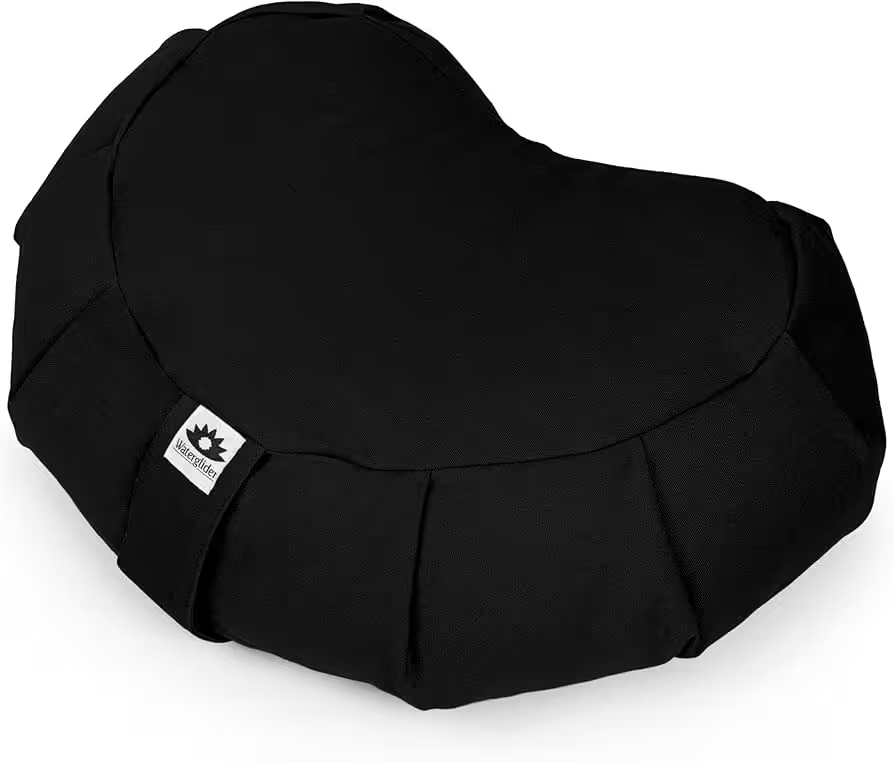
At first glance, the Waterglider Zafu looks pretty basic - just a round cushion with a handle. But after sitting on it for 10–15 minutes, you start to understand why people like it. The buckwheat hulls hold their shape well and give you a stable lift that prevents your back from rounding forward.
There’s a bit of a break-in period. Early on, the firmness can feel almost too direct, especially if you’re used to softer seating. But once the hulls settle and you adjust the fill to your liking, it becomes more of a steady base than something you notice. It’s the kind of cushion you stop thinking about once you’re sitting.
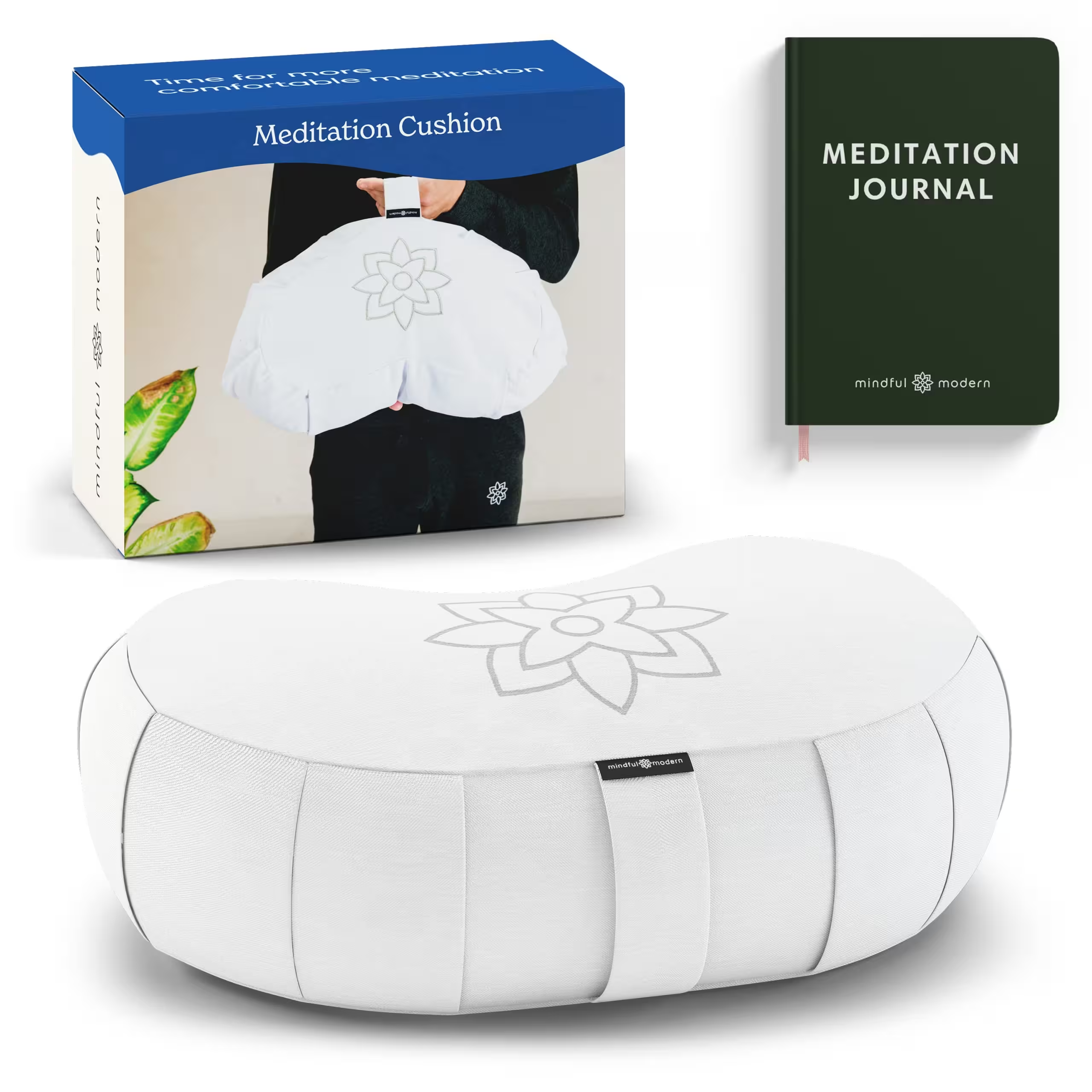
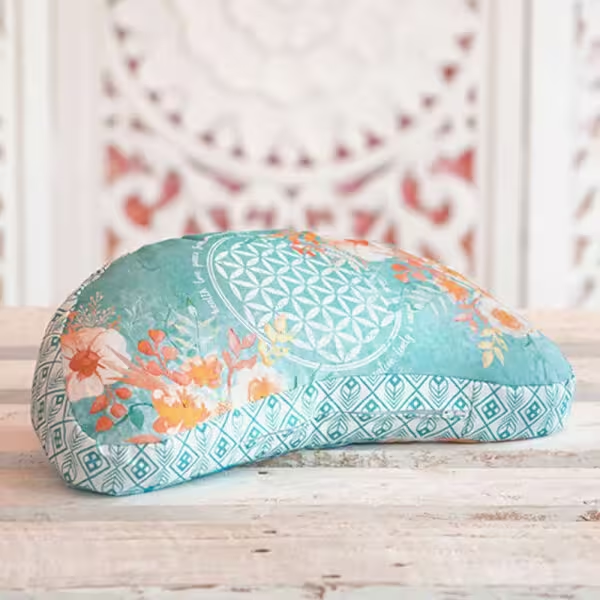
The crescent shape changes things more than expected. Instead of sitting on a full circle, there’s space carved out for your legs, which lets your feet come in closer without feeling cramped. That small shift tends to ease tension in the hips, and when the hips relax, the lower back usually follows.
It still uses buckwheat inside, so the support is on the firmer side, but the overall feel is lighter than some dense zafus. During longer sits, the cushion does its job, though it doesn’t completely take over posture for you. There’s still a bit of awareness needed to stay upright, especially if your back tends to round.
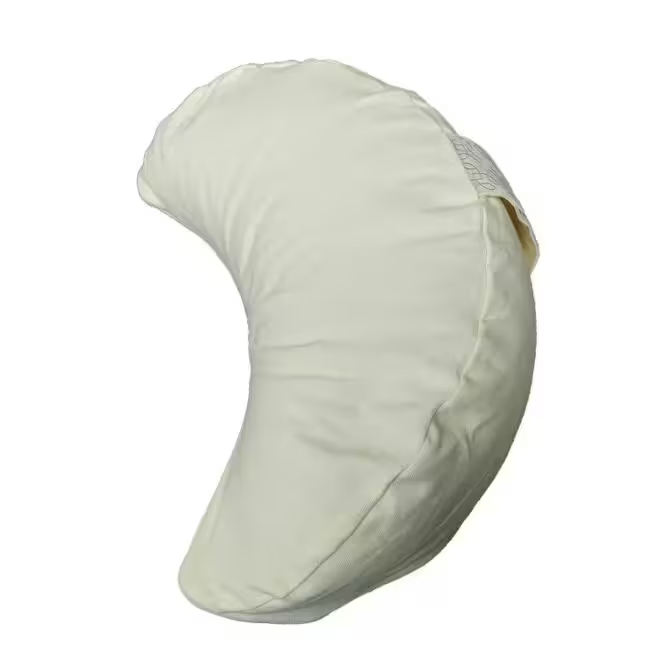
This one sits somewhere in between structured and flexible. The buckwheat filling isn’t packed as tightly, so the cushion has a bit more give. Unlike placing on a fixed shape, it adjusts slightly under your weight, which makes it easier to find a position that feels natural.
The crescent form again helps open up space for the legs, and that tends to reduce pressure that creeps up into the lower back. This type of support is not the most rigid out there, but it doesn’t collapse either. More like a cushion that meets you halfway instead of forcing a position.
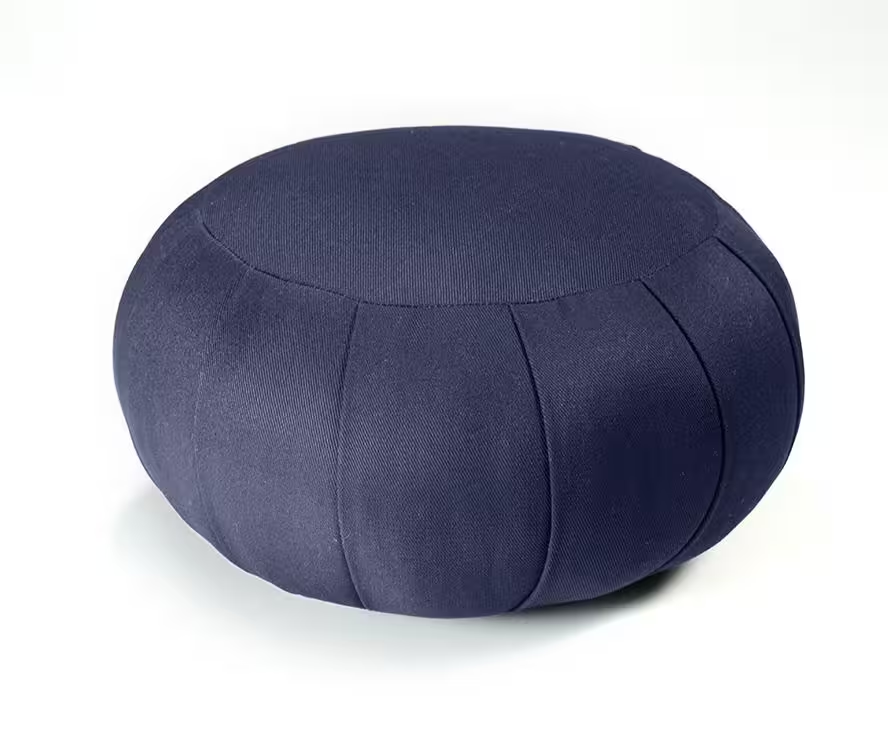
Switching from buckwheat to kapok changes the whole experience. Rather than dealing with something firm, you get a softer, slightly springy surface that compresses under weight. That can take pressure off the hips and tailbone pretty quickly, which is often where discomfort starts.
At the same time, it doesn’t push you into position the way a firmer cushion does. Posture still improves compared to sitting flat on the floor, but it relies more on how you sit rather than the cushion holding everything in place. Over time, the filling can settle a bit, though it usually keeps enough shape to stay usable.
The wedge shape does something very specific - it tilts the pelvis forward. That tilt helps the spine fall into a more natural curve without much effort. No need to actively try to “sit straight” - the position happens more on its own, which can take some pressure off the lower back.
Side supports add a bit of stability for the thighs, which can help delay that familiar numbness in the legs. The lift isn’t very high, though, so it might not be enough for everyone. It also leans a bit heavier and firmer compared to simpler cushions, especially in buckwheat versions.
This one stays close to the traditional approach - round shape, buckwheat filling, and a fairly firm feel overall. Sitting on it, the height and density do most of the work. Hips stay lifted, and the spine doesn’t have to fight to stay upright, which makes a difference once the session goes past the first few minutes.
Besides, the structure doesn’t change much over time, which is both a benefit and something to get used to. It doesn’t mold deeply to the body, but it also doesn’t flatten out. For people who want something predictable and consistent, that’s usually the point.

A wider, square shape changes how weight is distributed. Instead of sitting on a compact surface, there’s more room to spread out slightly. That can ease pressure on the hips, which often translates into less strain in the lower back.
It still uses buckwheat, so there’s structure underneath, but the overall feel is less rigid compared to tighter zafus. Shifting positions doesn’t feel as disruptive either, which can be useful if sitting still for long periods isn’t realistic yet.
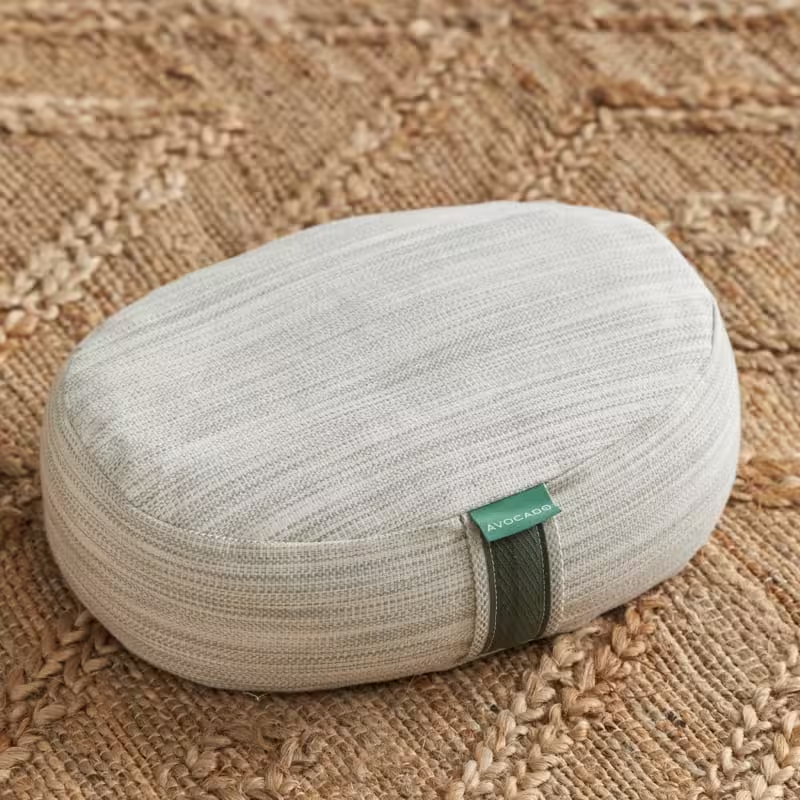
This variant is closer to what most people picture when they think of a meditation cushion. Round, structured, and filled with buckwheat that adapts slightly without losing its shape. Sitting on it feels familiar - not too soft, not overly rigid.
One thing that stands out is the range of heights. That matters more than it seems. A slightly taller cushion can take pressure off the hips and make the lower back feel less strained. A lower one works better if flexibility isn’t an issue.

This one leans softer again, with kapok filling and a lighter overall build. Sitting down, there’s less resistance compared to buckwheat cushions, which can make the first part of a session feel easier on the body.
Because it compresses more, posture isn’t as strongly supported from underneath. That’s not necessarily a drawback - just a different feel. For some, it removes enough pressure to make sitting possible without constant shifting.

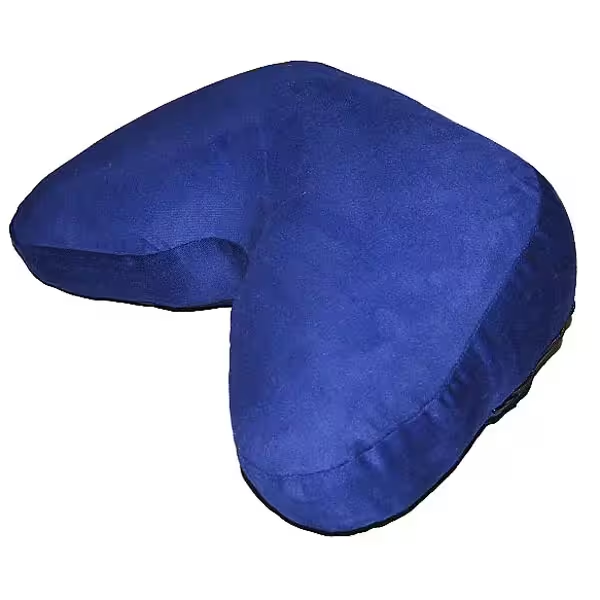
A V-shaped cushion like this shifts support outward toward the thighs instead of keeping everything centered. Sitting on it feels a bit different right away - the legs are supported from underneath, which takes pressure off the hips and can reduce the tension that usually builds up in the lower back.
In addition, the shape also encourages a slight forward tilt without forcing it. It’s not as firm as a tightly packed zafu, but as for its good features, it doesn’t collapse either. The support feels spread out rather than concentrated, which can make longer sits feel less restrictive.
This one leans more into natural materials, but the feel itself is fairly balanced. Depending on the version, the filling can combine buckwheat with kapok, which softens the overall structure a bit without losing support completely.
It sits right in the middle - firmer than a soft pillow but not as hard as some traditional zafus. If you’re not sure whether you prefer firm or soft support, this is a safe place to start.

At first glance, it looks like a design piece, but once you sit on it, the structure is still familiar. Inside, the buckwheat filling gives that same steady lift you’d expect from a zafu, helping the hips stay slightly raised so the lower back doesn’t round as easily.
What changes is the surface feel. The velvet cover softens the contact, which can matter more than expected over time. During longer sessions, small irritations from rougher fabrics can build up, and this avoids that. The support itself stays firm, but the experience feels less harsh on the body.
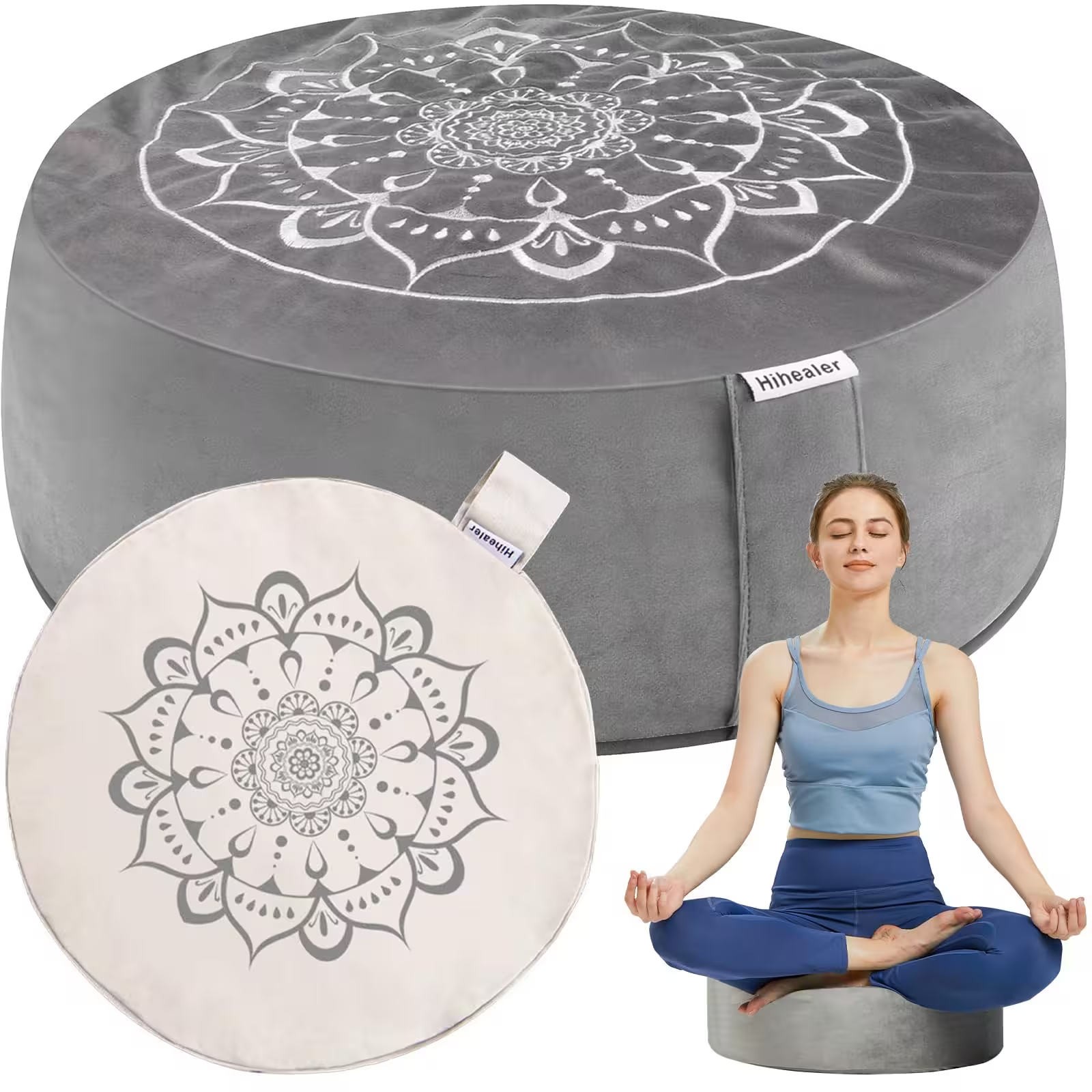
This one feels less compact right away. The surface area is larger, so sitting doesn’t feel as confined as it does on smaller cushions. There’s more room to shift slightly without falling off the “center,” which can make longer sessions feel less restrictive.
Inside, the structure is still supportive enough to lift the hips, but the overall experience is more relaxed than strict. Keep in mind that it doesn’t guide posture as directly as a firm zafu or wedge would. However, it doesn’t force you into a fixed position. That can work better if your body naturally moves a bit during meditation.
There’s no single perfect meditation cushion for back pain - it really depends on your body, how long you sit, and what kind of support you respond to best.
Some people need firm, structured support to keep their spine aligned. Others do better with something softer that reduces pressure on the hips and tailbone. The important thing is finding one that lets you forget about your back and actually focus on your practice.
Try a few options if possible. Small differences in height, firmness, and shape can make a surprisingly big difference in how long and comfortably you can sit.
I canceled my subscription with Headspace and I now pay for Mesmerize instead. I was hooked after the free trial! I love how customizable the sounds, meditations, and visuals are! Using this app has honestly become my favorite part of my day! ☺️ It helps me relax, meditate, visualize, sleep, and it does wonders for my anxiety/phobia/ocd tendencies. Thank you Mesmerize for giving us this amazing mental health tool! I told my therapist about this app and have been telling all my friends too. It’s just so helpful!
This is the second or third app in the mindfulness and meditation realm, and it’s the most scientific approach I have found. I have found these combinations of open monitoring, and focused attention meditation techniques are the most viable for those suffering from more severe forms of sleep, pain, and anxiety dysfunction one may be suffering from. Many of these approaches are used by professionals in a cognitive behavioral therapy setting. A truly complete approach in mindfulness and meditation.
I suffer from clinical depression and sometimes I get into a bad headspace but this app has really helped me whenever I’m in a bad mood I turn on the app listen to some person taking about breathing and look at cool figures on my phone and it makes me feel so much better I would highly recommend this app it’s worth the money
It didn’t take but five minutes of using this app to buy a yearly subscription. Worth it on so many levels. Easy to manipulate to what I like. Massive library of music, videos, etc.
Clear your mind and relax with a unique audio visual meditation experience.


.jpeg)