Learn how to meditate with proven techniques for beginners. Simple steps, breathing exercises, and mindfulness tips to start your practice today.
.webp)
Look, I get it. You've heard meditation can change your life, reduce stress, and help you sleep better. But when you actually sit down to try it? Your mind races faster than a caffeinated squirrel.
The good news? You're not doing it wrong. That's just how meditation works at first.
According to the National Center for Complementary and Integrative Health (NCCIH), meditation refers to various practices that focus on mind and body integration, and these techniques have been shown to help with conditions like anxiety, depression, and high blood pressure. The science is clear: meditation works. You just need the right approach to start.
Here's what you need to know about meditation techniques that actually work for beginners.

Before we jump into techniques, let's clear something up. Meditation isn't about stopping your thoughts completely. That's impossible, and trying to force it will just frustrate you.
The NIH defines meditation as practices designed to facilitate the mind's capacity to affect bodily function and symptoms. In simpler terms? It's learning to focus your attention and observe your thoughts without judgment.
Research published in the National Library of Medicine shows that meditation brings about what's called the "relaxation response." This is characterized by slower breathing, lower blood pressure, and a reduced heart rate. These aren't just feel-good benefits—they're measurable physiological changes.
Why should you bother learning to meditate? The research is pretty compelling.
According to NCCIH studies, regular meditation practice offers several benefits:
But here's the thing—you won't see these benefits overnight. The NIH research shows that consistent practice matters more than long sessions. Fifteen minutes daily beats an hour-long session once a week.

Now let's get to the practical stuff. These are the most effective meditation techniques for people just starting out.
This is probably the most popular meditation technique, and for good reason. It's simple and backed by tons of research.
According to News in Health from the NIH, mindfulness means paying attention to what's happening right now. Not dwelling on the past or worrying about the future—just being present in this moment.
Here's how to practice mindfulness meditation:
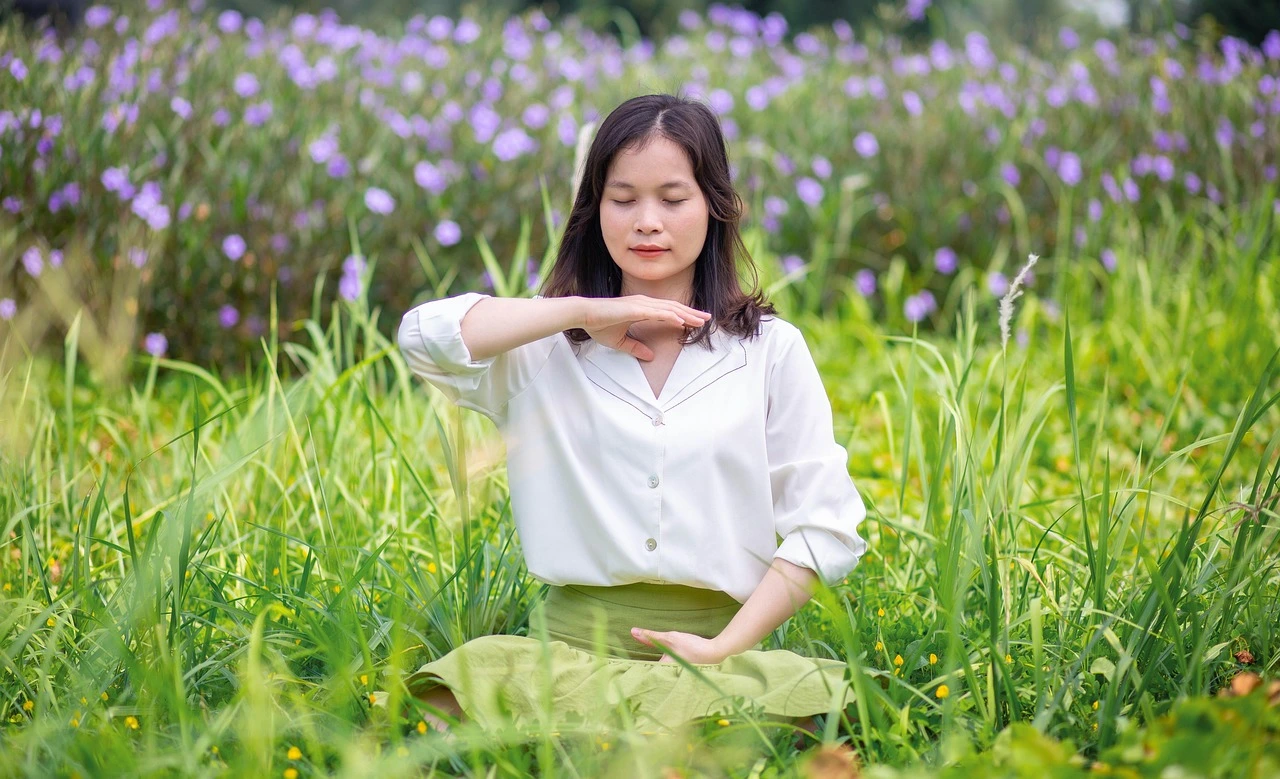
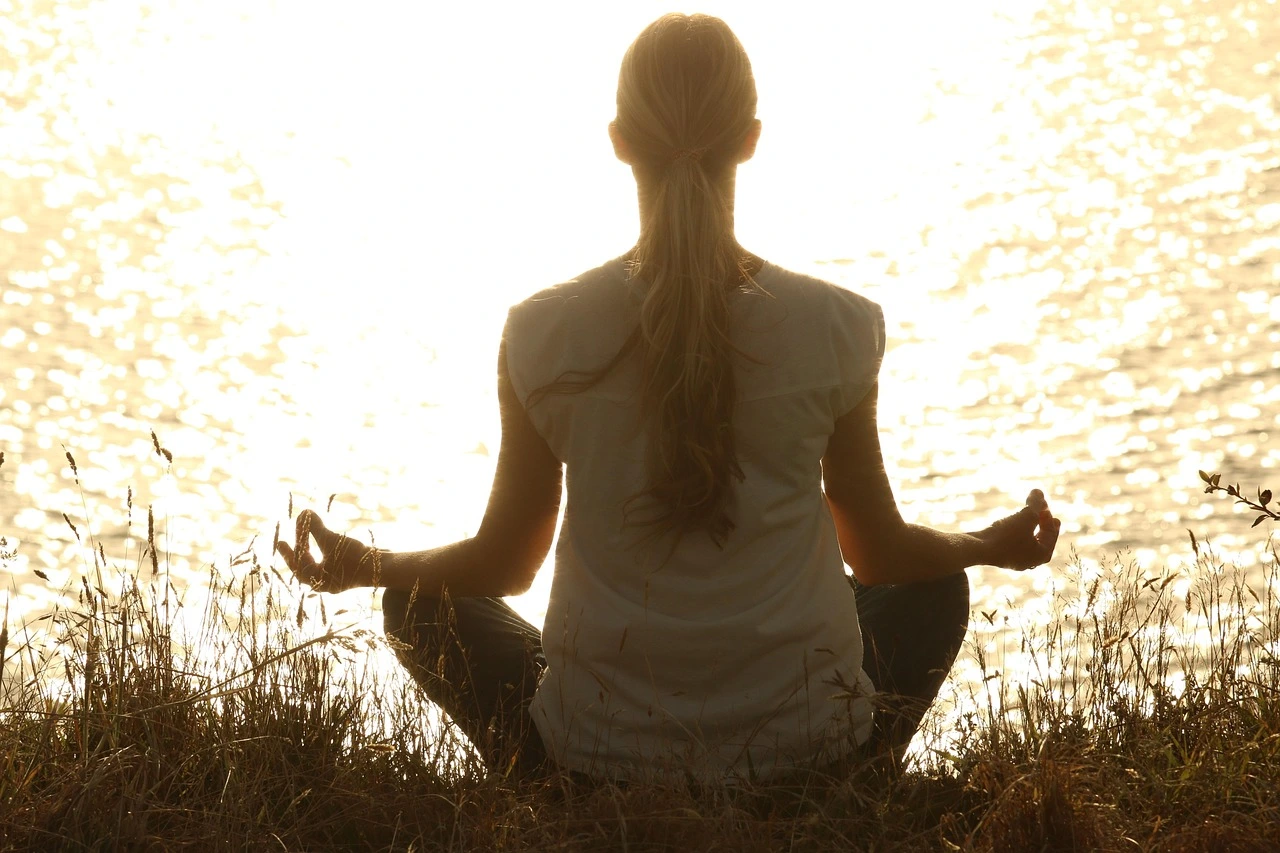
Find a quiet place where you won't be disturbed. Sit comfortably—you don't need to twist yourself into a pretzel. A chair works perfectly fine. Close your eyes and take a few deep breaths to settle in.
Now, bring your attention to your breathing. Notice the sensation of air moving in and out of your nose. Feel your chest and belly rise and fall.
Your mind will wander. That's completely normal. Community discussions on meditation forums confirm that distractions are part of the process, not a sign you're failing. When you notice your thoughts drifting, gently bring your focus back to your breath. No judgment, no frustration—just return to breathing.
Start with 10-15 minutes. User experiences suggest that beginners who set a timer find it easier to stay committed without constantly wondering how much time has passed.
This technique is even simpler than mindfulness meditation. You're just focusing on your breath and nothing else.
The NCCIH describes breathing techniques as part of relaxation practices that help bring about the body's relaxation response. And they work effectively for many practitioners.
Try this: Breathe in slowly through your nose for a count of four. Hold for a count of four. Exhale through your mouth for a count of six. The longer exhale activates your parasympathetic nervous system—that's your body's natural calming mechanism.
Repeat this cycle for 5-10 minutes. Many practitioners find this technique helpful when they need stress relief.
Body scan meditation is perfect if you have trouble sitting still or if your mind is particularly restless.
Here's how it works: Lie down or sit comfortably. Close your eyes. Starting at the top of your head, slowly bring your attention to each part of your body, moving downward. Notice any tension, warmth, coolness, or other sensations.
Don't try to change anything—just observe. When you notice tension in your shoulders or jaw, acknowledge it and move on. This technique helps you become more aware of physical stress you might be carrying without realizing it.
The NIH research on relaxation techniques specifically mentions body awareness practices as effective for reducing stress and promoting relaxation.

Some people find it easier to focus on a word or phrase than on their breath. That's where mantra meditation comes in.
Choose a simple word or phrase. It could be something like "peace," "calm," "let go," or even just "one." You can also use traditional mantras like "Om" if that feels right to you.
Sit comfortably, close your eyes, and repeat your chosen mantra silently in your mind. When thoughts intrude (and they will), use the mantra as an anchor to bring yourself back.
The rhythm of repetition creates a focal point that many beginners find easier to maintain than open awareness.
If practicing alone feels overwhelming, guided meditations are your friend. These involve listening to someone who talks you through the meditation process.
Many practitioners suggest that beginners start with guided meditations because they provide structure and prevent you from getting lost in your thoughts. You can find free guided meditations online, and having that external voice helps keep you on track.
The instructor might guide you through breathing exercises, visualization, or body awareness. It takes the guesswork out of meditation.
Knowing the techniques is one thing. Actually building a consistent practice? That's where most people struggle.
Here's what works, based on both research and real user experiences from meditation communities:
Don't aim for 30-minute sessions right away. Community discussions emphasize having a "never zero" approach—even two minutes counts. It's better to meditate for five minutes every day than to aim for 30 minutes and quit after a week.
Set a timer so you're not constantly checking the clock. Start with 10-15 minutes as suggested by experienced practitioners.
Don't try to master five different meditation styles at once. Choose one technique that resonates with you and stick with it for at least two weeks. Switching constantly prevents you from developing any real skill.
You don't need a fancy meditation room, but having a consistent spot helps. User experiences show that finding a quiet place—even just a corner of your bedroom—signals to your brain that it's time to practice.
Some people use earbuds or noise-canceling headphones to block external sounds. Others prefer natural quiet. Experiment and see what works for you.
Many people meditate first thing in the morning because their mind is less cluttered. Others prefer evening meditation to unwind from the day. There's no wrong answer—just pick a time you can stick with consistently.

If you find that sitting with your eyes closed leads to a "racing mind" rather than calm, our team at Mesmerize has developed a novel approach to help you break through that initial barrier. While traditional meditation focuses on internal focus, we utilize a science-backed visual mediation method. By combining an infinite scroll of mesmerizing, meditative visuals with beautifully crafted soundscapes and narrations, we provide an external "anchor" for your attention. This is particularly effective for beginners who find the silence of mindfulness or the repetition of mantras challenging to maintain at first.
Beyond just passive watching, we’ve integrated a visual breathing tool that allows you to sync your breath patterns directly with the movement on your screen. Whether you are dealing with anxiety or just trying to improve your focus, our app offers a highly customizable experience—from 3D voice effects to an expansive library of sleep stories and affirmations. With over 2 million downloads and a 4.8-star rating, we help you transition from a meditation skeptic to a consistent practitioner by making the process "incredibly simple and impressively effective."
Let me save you some frustration by addressing the most common pitfalls.
Systematic reviews of meditation programs have examined the effectiveness of meditation for various conditions. Research findings show that meditation can have effects on reducing anxiety, depression, and pain.
Different meditation types work better for different conditions. Research on meditation interventions found that mindfulness-based approaches showed promise for chronic pain and stress-related conditions.
According to research in the journal Ayu, meditation's effects include both immediate physiological changes (like reduced heart rate) and long-term benefits from sustained practice (like improved emotional regulation).
The takeaway? All these techniques work, but you need to give them time.
Here's something nobody tells beginners: your mind will resist meditation at first. It's used to constant stimulation, and sitting quietly feels weird.
The NCCIH explains that meditation teaches you to focus attention and observe thoughts in a nonjudgmental way. That non-judgment part is crucial. When your mind wanders for the hundredth time, don't get angry at yourself.
Think of your thoughts like clouds passing through the sky. You notice them, but you don't grab onto them or chase them away. They just float by.
Community discussions consistently emphasize that when you notice your thoughts drifting, simply return to focusing on breathing. That moment of noticing—that's actually the meditation working.
Once you've established a basic practice, you might want to explore deeper. But don't rush this.
Many experts suggest spending at least a month with basic mindfulness or breathing meditation before branching out. Build your foundation first.
Some options for later include visualization techniques, loving-kindness meditation, or walking meditation. But seriously, master the basics first.
Here's the bottom line: meditation techniques for beginners don't have to be complicated. Choose one simple method, practice for 10-15 minutes daily, and be patient with yourself.
According to the NIH, meditation has measurable benefits for both physical and mental health. But you won't experience those benefits by just reading about it.
Pick one technique from this guide—I'd suggest starting with mindfulness meditation or focused breathing. Set a timer for ten minutes. Find a quiet spot. Close your eyes and begin.
Your mind will wander. You'll wonder if you're doing it right. You might feel frustrated. That's all normal. Keep showing up.
The practice becomes easier, but only if you start. So why not start now?
I canceled my subscription with Headspace and I now pay for Mesmerize instead. I was hooked after the free trial! I love how customizable the sounds, meditations, and visuals are! Using this app has honestly become my favorite part of my day! ☺️ It helps me relax, meditate, visualize, sleep, and it does wonders for my anxiety/phobia/ocd tendencies. Thank you Mesmerize for giving us this amazing mental health tool! I told my therapist about this app and have been telling all my friends too. It’s just so helpful!
This is the second or third app in the mindfulness and meditation realm, and it’s the most scientific approach I have found. I have found these combinations of open monitoring, and focused attention meditation techniques are the most viable for those suffering from more severe forms of sleep, pain, and anxiety dysfunction one may be suffering from. Many of these approaches are used by professionals in a cognitive behavioral therapy setting. A truly complete approach in mindfulness and meditation.
I suffer from clinical depression and sometimes I get into a bad headspace but this app has really helped me whenever I’m in a bad mood I turn on the app listen to some person taking about breathing and look at cool figures on my phone and it makes me feel so much better I would highly recommend this app it’s worth the money
It didn’t take but five minutes of using this app to buy a yearly subscription. Worth it on so many levels. Easy to manipulate to what I like. Massive library of music, videos, etc.
Clear your mind and relax with a unique audio visual meditation experience.


.jpeg)