Discover proven chakra balancing meditation methods backed by research. Learn effective techniques to restore energy flow and improve well-being today.
.webp)
Quick Summary: Chakra balancing meditation involves focused practices that target the body's seven energy centers (chakras) to restore physical, emotional, and mental harmony. According to the National Center for Complementary and Integrative Health, meditation practices have grown significantly, with meditation adoption increasing significantly over recent decades. Effective chakra meditation typically requires 15-20 minutes of daily practice and combines breath awareness, visualization, and mindfulness techniques.
The practice of chakra meditation has evolved from ancient Eastern traditions into a widely recognized approach for maintaining energetic balance. As interest in mind-body practices continues to grow, understanding how to effectively balance the chakras through meditation becomes increasingly relevant.
Chakra balancing meditation focuses on the seven primary energy centers located along the spine, from the base to the crown of the head. Each chakra corresponds to specific physical, emotional, and spiritual functions. When these energy centers become blocked or unbalanced, practitioners often report feeling disconnected, stressed, or physically unwell.
The National Center for Complementary and Integrative Health notes that meditation has a history spanning thousands of years, with many techniques originating in Eastern traditions. The term encompasses various practices that focus on mind-body integration and are used to calm the mind and enhance overall well-being.
Before exploring specific meditation techniques, it's essential to understand the fundamental framework of the chakra system. This knowledge provides the foundation for effective practice:
Research on meditation practices provides valuable context for understanding how chakra-focused techniques may support well-being. The National Center for Complementary and Integrative Health has examined meditation's effectiveness across various health outcomes.
A 2020 review analyzed 83 studies involving 6,703 participants to assess meditation experiences. The research found that 55 studies reported negative experiences, with approximately 8% of participants experiencing adverse effects—a rate similar to other therapeutic interventions.
This data suggests meditation is generally safe when practiced appropriately. The small percentage of negative experiences underscores the importance of proper technique and realistic expectations.
Mind-body practices, including meditation, target brain-body interactions to promote health. According to NCCIH, these practices are typically administered or taught by trained practitioners and include various modalities such as meditation, yoga, and relaxation techniques.
The growth in meditation adoption reflects increasing recognition of its potential benefits. Mind-body practices including meditation have been adopted by increasing proportions of the U.S. population.
Related practices show similar growth patterns. Yoga practice has grown significantly among U.S. adults, while other mind-body practices such as guided imagery and progressive muscle relaxation are also practiced by significant portions of adults.
Several fundamental approaches form the basis of effective chakra meditation practice. These techniques can be practiced individually or combined for comprehensive energy balancing.
This foundational technique involves moving awareness systematically through each chakra from root to crown. Practitioners typically dedicate 2-3 minutes per chakra, creating a 15-20 minute practice session.
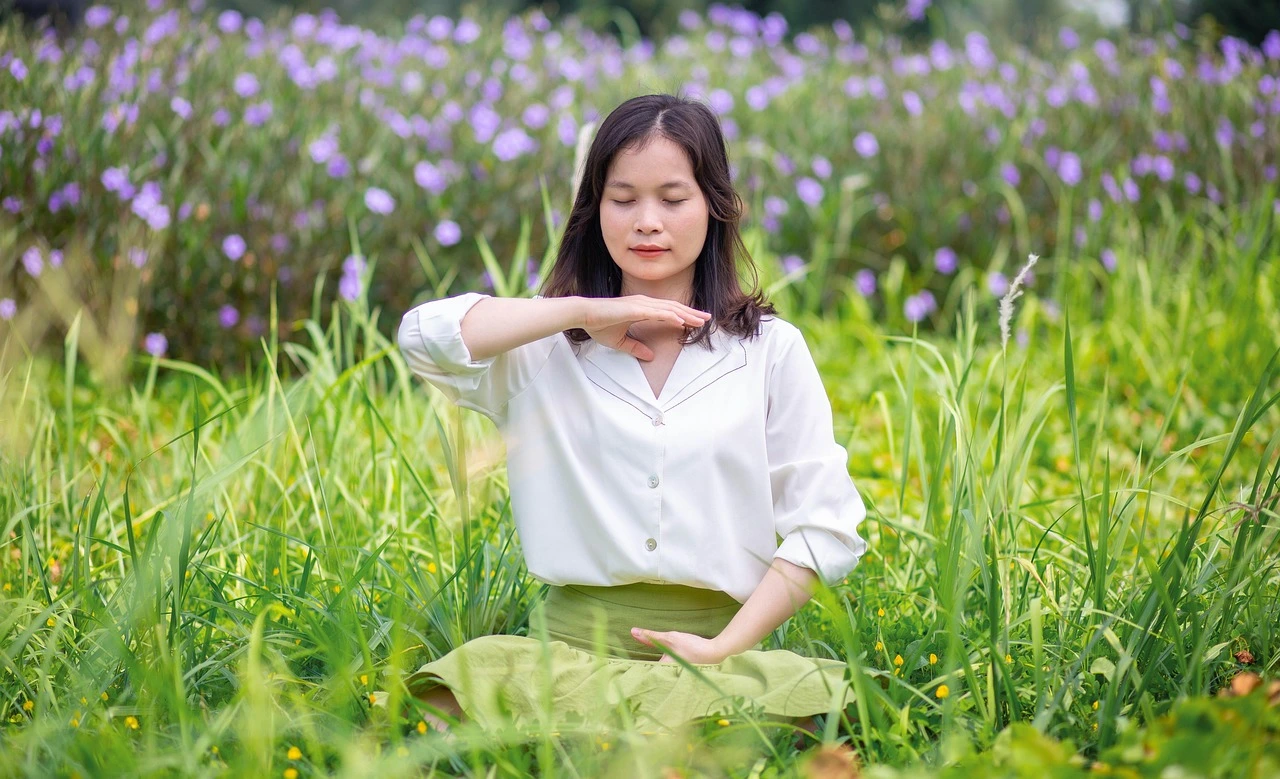
Start by finding a peaceful location free from distractions. Sit comfortably on a meditation cushion or yoga mat with legs folded and crossed. The spine should remain straight but not rigid, allowing energy to flow freely.
Begin with the root chakra at the base of the spine. Focus attention on this area while breathing naturally. Visualize a red sphere of energy at this location, growing brighter and more balanced with each breath.
Progress upward to the sacral chakra below the navel. Shift focus to this area and visualize an orange sphere of light. Continue this pattern through each subsequent chakra, using the appropriate color association for each energy center.
The throat chakra corresponds to blue light, the third eye to indigo, and the crown to violet or white light. Spend equal time with each chakra to maintain balanced attention across the entire system.
Breath regulation plays a central role in many meditation traditions. NCCIH notes that practices like qigong involve regulation of the mind, breath, and body's movement and posture.
For chakra-specific breath work, direct the breath's energy to each chakra location. Inhale while imagining energy entering the targeted chakra. Hold briefly at the top of the breath, then exhale while releasing any blockages or stagnant energy.
A 2017 review found that diligent practice—30 to 40 minutes daily for 6 to 8 weeks—produced consistent benefits for participants. While this research focused on qigong for fibromyalgia, it demonstrates that regular, sustained practice matters more than intensity.
The breath serves as an anchor for wandering attention. When the mind drifts, gently return focus to the breath and the chakra receiving attention. This gentle redirection strengthens concentration over time.
Visual imagery enhances chakra meditation by engaging the mind's creative faculties. Each chakra associates with specific colors, symbols, and qualities that can be incorporated into visualization practice.
Beyond basic color visualization, practitioners can imagine each chakra as a spinning wheel or lotus flower. The speed, brightness, and clarity of this mental image often reflect the chakra's current state.
A balanced chakra appears as a smoothly rotating wheel of vibrant light. An imbalanced chakra might appear dim, spinning erratically, or partially obscured. These subjective impressions guide the meditation process.
Community discussions highlight that visualization techniques vary widely in effectiveness between individuals. Some practitioners find detailed imagery essential, while others prefer simple awareness of each location.
Sound vibrations provide another dimension to chakra balancing work. Each chakra traditionally associates with a specific seed mantra or bija sound.
The root chakra connects to the sound "LAM," the sacral to "VAM," the solar plexus to "RAM," the heart to "YAM," the throat to "HAM," the third eye to "OM," and the crown to silence or "OM."
Chanting these mantras—either aloud or internally—creates vibrational resonance at each chakra location. The practice combines breath control with sound production, engaging multiple aspects of awareness simultaneously.
Repeat each mantra 7-12 times while focusing on the corresponding chakra. The vibration should be felt physically in that area of the body, creating a tangible connection between sound and energy center.
Structured guidance can significantly enhance chakra meditation practice, especially for beginners. Guided sessions provide direction, pacing, and comprehensive instruction that support consistent practice.
Many practitioners benefit from audio guidance that leads them through each chakra systematically. The external voice provides structure that prevents the mind from wandering excessively while maintaining appropriate timing for each segment.
Guided meditations typically range from 10 to 40 minutes. Shorter sessions focus on essential visualization and breath work, while longer practices incorporate more detailed imagery, affirmations, and extended time with each chakra.
The advantage of guided practice lies in removing decision-making from the meditation session itself. Instead of wondering how long to spend on each chakra or what to visualize, practitioners simply follow instructions and focus on their internal experience.
User experiences shared in community discussions reveal that guided meditations work particularly well for establishing a consistent routine. The commitment to complete a specific recording can overcome initial resistance to practice.

Chakra balancing meditations often combine visualization, attention, and relaxation techniques. Mesmerize supports these practices with guided meditation sessions, animated visuals, soundscapes, affirmations, hypnosis content, sleep stories, and visual breathing features.
Mesmerize can help you explore:
Download Mesmerize on iOS or Android to explore guided meditation experiences that fit your personal approach to mindfulness.
The physical setting influences meditation quality significantly. While advanced practitioners can meditate anywhere, creating a dedicated space supports regular practice and deeper experiences.
Choose a location that remains relatively quiet during practice times. This doesn't require complete silence—natural sounds generally don't disrupt meditation as much as human voices or mechanical noises.
Temperature matters more than most practitioners initially recognize. A room that's too cold creates physical tension, while excessive warmth induces sleepiness. Aim for comfortable ambient temperature with the option to adjust layers of clothing.
Lighting should be soft and indirect. Harsh overhead lights can feel jarring even with closed eyes, while complete darkness sometimes promotes drowsiness rather than alert awareness. Dim natural light or a small lamp works well.
The meditation seat requires attention. Whether using a cushion, bench, or chair, the position should allow the spine to remain upright without strain. Hips should sit slightly higher than knees to prevent lower back discomfort during longer sessions.
Consider incorporating elements that support chakra meditation specifically. Some practitioners place crystals associated with each chakra nearby, though this remains optional rather than essential to the practice.
Establishing realistic time commitments increases the likelihood of maintaining regular practice. Research on related mind-body practices offers guidance on effective session duration.
For beginners, 15-20 minute sessions provide sufficient time to move through all seven chakras without creating overwhelming time demands. This duration allows approximately 2 minutes per chakra plus a brief settling period at the beginning and integration time at the end.
As comfort with the practice grows, extending to 30-40 minutes enables deeper exploration of each energy center. The extended time permits more detailed visualization, longer breath work, and fuller engagement with each chakra's qualities.
Consistency matters more than duration. Daily 15-minute sessions typically produce better results than sporadic hour-long practices. The brain-body system responds to regular reinforcement of meditation patterns.
Morning practice offers certain advantages. The mind tends to be clearer and less cluttered with daily concerns immediately after waking. Additionally, morning meditation establishes a centered state that can influence the entire day.
Evening sessions support relaxation and processing of daily experiences. Chakra meditation before bed can improve sleep quality by releasing accumulated stress and rebalancing energy that became disrupted during active hours.
Some practitioners practice both morning and evening. Research on related mind-body practices suggests consistent daily practice produces measurable benefits, with optimal frequency depending on individual circumstances and capacity.
_converted.webp)
Even experienced meditators encounter obstacles. Understanding common difficulties and their solutions prevents discouragement and supports long-term practice.
The wandering mind represents the most frequently cited challenge. Thoughts about daily tasks, concerns, or random associations constantly arise during meditation.
This mental activity is normal rather than a sign of failure. The practice involves noticing when attention has drifted and gently returning focus to the chakra and breath. Each return strengthens the concentration muscle.
Some practitioners find that acknowledging thoughts without engaging them works better than trying to suppress them. Notice the thought, then redirect to the meditation object without judgment or analysis.
Sitting still triggers various physical sensations—tingling, numbness, itching, or muscle tension. These sensations can dominate awareness and disrupt focus.
Adjust posture as needed rather than enduring pain. Meditation should involve alert relaxation, not physical suffering. Small movements to relieve genuine discomfort don't diminish practice quality.
That said, some discomfort reflects the body adjusting to unfamiliar stillness. Learning to observe mild sensations without immediately reacting builds useful awareness skills.
Not everyone experiences vivid mental imagery. Some practitioners struggle to "see" the colors or forms associated with each chakra.
Visualization exists on a spectrum. Some people generate cinema-quality mental images, while others experience vague impressions or simply conceptual awareness. Both approaches work for chakra meditation.
Focus on the felt sense of each chakra location rather than forcing visual imagery. The kinesthetic awareness of energy in each area often proves more valuable than elaborate pictures.
Maintaining daily practice challenges many practitioners. Life demands, changing schedules, and fluctuating motivation all interfere with consistency.
Setting a specific time and treating it as a non-negotiable appointment helps. Morning practice often proves more reliable than evening sessions, which compete with fatigue and evening activities.
Starting with achievable durations prevents overwhelm. Better to maintain 10 minutes daily than repeatedly fail to complete 30-minute sessions and abandon the practice.
Chakra meditation complements various other mind-body approaches. Combining practices can enhance overall effectiveness and maintain engagement.
According to NCCIH data, yoga practice has grown significantly among U.S. adults. Many yoga sequences specifically target chakra activation and balancing through physical postures.
Practicing chakra-focused yoga before meditation prepares the body and energy system. The physical movement releases tension and increases circulation, creating optimal conditions for subsequent seated practice.
Specific poses correspond to each chakra. Grounding poses like mountain pose or tree pose activate the root chakra. Hip openers address the sacral chakra. Core work stimulates the solar plexus.
Heart-opening backbends affect the heart chakra. Shoulder stands and neck stretches influence the throat chakra. Forward folds and the child's pose calm the third eye. Headstands and meditation activate the crown chakra.
Pranayama—yogic breathing techniques—enhances chakra meditation when practiced beforehand or incorporated into the session itself. Different breathing patterns create distinct energetic effects.
Alternate nostril breathing (Nadi Shodhana) balances the left and right energy channels, creating harmony across all chakras. This technique involves closing one nostril while breathing through the other, then switching sides.
Breath of fire (Kapalabhati) generates heat and energy, particularly activating the solar plexus chakra. This rapid diaphragmatic breathing should be practiced with proper instruction to avoid hyperventilation.
Singing bowls, tuning forks, or recorded frequency tones can accompany chakra meditation. Each chakra resonates with specific sound frequencies that may enhance meditation effects.
Research on meditation programs examined by NCCIH found that various approaches can reduce psychological stress. While sound healing specifically hasn't been extensively studied, the combination of meditation with auditory stimuli represents a traditional practice method.
Unlike physical exercise, meditation progress can feel intangible. Establishing markers helps maintain motivation and track development.
Subjective well-being provides the most direct measure. Notice changes in stress response, emotional stability, physical energy, and mental clarity. These shifts often emerge gradually over weeks rather than appearing dramatically after single sessions.
Some practitioners maintain a meditation journal, briefly noting experiences after each session. Patterns become visible when reviewing entries over time—certain chakras may consistently feel more accessible while others remain challenging.
Physical health changes can reflect chakra balancing effects. Improved digestion might indicate solar plexus balancing. Better sleep could reflect crown chakra work. Enhanced communication abilities might signal throat chakra opening.
Emotional responses to life situations often shift with regular practice. The same triggering events might provoke less intense reactions as the chakra system becomes more balanced and resilient.
The ability to maintain focus during meditation itself indicates progress. Beginners might struggle to complete even 10 minutes, while experienced practitioners can sustain concentrated attention for extended periods.
While generally safe, meditation practices require certain precautions. The NCCIH review found that approximately 8% of meditation participants experienced negative effects, similar to rates for other interventions.
Individuals with certain mental health conditions should approach intensive meditation cautiously. Those with schizophrenia, psychosis, or severe trauma history may find that deep meditation exacerbates symptoms or triggers difficult experiences.
Consultation with a healthcare provider before beginning intensive practice makes sense for anyone with significant physical or mental health concerns. This doesn't mean meditation is dangerous—just that informed guidance helps match practice intensity to individual circumstances.
Some practitioners report unusual sensations during chakra work—tingling, temperature changes, emotional releases, or energetic phenomena. These experiences are generally harmless but can feel unsettling without proper context.
If meditation consistently increases anxiety, triggers panic, or worsens mental health symptoms, reduce intensity or consult with an experienced teacher. Meditation should gradually enhance well-being rather than create distress.
Physical symptoms like dizziness during practice often indicate breathing irregularities. Maintain natural, relaxed breathing rather than forcing breath control beyond comfortable limits.
The abundance of meditation resources can overwhelm beginners. Evaluating options helps identify high-quality guidance aligned with personal needs and preferences.
Audio and video recordings provide accessible entry points to chakra meditation. Quality varies significantly across available options.
Look for recordings with clear, calm voice guidance that doesn't feel rushed or overly theatrical. The narrator's tone should feel supportive without being condescending.
Session structure matters—effective recordings include proper opening to settle attention, adequate time with each chakra, and appropriate closing to integrate the experience.
Community discussions reveal that personal preference heavily influences which guided meditations resonate. What works beautifully for one practitioner might feel irritating to another. Sampling multiple teachers and styles helps identify good fits.
Working with a qualified meditation teacher provides personalized guidance that addresses individual challenges and questions. Teachers can observe practice, suggest adjustments, and provide accountability.
Yoga studios, meditation centers, and wellness facilities commonly offer chakra meditation classes. These group settings create a supportive community while providing expert instruction.
Private instruction offers maximum personalization but involves greater cost. For practitioners encountering persistent difficulties or seeking deeper development, individual guidance can accelerate progress significantly.
Books and articles supplement practical meditation experience with theoretical understanding. Learning about chakra psychology, energetic anatomy, and meditation principles enriches practice.
Quality written resources include practical instructions rather than solely philosophical discussion. The most useful materials balance theory with concrete techniques that readers can immediately implement.
Once foundational practices feel comfortable, more sophisticated approaches can deepen the work and maintain engagement.
Instead of moving through all seven chakras, dedicate entire sessions to one energy center. This intensive approach addresses specific imbalances or develops particular qualities.
Spend 20-30 minutes with a single chakra, exploring its qualities, blockages, and potential more thoroughly than sequential practice allows. This depth of focus can produce powerful shifts.
The choice of which chakra to emphasize depends on current life circumstances and challenges. Feeling insecure and ungrounded suggests root chakra work. Communication difficulties point toward throat chakra focus.
While standard practice moves from root to crown, reversing direction creates different energetic effects. Starting at the crown and descending to the root emphasizes grounding spiritual insights into physical reality.
This approach can benefit practitioners who feel overly "spacey" or disconnected from practical concerns. The downward energy flow anchors awareness more firmly in the body.
Advanced work explores relationships between chakras rather than treating them as isolated centers. Connecting heart and throat chakras, for instance, supports authentic emotional expression.
Visualize energy flowing between two chakras, creating a circuit or exchange. This technique recognizes that the chakras function as an integrated system where each influences others.
Meditation practice exists within a broader life context. Other factors significantly influence chakra balance and meditation effectiveness.
Traditional chakra teachings associate each energy center with specific foods and nutritional qualities. While scientific evidence for these connections remains limited, proper nutrition supports overall well-being that enhances meditation.
Adequate hydration affects mental clarity and physical comfort during practice. Dehydration can manifest as difficulty concentrating or physical discomfort that disrupts meditation.
Rest directly impacts meditation capacity. Sleep deprivation makes sustained focus nearly impossible and increases emotional reactivity that meditation aims to reduce.
Interestingly, regular meditation often improves sleep quality, creating a positive cycle. Better meditation supports better sleep, which in turn enhances subsequent meditation sessions.
Movement and exercise complement seated meditation by releasing physical tension and balancing energy. Sedentary lifestyles can contribute to chakra imbalances that meditation alone struggles to address.
NCCIH data shows that multiple mind-body practices are often used together. Many people engage in both yoga and meditation as complementary practices.
Chronic stress continuously disrupts chakra balance faster than meditation can restore it. Addressing stress sources—whether through boundary setting, schedule adjustments, or therapeutic support—creates conditions where meditation can be more effective.
According to NCCIH, meditation programs can result in small to moderate reductions of multiple negative dimensions of psychological stress. This suggests meditation works best as part of comprehensive stress management rather than as an isolated intervention.
While comprehensive chakra balancing offers broad benefits, targeted approaches address particular life areas and challenges.
The sacral chakra governs creative expression and innovation. Focused meditation on this energy center can help overcome creative blocks and access fresh inspiration.
Visualize the sacral chakra as a flowing orange light just below the navel. Imagine this energy as liquid, moving freely and carrying creative ideas to conscious awareness.
Pairing sacral chakra meditation with creative activities—writing, painting, music—can establish a powerful connection between energetic work and practical output.
Solar plexus chakra work directly addresses self-esteem and personal power. This becomes particularly valuable during transitions, new challenges, or after experiences that undermine confidence.
Focus on the area just above the navel, visualizing bright yellow light. With each breath, imagine this light growing stronger and more radiant, filling the entire core with powerful energy.
Affirmations work particularly well with solar plexus meditation. Statements like "I am capable and strong" or "I trust my decisions" reinforce the energetic work.
Heart chakra meditation supports capacity for connection, compassion, and love. Both romantic relationships and broader social connections benefit from balanced heart energy.
Visualize green light at the center of the chest, radiating outward in all directions. Imagine this energy extending toward loved ones, healing past hurts and opening to deeper connection.
For those guarding against emotional pain, heart chakra work can gently soften protective walls while maintaining healthy boundaries.
Third eye chakra meditation enhances intuitive capacity and inner knowing. This becomes valuable for decision-making, creative insight, and spiritual development.
Focus on the point between and slightly above the eyebrows. Visualize deep indigo light at this location. Allow this area to soften and open, creating receptivity to subtle perceptions.
Notice impressions, images, or knowing that arise without logical analysis. The third eye perceives through different channels than the rational mind, requiring trust in non-linear awareness.
Several myths about chakra meditation can create unrealistic expectations or unnecessary hesitation about beginning practice.
Some promotional materials suggest chakra meditation produces instant transformation. Real practice typically involves gradual, cumulative changes.
Research on meditation shows small to moderate effects on psychological stress. These modest but meaningful improvements accumulate over weeks and months of consistent practice.
While chakra concepts originate in Eastern spiritual traditions, the meditation techniques themselves don't require adopting particular religious beliefs.
Many practitioners approach chakra work as a psychological and energetic practice rather than a religious one. The techniques can be separated from their cultural origins while remaining respectful of those traditions.
Beginners sometimes worry about doing chakra meditation "wrong." In reality, sincere attention to the practice matters more than perfect execution of every detail.
The energy system responds to focused awareness and intention. Precise visualization, perfect posture, and exact timing enhance effectiveness but aren't absolute requirements for beneficial practice.
Chakra meditation doesn't require identifying as spiritual. Many practitioners appreciate the stress reduction, emotional regulation, and mental clarity benefits without engaging the spiritual dimensions.
The adoption of meditation by increasing proportions of the U.S. population likely includes diverse motivations—from purely pragmatic stress management to deeply spiritual seeking.
I canceled my subscription with Headspace and I now pay for Mesmerize instead. I was hooked after the free trial! I love how customizable the sounds, meditations, and visuals are! Using this app has honestly become my favorite part of my day! ☺️ It helps me relax, meditate, visualize, sleep, and it does wonders for my anxiety/phobia/ocd tendencies. Thank you Mesmerize for giving us this amazing mental health tool! I told my therapist about this app and have been telling all my friends too. It’s just so helpful!
This is the second or third app in the mindfulness and meditation realm, and it’s the most scientific approach I have found. I have found these combinations of open monitoring, and focused attention meditation techniques are the most viable for those suffering from more severe forms of sleep, pain, and anxiety dysfunction one may be suffering from. Many of these approaches are used by professionals in a cognitive behavioral therapy setting. A truly complete approach in mindfulness and meditation.
I suffer from clinical depression and sometimes I get into a bad headspace but this app has really helped me whenever I’m in a bad mood I turn on the app listen to some person taking about breathing and look at cool figures on my phone and it makes me feel so much better I would highly recommend this app it’s worth the money
It didn’t take but five minutes of using this app to buy a yearly subscription. Worth it on so many levels. Easy to manipulate to what I like. Massive library of music, videos, etc.
Clear your mind and relax with a unique audio visual meditation experience.


.jpeg)