
A gentle introduction to guided meditation for beginners. Learn what it is, how it works, and how to start without pressure or overthinking.
.webp)
Starting meditation can feel oddly intimidating. You sit down, close your eyes, and suddenly your mind gets louder, not quieter. That’s usually the moment people decide meditation “isn’t for them.”
Guided meditation offers a softer way in. Instead of trying to figure it out alone, you’re led through the experience by a calm voice that gives your attention something to rest on. There’s no need to clear your mind or do anything perfectly. You simply listen, notice what’s happening, and let the practice unfold at its own pace.
For beginners especially, guided meditation can turn meditation from a task into something more approachable. Less effort. Less guessing. Just a few minutes of being supported while you slow things down.
Guided meditation is a form of meditation where someone talks you through the experience. That guidance might include instructions on breathing, noticing sensations in the body, visual imagery, or simple reminders to return your attention when it drifts.
The guidance acts as a steady reference point. When your mind wanders, which it will, the voice brings you back without judgment. You are not expected to know what to do next or how long to stay focused. You simply listen and respond.
For beginners, this structure matters. Silence can feel confronting when you are not used to sitting with your thoughts. Guided meditation gives the mind something neutral to hold onto while the body settles.
Many people assume meditation requires discipline, control, or a quiet mind. That assumption alone creates tension before you even begin. Guided meditation reframes the experience. You are not trying to achieve anything. You are participating in something already in motion.
Here is why guided meditation tends to work well for beginners:
Instead of feeling like a solo effort, meditation becomes something you do with support.

At Mesmerize, we built the app for people who want to meditate without overthinking it. Especially beginners. We know how easy it is to feel unsure the moment you sit down and try to quiet your mind. That is why we focus on making the experience feel supportive rather than demanding.
Instead of asking you to do meditation the “right” way, we guide you visually and audibly so your attention has somewhere natural to land. Our guided sessions pair calm narration with flowing visuals and immersive soundscapes, which can make it easier to stay present when silence feels uncomfortable. For many beginners, having something gentle to watch or listen to removes the pressure to concentrate perfectly.
We also keep things flexible. You can choose the voice, the pace, the background music, or even skip narration entirely and rest with sound and visuals alone. Some days call for guidance. Other days, you might just want a quiet visual rhythm or a steady breathing pattern to follow. Both are valid ways to meditate.
Mesmerize is designed to fit into real life. Quick presets help you start without scrolling or planning. A sleep timer lets sessions fade out naturally. Offline mode means you can listen anywhere. And because privacy matters, we keep the app free from ads, intrusive permissions, or unnecessary emails.
For beginners, meditation works best when it feels simple and approachable. That is the experience we aim to create every time someone opens Mesmerize: a calm place to slow down, supported by visuals, sound, and guidance that meet you where you are.
One of the most persistent myths about meditation is that you are supposed to stop thinking. This idea discourages more beginners than almost anything else.
Thoughts are not a failure of meditation. They are part of it.
During guided meditation, you will think about work, conversations, plans, memories, or nothing in particular. The practice is not about eliminating thoughts. It is about noticing when attention has drifted and gently returning it to the guide, the breath, or the body.
That moment of noticing is the practice. Every time you return, you are training awareness, not willpower.

A guided meditation can look different depending on the style, but most follow a loose structure:
You begin by settling into a comfortable position. The guide may invite you to close your eyes or soften your gaze. There is usually an initial moment of grounding, such as noticing the breath or the weight of the body.
As the meditation continues, the guide offers gentle prompts. These might include noticing sensations, following the rhythm of breathing, or imagining a calming scene. Silence may be woven in, but the voice returns often enough to keep you oriented.
Toward the end, the guide helps you transition out of the practice slowly, rather than stopping abruptly.
For beginners, this gradual opening and closing is especially helpful. It prevents the practice from feeling jarring or incomplete.
Longer does not mean better when it comes to meditation. Especially at the beginning.
For most beginners, five to ten minutes is enough. That might sound short, but it is plenty of time to notice how the mind behaves and how the body responds to stillness.
Starting small builds trust. When meditation feels doable, you are more likely to return to it. If you start with twenty or thirty minutes and struggle through it, your nervous system may associate meditation with effort or frustration.
You can always increase the length later. There is no rush.
Even with guidance, beginners often run into the same concerns. Knowing what to expect can make those moments feel less discouraging.
Fidgeting, shifting, or feeling uncomfortable is extremely common. The body is not used to being still. You are not doing anything wrong.
If sitting still feels too difficult, try a guided meditation that allows you to lie down or sit in a chair. Comfort matters more than posture.
Many people feel disappointed when their thoughts feel louder during meditation. In reality, you are simply noticing them more clearly.
Guided meditation helps by repeatedly inviting you back to a single point of focus. Over time, this back-and-forth becomes less jarring.
Thoughts like this is not working or I am bad at meditation often show up early. These thoughts are not signs of failure. They are just more mental activity to notice.
A good guide will remind you that there is no correct experience to aim for.
A subtle trap many beginners fall into is using meditation as a way to fix something that feels wrong. Anxiety, restlessness, stress, or self-criticism become problems to solve.
Meditation does not work well from that place.
Guided meditation is most helpful when approached as a space to observe rather than correct. You are learning how your mind behaves under different conditions. That awareness alone can be calming over time.
When meditation becomes another performance task, it often creates more tension than relief.

When you are new to meditation, it helps to know that there is more than one way to be guided. Different styles work for different people, and part of starting without overthinking is giving yourself permission to explore.
One of the most common starting points is breath-focused guided meditation. The breath is always present and does not require imagination, belief, or prior experience. It gives your attention something steady to return to.
In these meditations, you are usually invited to notice the sensation of air moving in and out of the nose, the rise and fall of the chest or belly, or the natural rhythm of breathing without trying to control it. When the mind wanders, which it inevitably does, the guide gently brings you back to the next inhale or exhale.
Breath-based meditation helps build concentration and steadiness over time. It tends to feel neutral and accessible, which is why many beginners find it easier to return to regularly.
Another beginner-friendly option is the body scan. In this practice, the guide slowly leads you through different parts of the body, one at a time, bringing awareness to physical sensations.
The goal is not to relax the body or make sensations disappear. You are simply noticing what is already there. Tightness, warmth, numbness, restlessness, or ease are all valid experiences.
Body scan meditations can be especially helpful if you feel disconnected from your body or carry tension without realizing it. They are also grounding during periods of stress, fatigue, or emotional overwhelm.
Some guided meditations use imagery to help focus attention. You might be invited to imagine a place, a color, a light, or a gentle movement through the body.
Visualization does not require clear mental pictures. If images come easily, that is fine. If they feel abstract or faint, that is fine too. The practice works through intention rather than visual detail.
For some beginners, imagery feels soothing and supportive. For others, it can feel distracting. There is no need to force it. Trying different styles over time helps you learn which approaches feel most natural for you.
Consistency matters more than frequency. Some beginners meditate every day, while others practice a few times a week. Both approaches are valid. What matters most is choosing a rhythm that feels realistic rather than ideal. Meditation tends to stick when it fits into your life as it is, not the life you think you should have. Tying it to an existing routine can help, whether that’s after waking up, before bed, or during a quiet moment in the middle of the day.
Missing a session does not undo anything. There is no streak to protect or progress to lose. If you skip a day, or even a week, you simply begin again when you can. Meditation works best when it feels forgiving, not demanding.
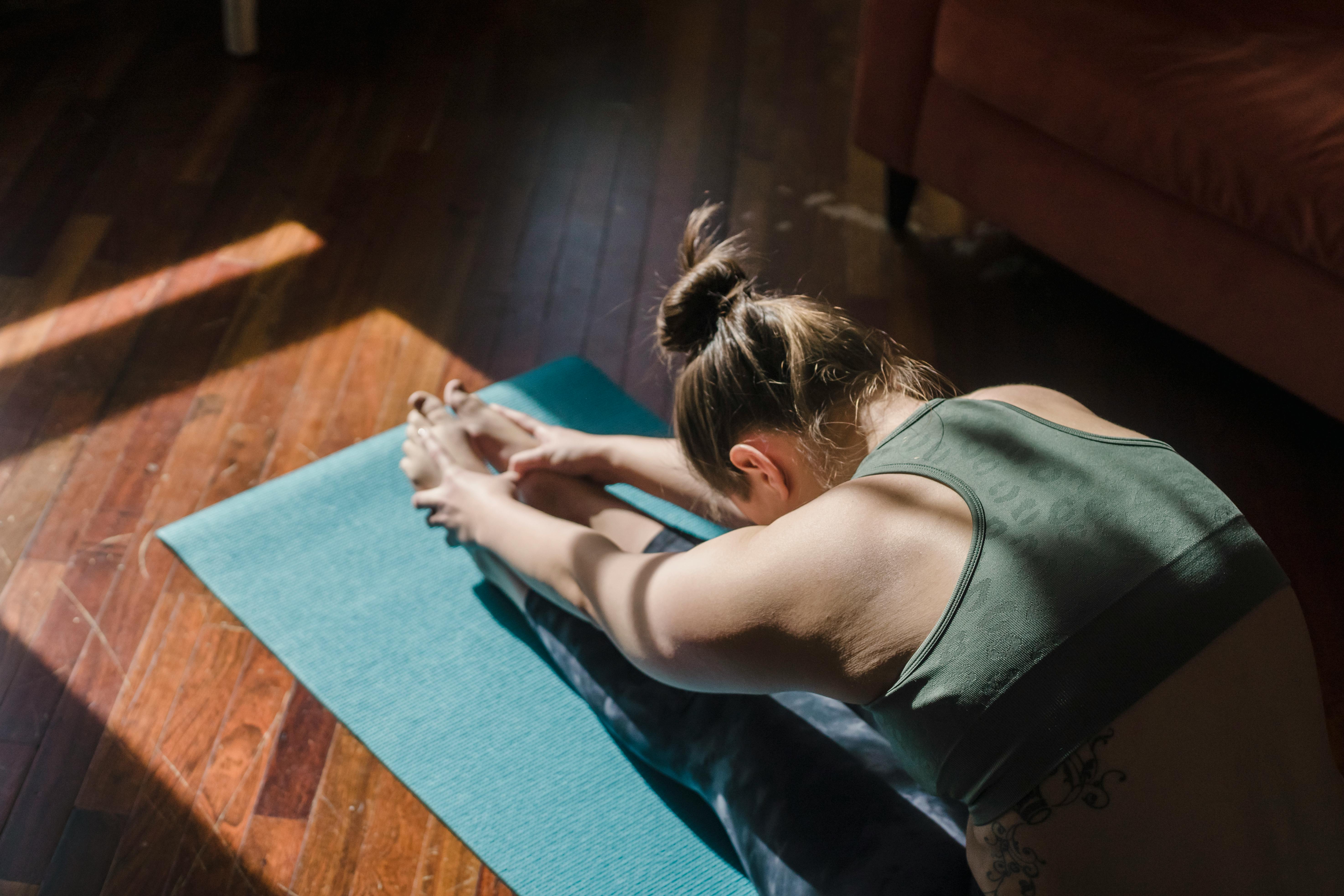
You do not need a special space, perfect posture, or complete silence to meditate. That said, a few small adjustments can make it easier to settle in, especially when you are just starting out. The goal is not to control everything around you, but to reduce friction where you can.
A supportive environment does not need to be quiet or elaborate. It just needs to feel safe enough for you to pause and pay attention for a few minutes.
Some days, meditation feels calming. Other days, it feels uncomfortable or emotionally charged. Both experiences are normal.
If strong emotions arise, the practice is not failing. Meditation often reveals what has been sitting beneath the surface.
If a particular meditation feels overwhelming, shorten the session or switch to a gentler style. Self-compassion matters more than persistence.
Meditation is not meant to push you beyond your capacity.
One of the most helpful shifts beginners can make is letting go of expectations about how meditation should feel. It is not always peaceful or calming. Some sessions feel restless, boring, emotional, or surprisingly neutral. None of these experiences mean the practice is failing. They are all part of learning how the mind behaves when you slow down.
When you stop judging each session or looking for a specific outcome, meditation becomes easier to return to. You are no longer trying to make something happen. You are simply showing up and noticing what is there. Over time, that attitude creates far more ease than effort ever could.
If you are new to meditation, guided practice offers a practical and supportive starting point. You do not need special knowledge, perfect focus, or a quiet mind.
You need willingness, a few minutes, and a bit of patience.
Start small. Stay curious. Let the practice meet you where you are, rather than where you think you should be.
Over time, guided meditation becomes less about doing something right and more about giving yourself space to notice what is already there.
That, in itself, is enough to begin.
I canceled my subscription with Headspace and I now pay for Mesmerize instead. I was hooked after the free trial! I love how customizable the sounds, meditations, and visuals are! Using this app has honestly become my favorite part of my day! ☺️ It helps me relax, meditate, visualize, sleep, and it does wonders for my anxiety/phobia/ocd tendencies. Thank you Mesmerize for giving us this amazing mental health tool! I told my therapist about this app and have been telling all my friends too. It’s just so helpful!
This is the second or third app in the mindfulness and meditation realm, and it’s the most scientific approach I have found. I have found these combinations of open monitoring, and focused attention meditation techniques are the most viable for those suffering from more severe forms of sleep, pain, and anxiety dysfunction one may be suffering from. Many of these approaches are used by professionals in a cognitive behavioral therapy setting. A truly complete approach in mindfulness and meditation.
I suffer from clinical depression and sometimes I get into a bad headspace but this app has really helped me whenever I’m in a bad mood I turn on the app listen to some person taking about breathing and look at cool figures on my phone and it makes me feel so much better I would highly recommend this app it’s worth the money
It didn’t take but five minutes of using this app to buy a yearly subscription. Worth it on so many levels. Easy to manipulate to what I like. Massive library of music, videos, etc.
Clear your mind and relax with a unique audio visual meditation experience.


.jpeg)
.webp)
.webp)


