
Struggling to quiet the mind? Here's how beginners can start meditating without pressure, posture rules, or unrealistic goals.
.webp)
Most people don’t start meditating because they’re already calm. They start because their mind won’t shut up, sleep feels out of reach, or everything just feels overstimulating. And for beginners, the hardest part isn’t sitting still - it’s figuring out where to begin without getting lost in rituals, rules, or spiritual fluff.
Meditation doesn’t have to be complicated. It can start with a few deep breaths, a quiet corner, and something steady to focus on. No incense required. No perfect mindset needed. Just a little willingness to pause and watch what shows up.
A gentle look at what meditation is actually for - and what people usually get wrong about it.
It’s About Noticing, Not Emptying
Most beginners think they’re supposed to “clear” their mind. But thoughts aren’t the enemy - they’re just there. Meditation is about noticing what the mind is doing without getting pulled into every single thought. Less fighting, more observing.
It’s A Skill, Not a Performance
Nobody gets a high score for sitting still. Some sessions feel calm, others feel chaotic - both are fine. Meditation is just showing up, even when it’s messy. Especially when it’s messy.
It’s Not All Breath and Posture
Breath can be helpful, sure. But it’s not the only option. Some people connect better through sound, visuals, or movement. Meditation isn’t tied to one format - it’s about finding something steady to anchor attention. Whatever helps the mind settle, that’s the right place to begin.
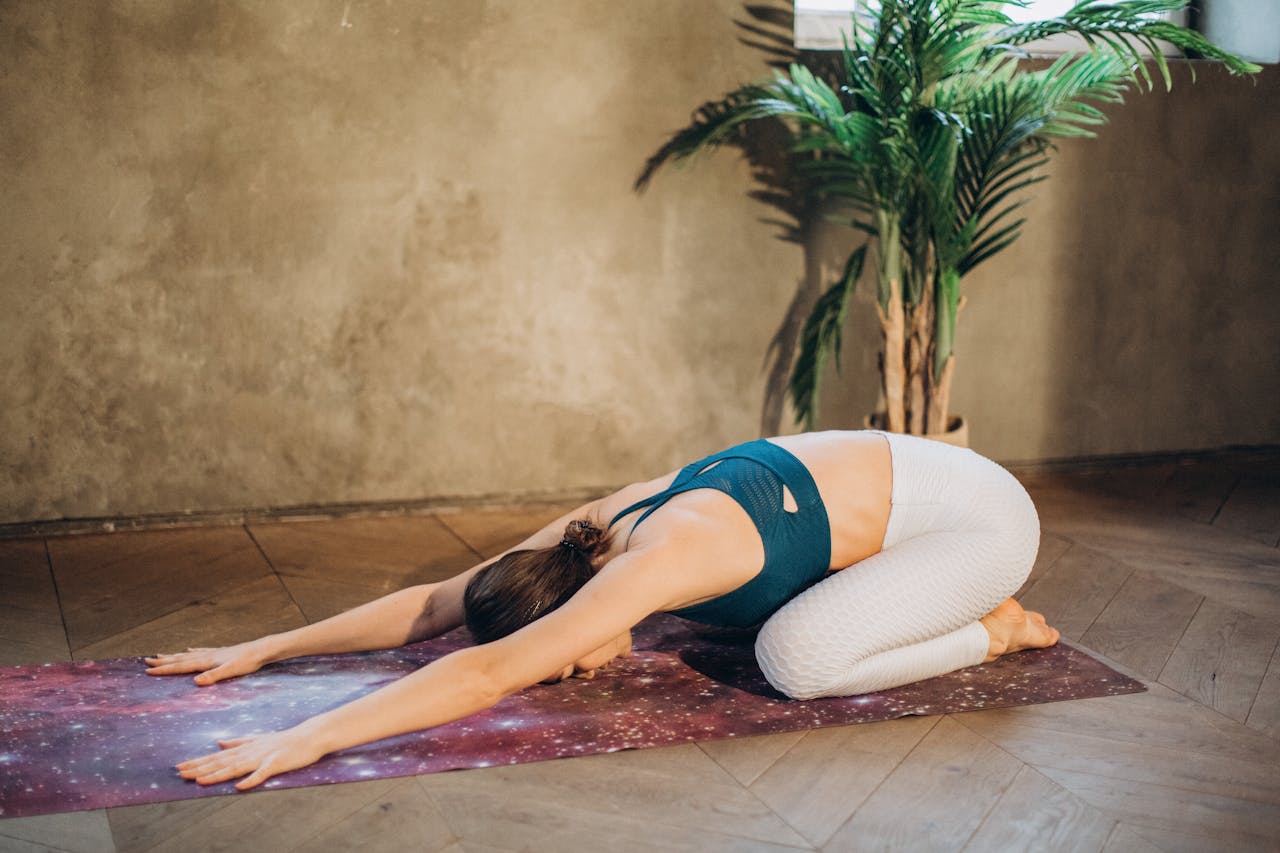
Meditation gets overwhelming when it turns into another thing to check off a list. The pressure to do it daily, to sit perfectly, to "feel something" right away - it’s a fast track to giving up. The better way in? Lower the stakes. Three minutes with closed eyes and a soft sound is still a win. Even just pausing to notice your breath while waiting for the kettle can count.
There’s no need to aim for a 20-minute silent session right out of the gate. It’s more useful to build a habit that feels doable than to chase an ideal you’ll end up avoiding. Use what works - music, visuals, movement, or voice. Let it feel good. Meditation isn’t about discipline for the sake of it. It’s a way to reset, not another task to perfect.

At Mesmerize, we designed the app to help people step into meditation without pressure or confusion. We focus on blending visuals, soundscapes, and narrations to make it easier for minds to settle and for calm to emerge naturally. Every feature we build, from visual breathing guides to ambient audio, is meant to give users a gentle anchor for their practice.
We made Mesmerize available on both iOS and Android so that meditation can fit seamlessly into any part of the day. We include quick presets for instant sessions, customizable breathing patterns, and immersive audio and visual environments to support focus, relaxation, or sleep. Our goal is to let meditation feel approachable, flexible, and tailored to individual needs.
We also prioritize simplicity and privacy. We don’t include ads or unnecessary tracking, and offline mode ensures the experience isn’t interrupted. Whether someone wants narration, music, or just visuals, we create tools that adapt to the moment - letting meditation feel natural rather than forced.
Those early days aren’t always smooth, and that’s okay. Meditation doesn’t kick in like coffee. It’s more like learning to float - you don’t always know it’s working until you stop fighting the water.
Here’s what tends to happen in the beginning:
So yeah, expect some awkwardness. But also expect tiny glimpses of calm. Those add up.
Meditation isn’t one-size-fits-all. What calms one person might make someone else feel restless, distracted, or even more tense. That’s completely normal. The key is finding an entry point that doesn’t feel like a struggle - something that fits the way the mind and body already work, instead of trying to force a different rhythm. Below are a few common styles people start with, and how they tend to feel in real life.
This is the one most people are introduced to first - just bringing attention to the inhale and exhale. Nothing fancy. No need to breathe in a special way. Just watching it happen.
It can be surprisingly calming once it clicks, but it also tends to surface mental chatter in the beginning. For some, that becomes frustrating. For others, it feels like a helpful anchor. If it makes you feel more agitated, don’t take that as failure - it just means another style might be better for now.
The body scan involves slowly moving awareness through the body - from the crown of the head all the way to the feet. The idea isn’t to fix or analyze anything, just to notice. That tension in the jaw, that warmth in the hands, that weird tightness behind the knees - all of it is information, and all of it can be observed without needing to react.
This is especially helpful at night or during anxious moments. When the mind feels chaotic, tuning into the body can be grounding in a way that words or breath sometimes aren’t.
Also known as metta meditation, this practice involves silently repeating gentle phrases like:
Later, those wishes can be extended to others - loved ones, strangers, even people you struggle with. It might sound awkward or overly sweet at first, but many find it shifts how they relate to themselves and others, especially when dealing with frustration or self-blame. The tone isn’t forced positivity - it’s more like softening the edges.
Not everyone connects with breath or words. Some find it easier to focus when there’s something visual or auditory to settle into - slow-moving patterns, ambient sounds, layered music, or soft narration.
These types of meditation can feel less “formal,” but they still help create space in the mind. Especially for people with ADHD, anxiety, or a constantly racing brain, having a steady sensory input makes it easier to stay present without overthinking it.
Meditation doesn’t have to mean sitting still. Walking meditation, mindful stretching, yoga, or even just slow dishwashing - any of these can be a practice if attention is brought to the movement itself.
Notice how the feet hit the floor, how the arms feel as they move, how the breath syncs up. This style can be helpful when restlessness makes stillness feel impossible, or when the body needs to be part of the process too.
The best style is the one that makes you want to come back. If something feels too rigid or awkward, skip it and try something else. Meditation isn’t about getting it “right” - it’s about finding a path that actually works for the way your brain and body are wired today.

Most people don’t quit meditation because it’s hard. They quit because they think they’re doing it wrong. Here’s a look at the usual obstacles - and how to move through them without giving up.
This is the big one. People assume meditation means stillness - mentally and physically. So when thoughts keep racing, it feels like failure.
Some days feel too busy. Some nights feel too tired. And suddenly, meditation becomes that thing you meant to do.
You sit, you breathe, you wait for some shift… and all you feel is boredom or irritation.
The posture, the silence, the mindset… it can start to feel like a test.
The trick isn’t avoiding roadblocks - it’s learning to sit with them without letting them talk you out of trying. Let the process be flexible. Let it feel human.
The tricky thing about meditation is that it often works quietly. There’s no alert that pops up saying “calm mode unlocked.” Instead, it tends to sneak in sideways - in how you react to things, how long you stay irritated, or how fast you come back to center after getting thrown off.
You might still feel distracted during the actual session, but then catch yourself pausing before snapping in traffic. Or maybe something small that used to ruin your whole afternoon doesn’t hit quite as hard. Those are real shifts - not dramatic, but meaningful. That’s meditation doing its thing.
Sleep might come a little easier. Background tension might dial down just a bit. You might notice more space between thoughts, or at least more awareness of what’s swirling in your head. These moments don’t always feel impressive, but they add up. And if you're noticing them at all? That’s progress.

The fastest way to kill a meditation habit is to treat it like homework. If it turns into one more thing to “get through” or feel guilty about skipping, the brain will start dodging it. That’s normal. Nobody’s motivated by shame. The real trick is making the practice small enough, soft enough, and personal enough that it doesn’t trigger that quiet resistance.
It helps to drop the all-or-nothing mindset. No need to aim for the perfect streak or commit to the same style every single day. Let the practice fit the day. Some mornings might call for three minutes with a soundscape in bed. Other nights, maybe it’s just lying on the couch and watching your breath shift. Consistency doesn’t have to mean repetition - it can mean showing up, however you can, in whatever shape you’re in.
Anchor it to something real. A moment that already exists in your day - waiting for your coffee to brew, sitting in the parked car before going inside, curling up before sleep. The more effortless it feels to start, the more likely it is to happen again tomorrow. And once it becomes part of your rhythm, the practice starts to carry itself.
For beginners, meditation is less about perfection and more about presence. Minds wander, schedules get busy, and some days feel harder than others - and that’s exactly the point. The practice grows through showing up, experimenting with different approaches, and noticing even the tiniest shifts in awareness.
Meditation doesn’t demand long sessions or strict routines; it thrives in small, gentle moments that fit naturally into the day. With tools that engage the senses and support focus, the process becomes accessible, flexible, and even enjoyable. Over time, calm settles in more easily, reactions soften, and the simple act of paying attention starts to ripple through other parts of life.
I canceled my subscription with Headspace and I now pay for Mesmerize instead. I was hooked after the free trial! I love how customizable the sounds, meditations, and visuals are! Using this app has honestly become my favorite part of my day! ☺️ It helps me relax, meditate, visualize, sleep, and it does wonders for my anxiety/phobia/ocd tendencies. Thank you Mesmerize for giving us this amazing mental health tool! I told my therapist about this app and have been telling all my friends too. It’s just so helpful!
This is the second or third app in the mindfulness and meditation realm, and it’s the most scientific approach I have found. I have found these combinations of open monitoring, and focused attention meditation techniques are the most viable for those suffering from more severe forms of sleep, pain, and anxiety dysfunction one may be suffering from. Many of these approaches are used by professionals in a cognitive behavioral therapy setting. A truly complete approach in mindfulness and meditation.
I suffer from clinical depression and sometimes I get into a bad headspace but this app has really helped me whenever I’m in a bad mood I turn on the app listen to some person taking about breathing and look at cool figures on my phone and it makes me feel so much better I would highly recommend this app it’s worth the money
It didn’t take but five minutes of using this app to buy a yearly subscription. Worth it on so many levels. Easy to manipulate to what I like. Massive library of music, videos, etc.
Clear your mind and relax with a unique audio visual meditation experience.


.jpeg)
.webp)
.webp)


