Short daily meditation can ease stress, calm the mind, and improve focus. Here’s how 10 minutes a day can make a real difference.
.webp)
Ten minutes doesn't seem like much. It’s one scroll, one podcast ad, one distracted wander into the fridge. But when those ten minutes are spent sitting still - with the eyes soft, the breath steady, and nothing to fix or chase - they start to feel different. Something shifts. The nervous system exhales. Focus creeps back in. And stress, which felt like background noise a moment ago, suddenly has a little less grip.
This isn’t about becoming calm forever or doing something perfectly. It’s about finding a small, repeatable way to come back to yourself - even on loud, uneven days. Ten minutes might be enough.
The nervous system doesn’t need a weekend retreat to reset. Sometimes it just needs ten quiet minutes without input - no tabs open, no scrolling, no trying to keep up. That small pause, if done consistently, can start to shift things. The breath slows. Muscles that have been tight for hours begin to let go. The background noise in the mind gets quieter, even if just a little. It’s not magic, it’s biology - those few minutes help activate the body’s rest system, the part designed to bring everything back into balance.
Even when the schedule’s packed or the brain feels too scattered to sit still, ten minutes is doable. That’s why it works. It’s short enough not to feel like another thing on the list, but long enough to signal to the body: it’s safe to soften. No fancy poses or gear needed. Just a spot to sit and something steady to return to - like the breath, a sound, or even a slow visual. The benefits don’t always announce themselves right away, but over time, that small daily shift adds up.

You don’t need the perfect mood or the perfect setup. Just enough quiet to hear yourself breathe. Here’s one way to ease into it - no pressure, no performance:
It doesn’t need to feel profound. It just needs to happen. Ten quiet minutes today. Maybe again tomorrow. That’s enough.

At Mesmerize, we designed the app for people who need something more than silence. Instead of asking the mind to sit still in a blank space, we offer it a visual rhythm to follow - slow-moving patterns that sync with breath, layered with immersive soundscapes and optional narration. It’s a sensory experience that helps the body unwind without forcing focus.
We made every part of Mesmerize customizable. Users can choose a voice they like, adjust the speaking pace, or turn off narration completely. Breathing patterns are flexible and sync directly with the visuals on screen. Whether someone wants a guided reset or just a quiet space with movement and sound, the app adapts to fit.

Mesmerize is available on both iOS and Android, with full offline access once content is downloaded. We don’t run ads, we don’t track behavior, and we don’t interrupt the session. Everything we build is meant to lower friction - so it’s easier to sit down, press play, and find calm.
The length of a session doesn’t define its value. Some days, five minutes feels like a lifeline. Other days, ten minutes gives the mind enough room to settle without rushing. The difference isn’t about which one is better - it’s about what fits, what feels possible, and what actually helps. Here’s how they compare, depending on what the moment asks for.
This is the softest entry point. Five minutes is short enough to sneak into almost any break - between emails, during a commute, after closing a few too many tabs. It works especially well for people who feel overwhelmed or new to stillness. There’s no pressure to go deep. It’s just about pausing, catching the breath, and letting the nervous system shift gears, even briefly.
Ten minutes gives a little more space for the mind to stop racing and for the body to soften in layers. It’s enough time to notice what’s actually going on internally - without needing to rush through it. For people looking for more noticeable effects, this length tends to bring a deeper reset. It’s especially helpful before sleep, after long meetings, or any time the day feels heavy.

There’s no one-size-fits-all. The best time is the one that quietly keeps pulling you back. Still, the rhythm of the day can shape the kind of stillness each session brings. Here's how different times can feel.
Mornings carry a kind of softness - before the tabs open, before the feed scrolls. A short session here doesn’t have to fix anything. It simply becomes a starting point that helps the rest of the day unfold with a bit more space.
Somewhere between meetings or messages, attention gets stretched thin. Ten minutes here acts like a gentle reboot. Not to shut everything off - but to clear enough mental noise to come back with more focus and less tension.
The body can’t relax on command. But it can respond to cues. A short meditation before bed works like one of those cues - a way to tell the nervous system, “you’re done now.” It can soften the day’s buildup and make space for actual rest.
Ten minutes doesn’t seem like a lot - until you’re actually sitting in it. That’s when you realize how long a minute feels when there’s nothing to scroll, fix, or finish. And that’s kind of the point. In those ten minutes, the body starts to notice the breath again. Muscles soften. The mind begins to move from scattered to steady, even if just a little. It’s not about unlocking instant peace. It’s about giving the nervous system a consistent space to land. Ten minutes is enough to start shifting patterns.
If the body asks for more, let it. Some days, ten will feel like just the beginning. You might stay longer. You might not. Either way, there’s no badge for going deeper and no failure in keeping it short. What matters is that you return. Over time, those ten-minute sessions start stacking - creating a kind of quiet memory in the system. So even when the world pulls hard, the pause feels familiar. And if someday ten turns into fifteen or twenty, great. But it never has to.
Missing a day isn’t the end of the habit. It’s part of it. Some mornings move too fast. Some evenings get swallowed whole. The point isn’t to meditate every day forever without slipping - the point is to notice when you’ve drifted and come back gently. That return is the practice, not the punishment.
There’s no need to “make up” for missed time or sit longer the next day. Just sit. Even if it’s only for a minute. The nervous system doesn’t need perfection to respond - it needs consistency over time, even if it’s a little uneven. What matters most is that the pause still feels familiar, and that you keep making space for it again. No guilt required. Just breath, and begin again.
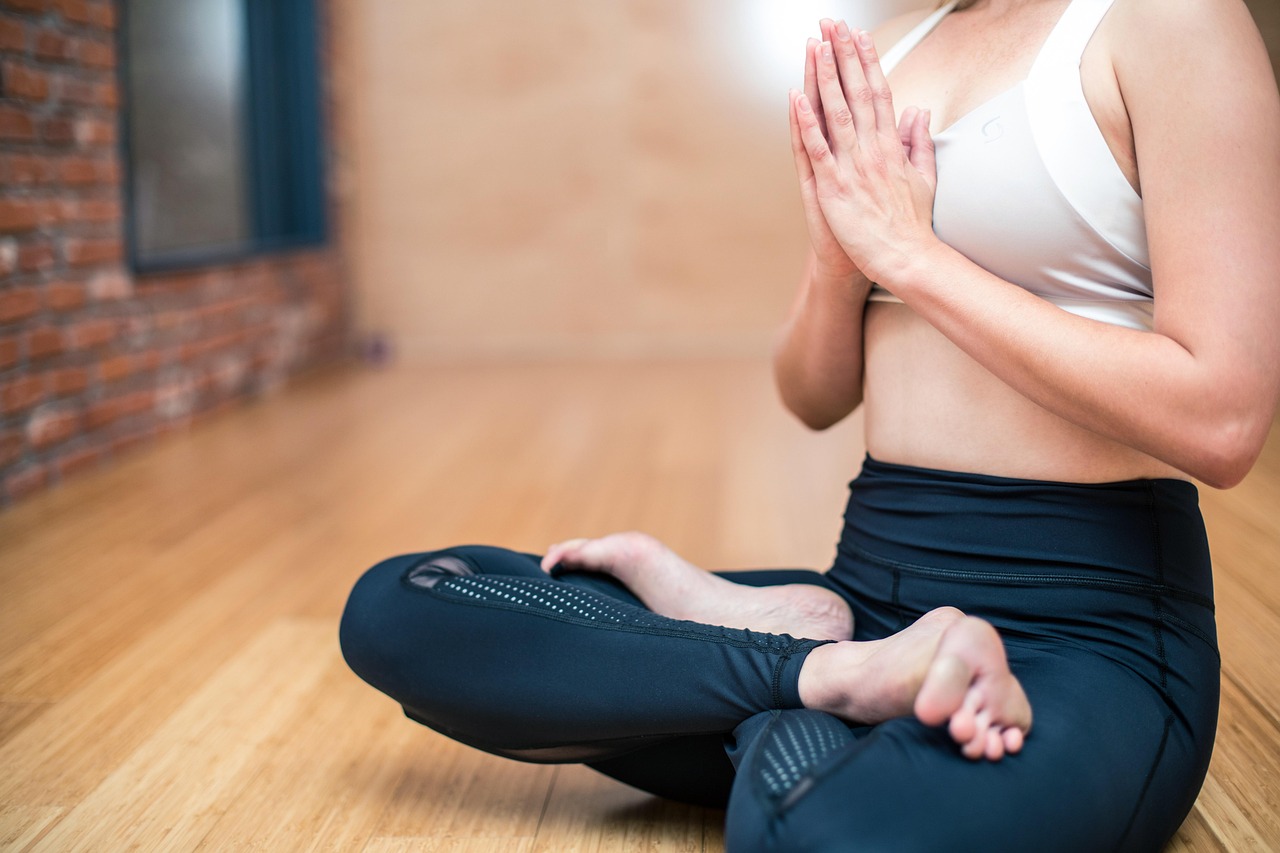
Some days, attention refuses to stay put. The body fidgets, thoughts race, and the breath barely registers. It’s easy to assume something’s wrong - but it isn’t. Wandering is part of the process. The key is having something steady to return to when focus slips (which it will). Here are a few anchors that help bring the mind back - without force, and without judgment:
There’s no need to “win” at focus. Every time you return, even after drifting, you’re reinforcing the habit. And that’s more than enough.
Ten minutes can go by without you even noticing - lost in notifications, noise, or just trying to keep up. But the same ten minutes, spent sitting still, noticing breath, letting the system slow down, can feel completely different. Not dramatic. Not life-altering on the spot. But quieter. Lighter. More like yourself, with a little more room to breathe.
There’s no secret method here. No checklist to hit. The practice works because it’s simple - and because it’s something you return to, even when the day gets uneven. Maybe that’s the shift. Less striving, more presence. Just ten minutes, again tomorrow.
I canceled my subscription with Headspace and I now pay for Mesmerize instead. I was hooked after the free trial! I love how customizable the sounds, meditations, and visuals are! Using this app has honestly become my favorite part of my day! ☺️ It helps me relax, meditate, visualize, sleep, and it does wonders for my anxiety/phobia/ocd tendencies. Thank you Mesmerize for giving us this amazing mental health tool! I told my therapist about this app and have been telling all my friends too. It’s just so helpful!
This is the second or third app in the mindfulness and meditation realm, and it’s the most scientific approach I have found. I have found these combinations of open monitoring, and focused attention meditation techniques are the most viable for those suffering from more severe forms of sleep, pain, and anxiety dysfunction one may be suffering from. Many of these approaches are used by professionals in a cognitive behavioral therapy setting. A truly complete approach in mindfulness and meditation.
I suffer from clinical depression and sometimes I get into a bad headspace but this app has really helped me whenever I’m in a bad mood I turn on the app listen to some person taking about breathing and look at cool figures on my phone and it makes me feel so much better I would highly recommend this app it’s worth the money
It didn’t take but five minutes of using this app to buy a yearly subscription. Worth it on so many levels. Easy to manipulate to what I like. Massive library of music, videos, etc.
Clear your mind and relax with a unique audio visual meditation experience.


.jpeg)