Explore the real benefits of meditation for stress, focus, sleep, and emotional balance, backed by science and everyday experience.
.webp)
Meditation has gradually become a part of everyday life for those looking to feel more settled, focused, and at ease. Some begin with stress that won’t release. Others arrive after too many nights of poor sleep or a growing sense that attention and emotions feel harder to manage. What often starts as a quiet experiment turns into something practical. A pause. A reset. A moment to notice what’s happening before reacting to it.
The benefits aren’t distant or mysterious. With regular practice, meditation gradually shifts how the mind responds to tension, how the body processes pressure, and how focus holds throughout the day. It doesn’t erase challenges, but it loosens their hold. For many, the process becomes less about doing it perfectly and more about making room - to breathe, to notice, to meet daily life with more steadiness.

There’s a reason meditation feels different - and it goes beyond wishful thinking. When someone sits with the breath, a point of focus, or even a simple visual, the nervous system begins to downshift. The stress loop eases. Heart rate slows. Cortisol levels start to settle. That constant stream of reacting, checking, overthinking quiets - sometimes just for a few minutes. But even that is enough to begin reshaping how the brain processes tension, emotion, and attention.
Where ancient practices saw stillness as a path to deeper insight, today’s research captures the same shift in brain scans and biometrics. Different frameworks, same pattern: meditation gradually reorients how the mind meets each moment. It doesn’t remove what’s hard. It softens the edges, making space for response instead of reaction. That’s the real change - not escape, but clarity.

We built Mesmerize for the moments when sitting still and “clearing the mind” simply doesn’t work. Instead of forcing silence, we designed the experience around motion. The visuals aren’t decoration - they’re the anchor. Slow, fluid patterns guide attention gently, giving the mind something soft to follow while the body naturally begins to settle.

From the start, we wanted the app to feel quiet in every sense. Mesmerize works on both iOS and Android and supports full offline use once sessions are downloaded. There are no ads, no tracking, no interruptions pulling attention away. Everything - from the interface to the soundscapes - is intentionally minimal. Users can choose a voice or turn narration off completely, adjust pacing, change background audio, or focus purely on visuals and breath. The experience adapts, without asking for effort.
We designed Mesmerize to fit into real life - early mornings, late nights, anxious afternoons, and all the in‑between moments. It’s not about doing meditation “right.” It’s about offering a tool that meets people where they are, every time they open the app, and helps them pause without pressure.
Not every shift needs a dramatic before-and-after. Some of the most meaningful effects of meditation arrive quietly - a better night’s sleep, one less argument, a moment of clarity that stops the spiral. With even a few minutes a day, many begin to notice things feel more manageable. Not perfect - just a little less overwhelming. Here’s a closer look at the real-world benefits that science and lived experience continue to confirm.
Chronic stress disrupts nearly everything: sleep, digestion, focus, and mood. Meditation doesn’t eliminate stressors, but it changes how the nervous system responds. Rather than staying locked in fight-or-flight, the body becomes better at shifting into rest and repair.
Anxiety, irritability, low mood - none of these vanish overnight. But meditation can widen the gap between emotion and reaction, offering just enough room to respond more gently when things feel intense.
In a world full of pings and distractions, attention is constantly pulled elsewhere. Meditation builds the muscle of awareness - practicing how to hold focus, notice when it drifts, and bring it back gently. That pattern becomes second nature.
Neuroplasticity doesn’t pause in adulthood. Meditation engages it. Over time, the brain begins rewiring itself - strengthening pathways that support decision-making, clarity, and present-moment awareness.
Meditation isn’t designed to be a quick fix - and that’s part of its strength. What starts as a few minutes of pause becomes a foundation for navigating setbacks, stress, and shifting life moments. Control doesn’t increase - but capacity does.
When the mind stays busy, sleep doesn’t come easily. Meditation helps slow the internal pace just enough for the body to follow. No elaborate routine required - just regular practice that signals it’s safe to release the day.
Pain itself may not disappear, but meditation shifts how the brain processes it. When sensation is observed without added resistance, the feedback loop of tension, fear, and stress starts to unwind.
Stress suppresses immune function, especially when it drags on for weeks or months. Meditation helps quiet that internal pressure, giving the body more room to restore balance and respond effectively.
Meditation isn’t anti-aging in the glossy sense, but it may help the body age with more resilience. Ongoing stress speeds up cellular decline. Meditation appears to buffer that process.
One quiet shift that often surprises people: they start seeing themselves more clearly. Not through judgment, but through presence. Patterns get easier to spot - and to shift - without spiraling into overthinking.

Meditation isn’t one-size-fits-all. Some styles help quiet a racing mind. Others support focus, soothe burnout, or simply offer something for the body to do when stillness feels out of reach. Here’s a simple guide to help narrow it down:
There’s no right answer - just the practice that feels most accessible. The one they return to is the one that starts to help.
Some days, balance means not snapping back. Other days, it’s just remembering to pause before reacting. Meditation creates that space - small at first, but powerful over time. With steady practice, the pause becomes familiar. Emotions don’t disappear, but they start to feel less like waves that knock everything over and more like something to move through without losing ground.
Beyond daily regulation, something quieter can unfold. As attention keeps returning to breath, sensation, or silence, the layers beneath start to reveal themselves - habits, stories, resistance. Meditation doesn’t need to be framed as spiritual, but it often becomes deeply personal. Noticing what shows up becomes its own kind of insight. Not because it’s being chased, but because space is finally there for it to surface.
This kind of growth rarely announces itself. No milestones. No breakthroughs. Just a little more patience than before. A quieter reaction. A sense that, even when things feel messy, something steady remains underneath - and they’re learning how to rest in it.
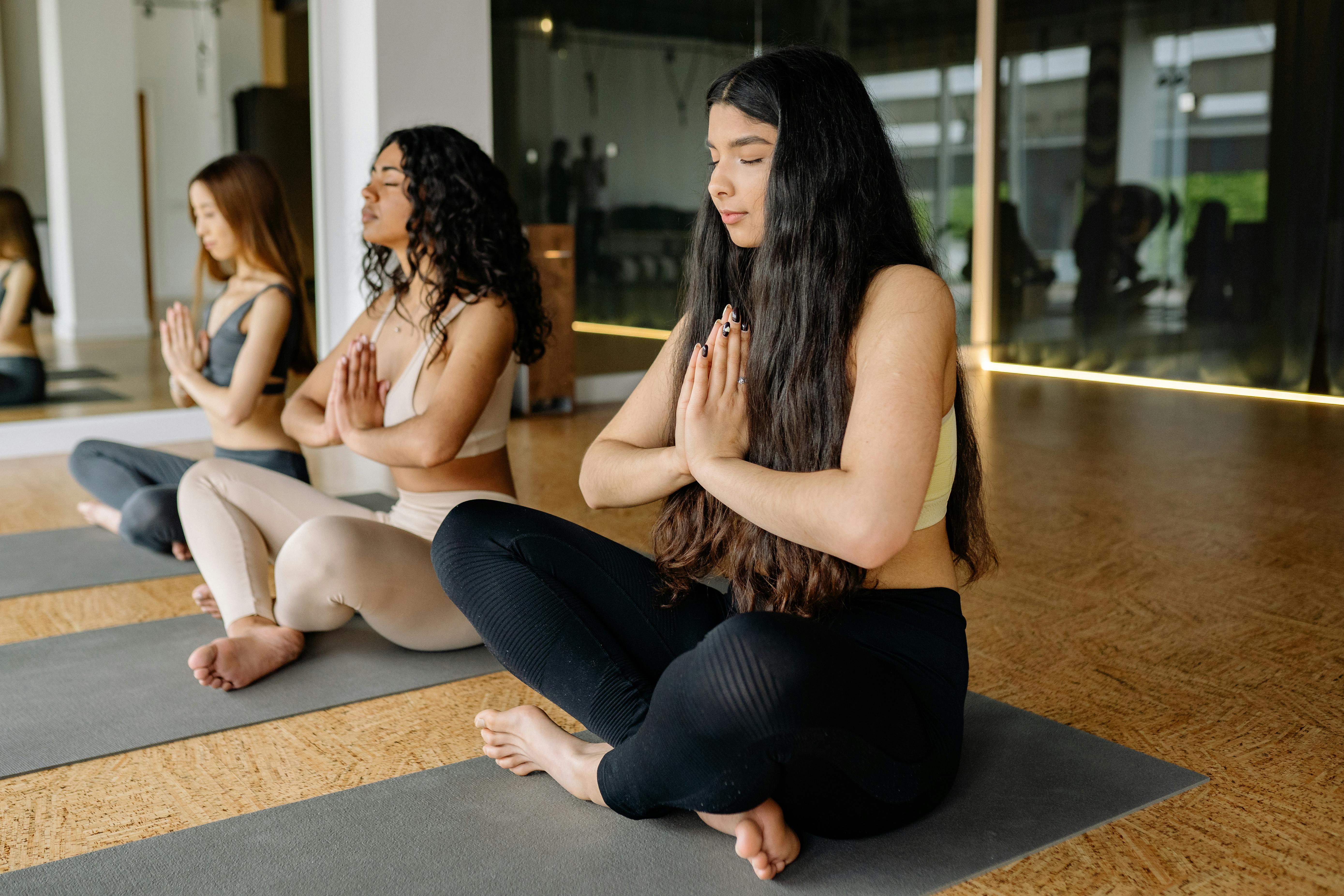
Trying meditation once is easy. Coming back to it the next day - or the next time things feel hard - is where it starts to matter. Starting isn’t the challenge. Returning is. What helped most weren’t big breakthroughs, but quiet changes that made the habit feel natural, not forced.
Waiting for a perfect mood or a full 20 minutes usually means waiting forever. A few minutes - just enough to pause and breathe without pressure - was what made it feel manageable. Short sessions didn’t feel like another task. They felt like a soft reset.
Mornings moved too fast. Evenings were unpredictable. So they chose in-between moments - after brushing teeth, before checking messages, during coffee. The timing didn’t have to be perfect. It just needed to repeat often enough that the body started expecting it.
Quick access helped the most. Offline mode. A saved track. A familiar visual. The fewer the steps, the more likely the practice actually happened. Having go-to favorites ready removed the need for decision-making.
Some days, meditation felt like the last thing anyone wanted to do. But those turned out to be the days it helped the most. Even if it was just sitting with the breath and letting the moment be messy. It didn’t have to feel right. It just had to happen.
The shift doesn’t show up with fanfare. But one day, something small changes - less tension in a conversation, deeper sleep, a reaction that felt a little softer. That’s the sign it’s working. Not because it’s perfect. But because it’s quietly shaping how they move through life.
The effects of meditation rarely arrive with a headline. They tend to settle in quietly - like falling asleep without reaching for a screen, or moving through the day without carrying tension from one moment to the next. It’s not about becoming someone new. It’s about creating room for who’s already there to breathe with a little more ease.
Some begin for the calm. Others for the clarity. Often, it’s just the pause between everything else. The routine doesn’t need to look impressive. It only needs to feel steady enough to return to. And if that starts with two quiet minutes watching color shift across a screen while the chest loosens - that’s already something. That’s already enough.
I canceled my subscription with Headspace and I now pay for Mesmerize instead. I was hooked after the free trial! I love how customizable the sounds, meditations, and visuals are! Using this app has honestly become my favorite part of my day! ☺️ It helps me relax, meditate, visualize, sleep, and it does wonders for my anxiety/phobia/ocd tendencies. Thank you Mesmerize for giving us this amazing mental health tool! I told my therapist about this app and have been telling all my friends too. It’s just so helpful!
This is the second or third app in the mindfulness and meditation realm, and it’s the most scientific approach I have found. I have found these combinations of open monitoring, and focused attention meditation techniques are the most viable for those suffering from more severe forms of sleep, pain, and anxiety dysfunction one may be suffering from. Many of these approaches are used by professionals in a cognitive behavioral therapy setting. A truly complete approach in mindfulness and meditation.
I suffer from clinical depression and sometimes I get into a bad headspace but this app has really helped me whenever I’m in a bad mood I turn on the app listen to some person taking about breathing and look at cool figures on my phone and it makes me feel so much better I would highly recommend this app it’s worth the money
It didn’t take but five minutes of using this app to buy a yearly subscription. Worth it on so many levels. Easy to manipulate to what I like. Massive library of music, videos, etc.
Clear your mind and relax with a unique audio visual meditation experience.

.jpeg)