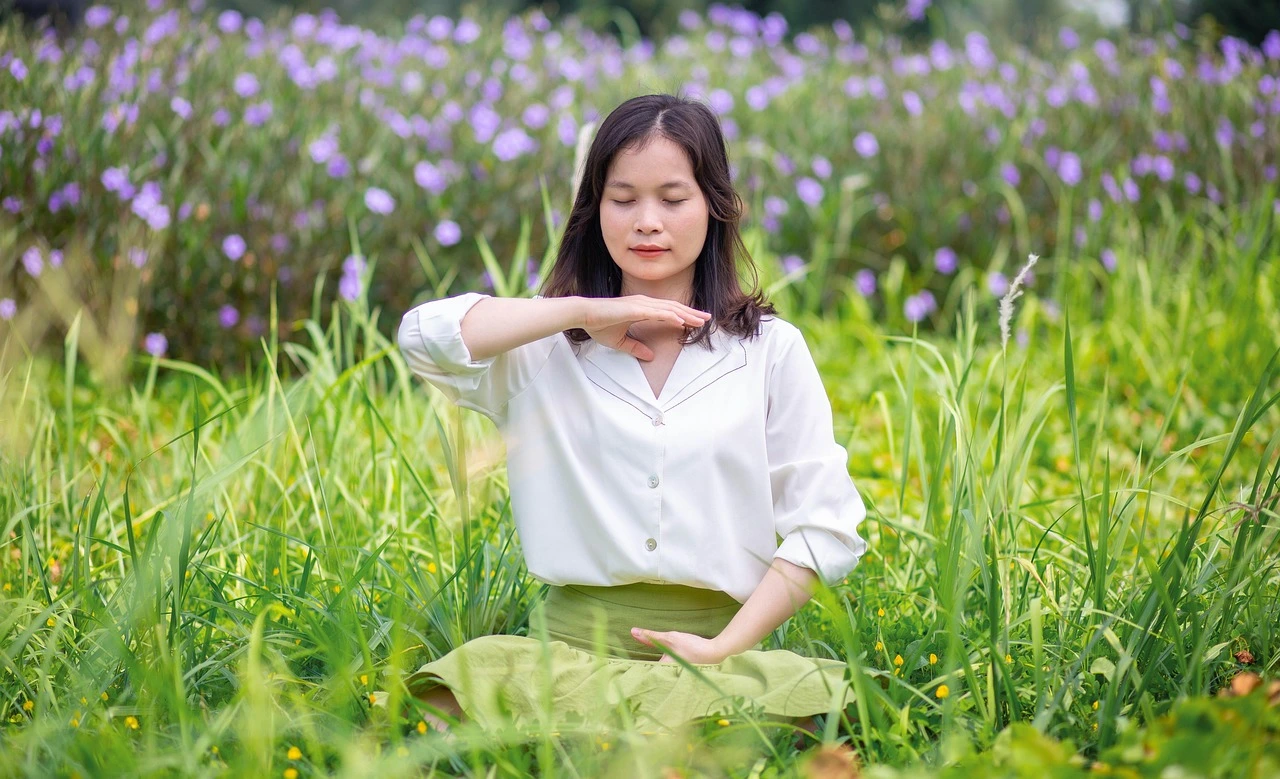
Learn how meditation actually works in real life. Practical guidance for beginners seeking more calm, better rest, and a bit more space in their day.
.webp)
Meditation doesn’t have to look like silence, stillness, or a mind free of thought. That image exists but it’s not the only one. Most people begin expecting a kind of emptiness they’re supposed to create. When that doesn’t happen, they assume it’s not working.
But what usually helps isn’t effort or control. It’s space. A few breaths. A few minutes. A moment of attention that shifts the pace of everything else. Meditation, for most, starts with noticing - then returning. And once that rhythm is familiar, it often shows up outside the practice too. In slower reactions. In quieter evenings. In the gap between impulse and response.
The word gets used a lot but often in ways that make it feel unreachable. Like it requires a perfect room, a specific cushion, or a brain that doesn’t interrupt itself. For some, those things help. But for many, they become a reason not to start.
At its core, meditation isn’t about silence or discipline. It’s not about mastering stillness or achieving clarity. It’s about attention - the kind that’s often missing during most of the day. The kind that notices a held breath, or a thought loop, or the way the shoulders rise when things feel tense.
And it helps to be clear about what meditation isn’t:
It’s just a practice of gently bringing attention back - to the breath, to the body, to a visual, a sound, a small focal point. Distraction isn’t a mistake. It’s expected. Returning is the practice.
For many, meditation feels like lowering the volume on everything competing for attention. The background hum quiets, just enough to notice something underneath. Sometimes that stillness happens in silence. Other times, it’s found through gentle visuals - soft motion, colors, patterns or steady sounds that hold attention without asking for too much.
There’s no single right way to do this. The goal isn’t transformation. It’s presence. Not becoming someone else - just learning how to sit with what’s already there.

At Mesmerize, we designed the experience around one idea: giving the mind something gentle to focus on. Instead of asking users to sit perfectly still or clear their thoughts, we offer animated visuals that move just enough to hold attention without forcing it. Paired with ambient sound or calming narration, each session becomes less about effort and more about softening into stillness.
We’ve built Mesmerize to be deeply customizable. Users can adjust the voice, pacing, background music, or turn off narration entirely. Breathing animations can be added when needed. Some use it before sleep, others during moments of overwhelm. The goal is always the same: to let the session fit how they feel, not the other way around.

Mesmerize runs on both iOS and Android, works fully offline, and integrates with Apple Health or Google Fit to track mindful minutes. There are no ads, no invasive permissions, and no clutter - just a clean, quiet space to come back to. It’s a visual way to reconnect that meets people where they are.
Meditation doesn’t require special gear, long training, or a perfectly quiet space. What it often does need is a few minutes, a little curiosity, and a willingness to sit with whatever’s already there - even when that feels a bit tangled. For many, starting is less about structure and more about removing the pressure to “get it right.”
It doesn’t need to be a dedicated space. A chair, a couch, a patch of floor, or a bench outside can work. Some sit up. Others lie down or lean into a wall. The key is support and stillness - enough to stay present without strain. Posture isn’t the point. Comfort is.
There’s no one way in. Some close their eyes. Others keep them softly open. Some settle into silence. Others use a voice, a soundscape, or visual breathing cues. Movement on the screen, layered audio, even soft background noise - all of it can help. The only thing that matters: if it supports settling, it’s valid.
Short sessions often help at first - two to three minutes can already shift something. There’s no need to commit to long blocks. The rhythm usually finds its way. Sometimes it’s a timer. Sometimes it’s just sitting with the app open and ending naturally when it feels right. No stopwatch required.
The mind will drift. That’s part of how it works. Meditation isn’t about stopping that movement - it’s about noticing it, then gently returning. Maybe to the breath. Maybe to a sound. Maybe to something visual on the screen. That small act of returning is the practice. Not a problem. Just a rhythm.
There’s no need to snap back into high gear. The final moment can hold just as much as the rest. A stretch. A breath. A quick scan of the body or a pause before moving on. That space after a session is part of the experience - not separate from it.
Meditation doesn’t have to be profound. It doesn’t need to feel dramatic or even especially calm. Most days, it’s more like brushing the inside of the mind - something small, repeated, and surprisingly helpful over time. And the more often they return, the easier it becomes to begin again.
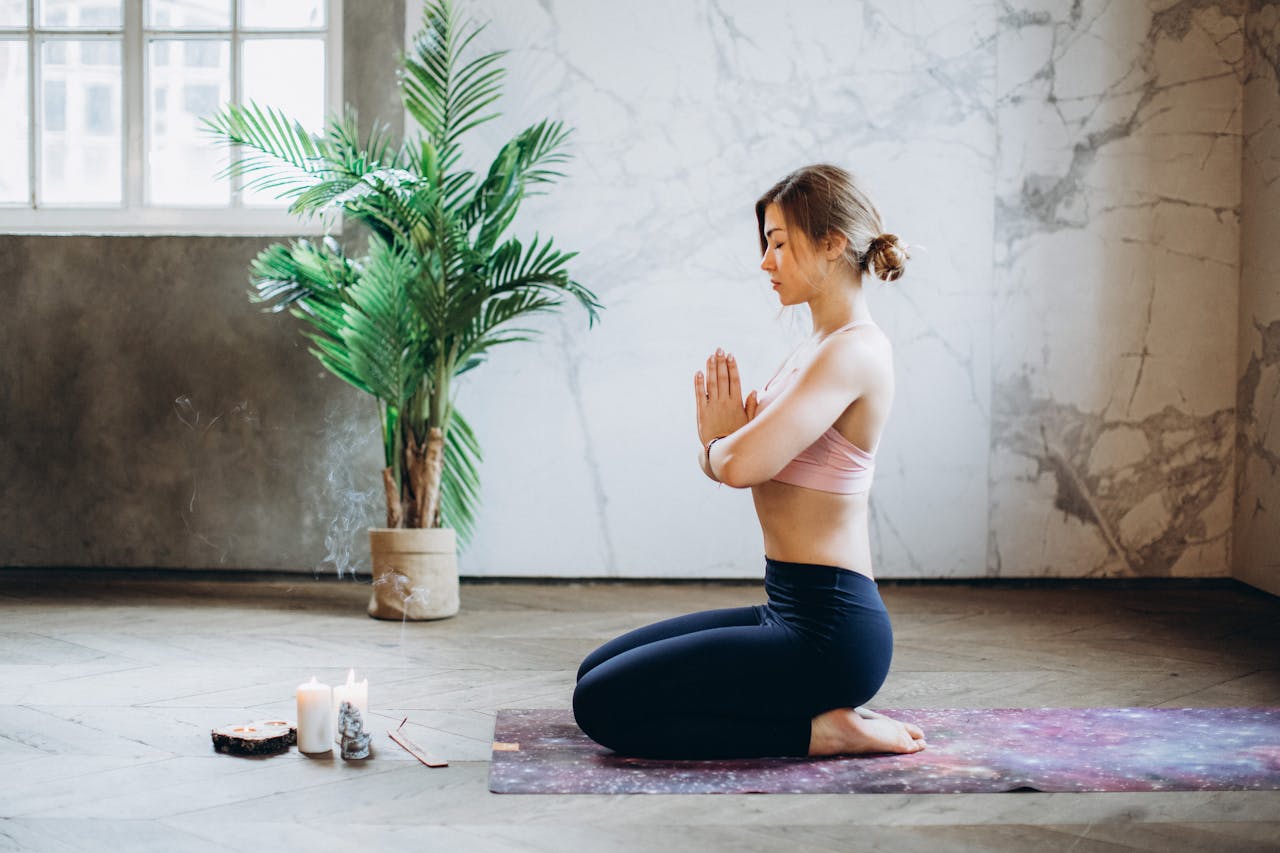
There’s no magic number when it comes to meditation minutes. Some days, three is more than enough. Other times, the practice stretches out naturally because something about it feels good to stay with. But when starting out, shorter is often better. Long sessions can come later. What makes a difference early on is frequency, not duration.
Even a minute or two can create a shift. It’s less about chasing stillness and more about creating space - one small pause between everything else. If that pause lasts ninety seconds and helps reset the nervous system, it counts. No one’s measuring. Some prefer timers. Others don’t. In many cases, the most grounding sessions end sooner than expected - just enough quiet to change the direction of the day.
Consistency tends to build more than length. Meditating for five minutes daily does more over time than twenty-minute sessions once in a while. And once the practice becomes part of the routine - like brushing teeth or settling in before sleep - longer sits happen naturally. No pressure. No productivity mindset. Just small, repeated returns.
Not every meditation style suits every nervous system. That’s not a problem - it’s a strength. Some ground best in breath. Others need movement, music, or something visual to anchor attention. The aim isn’t to pick the “right” one. It’s to notice which approach helps settle things. Below are a few styles that many come back to - depending on what kind of focus the day calls for.
The most stripped-back option. No sound. No visuals. Just breath. Inhale, exhale, and the space in between. The rhythm might feel like waves - predictable, steady, sometimes surprising. Thoughts will interrupt. That’s fine. The practice is in noticing and returning, again and again.
For those days when the mind won’t stop moving, a calm voice can help. Gentle prompts create structure and help hold focus, especially when things feel scattered. With guided sessions, there’s no need to lead. Just listening can be enough. Especially helpful when starting out or during anxious moments.
This is where Mesmerize comes in. Instead of closing the eyes, the focus stays on gentle visuals - shapes, lights, and movement designed to slow the mind without demanding effort. For those who struggle with stillness or silence, this kind of visual anchoring can be a relief. The motion holds the focus when concentration is hard to come by.
Music, ambient tones, or nature sounds become the anchor here. Rain. Wind. Ocean. A low hum. There’s no voice. No steps. Just a single sensory layer to drop into. This approach is often helpful when silence feels too stark, but guided words feel like too much.
In this method, the mind follows a word, phrase, or sound - repeating it out loud or silently. The rhythm replaces internal noise, creating a kind of mental pacing. For some, this is especially grounding when the body feels restless or the mind won’t settle. Repetition becomes its own form of stillness.
There’s no rule about picking one and sticking to it. Some days call for silence. Others need sound, color, or voice. Let it shift. Let it reflect what’s needed in that moment - not what meditation is supposed to look like. That’s how the practice becomes something that actually lasts.
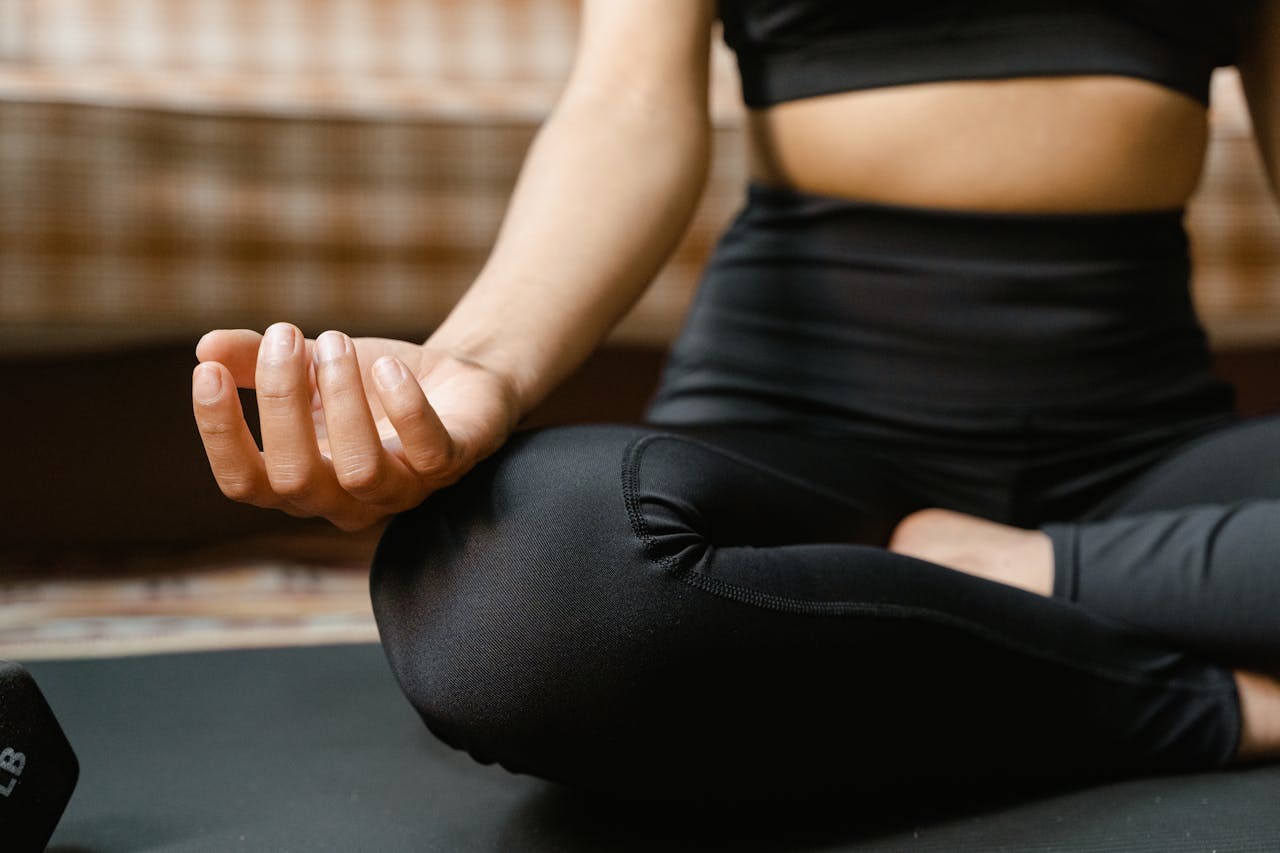
Meditation usually feels good during the practice but getting to that moment regularly can be its own challenge. Some days it slips the mind. Other days, there’s resistance without a clear reason. That’s part of it. Building a habit rarely depends on pressure or discipline. It’s more about quiet adjustments that lower the friction. Here’s what has helped them stay with it, without turning it into a task.
Building a habit isn’t about becoming someone else. It’s about clearing just enough space to return to the self - regularly, imperfectly, and with as little resistance as possible.
Every meditation practice runs into friction at some point. Thoughts get loud. The body won’t settle. The habit slips, even if the last session felt good. None of that means something is broken. It’s all part of learning what actually works and what needs to shift.
Here are a few common challenges and what tends to help.
The belief that meditation requires a blank mind is one of the most persistent myths. Thoughts happen - that’s what minds do. The practice isn’t about stopping them, but about recognizing when attention drifts and gently returning. That return is the practice.
Some days bring too much internal energy to sit still. Forcing stillness rarely helps, especially when the body is already tense or fidgety. Instead, movement can become part of the transition.
It’s one thing to meditate once. It’s another to remember again the next day. Fast routines often leave quiet practices behind - not out of avoidance, but because space disappears. Habit tends to settle in more easily when it’s gently tied to something already present.
Not every session feels meaningful. Many are quiet, flat, or full of mental static. That doesn’t mean they’re wasted. The effects often show up later - in shorter reactions, better sleep, or more space between thoughts.
Meditation isn’t about reaching a certain feeling or state. It’s about creating a space to return to - regardless of how things are going. That return, done gently, becomes the practice. The harder moments aren’t failures. They’re proof the work is happening.

There’s no fixed structure for how meditation should look and that includes how much guidance to bring in. Some practices are held by a voice. Others unfold in quiet. Both can be supportive, depending on what the moment calls for.
Guided meditation offers a soft container: steady narration, gentle cues, a rhythm that helps hold focus. It’s especially grounding when the mind feels scattered or when the practice is new and still taking shape. That presence of a voice, of direction - can make it easier to settle without overthinking the process.
Solo meditation is more open. No prompts. No narration. Just breath, body, sound, or visual whatever keeps attention steady. On some days, that space feels expansive and grounding. On others, it can feel like being dropped into stillness without a clear starting point. Not better. Not harder. Just different.
Most alternate between both. A voice in the morning, quiet visuals at night. Sometimes the nervous system asks for structure. Sometimes it asks for space. The goal isn’t to move from one toward the other - it’s to stay familiar with both, so there’s always something to return to. Whatever helps reconnect - that’s the right one to use.
Meditation doesn’t need to be silent, serious, or complicated. At its core, it’s the simple act of noticing - breath, thought, sensation and not rushing past it. Whether lying on a couch with headphones or watching soft visuals swirl across a screen, the shift begins when presence replaces effort.
Some days it lands easily. Other days it doesn’t. That’s part of the rhythm. The practice isn’t about control - it’s about return. Each time attention comes back, something quiet builds: a bit of internal space that begins to travel with them.
Eventually, that space starts appearing elsewhere - mid-traffic, before a difficult word slips out, or in the restless hours of night. And that’s when the practice begins to feel real. No need to wait for the right mindset, the perfect setup, or total calm. The invitation is simple: start small. Keep it soft. Let the practice adapt to them, not the other way around.
I canceled my subscription with Headspace and I now pay for Mesmerize instead. I was hooked after the free trial! I love how customizable the sounds, meditations, and visuals are! Using this app has honestly become my favorite part of my day! ☺️ It helps me relax, meditate, visualize, sleep, and it does wonders for my anxiety/phobia/ocd tendencies. Thank you Mesmerize for giving us this amazing mental health tool! I told my therapist about this app and have been telling all my friends too. It’s just so helpful!
This is the second or third app in the mindfulness and meditation realm, and it’s the most scientific approach I have found. I have found these combinations of open monitoring, and focused attention meditation techniques are the most viable for those suffering from more severe forms of sleep, pain, and anxiety dysfunction one may be suffering from. Many of these approaches are used by professionals in a cognitive behavioral therapy setting. A truly complete approach in mindfulness and meditation.
I suffer from clinical depression and sometimes I get into a bad headspace but this app has really helped me whenever I’m in a bad mood I turn on the app listen to some person taking about breathing and look at cool figures on my phone and it makes me feel so much better I would highly recommend this app it’s worth the money
It didn’t take but five minutes of using this app to buy a yearly subscription. Worth it on so many levels. Easy to manipulate to what I like. Massive library of music, videos, etc.
Clear your mind and relax with a unique audio visual meditation experience.


.jpeg)