Mindfulness helps kids handle emotions, sleep better, and calm down. Here's how to make meditation part of everyday life without forcing it.
.webp)
Children pick up on more than people think. When emotions start building or overstimulation hits, they often don’t have the words to explain what’s wrong - they just feel it. Meditation gives them a simple way to slow down, reconnect with their body, and build habits that can stay with them for life. It doesn’t have to be quiet or perfect. It just has to feel safe.
Kids aren’t just smaller versions of adults. Their worlds feel bigger, louder, and more intense - and they’re still figuring out how to process it all. One minute they’re giggling on the floor, the next they’re melting down because a sock doesn’t feel right. It’s not drama - it’s nervous system overload. That’s where meditation can quietly step in and help.
It’s not about getting them to sit still with eyes closed for twenty minutes. It’s about giving them a tool they can actually use when things feel like too much. A way to slow the spin and notice what’s going on inside.
Here’s what a regular meditation practice can offer kids, even in short, playful doses:
There’s no need to “get it right.” Meditation for kids doesn’t have to be quiet, serious, or done on a schedule. It just has to feel grounding - something they can reach for when their world starts buzzing too loud.

At Mesmerize, we design meditation around how real attention works - especially for kids. Instead of asking them to sit still or stay focused, we offer gentle visuals and calming sounds that naturally hold attention without pressure. It’s a softer entry point into mindfulness, and for many children, that makes all the difference.
We built the app to be flexible. Families can adjust voice speed, change breathing patterns, or turn narration off completely. Some kids prefer just the visuals and soundscapes, and that’s okay. We don’t believe in one-size-fits-all sessions - we want them to feel personal and adaptable.

Mesmerize runs on both iOS and Android, and we’ve built it with privacy in mind. There are no ads, no hidden trackers, and we follow standards for data security. For us, it’s about creating a space that feels calm, safe, and easy to return to - especially when kids need a reset.
Meditation doesn’t have to be a big formal event with chimes and perfect silence. In fact, for kids, that kind of setup usually backfires. The goal isn’t to get them to “do it right” - it’s to help them feel calm, curious, and safe in their own body. That starts by meeting them where they are, not where adults think mindfulness is supposed to happen. Here’s how to ease into it in a way that feels natural, not forced.
Forget explaining “being present” or “clearing the mind.” For most kids, that’s abstract soup. But they do understand their bodies. Try anchoring their attention in something they can actually notice:
This kind of sensory focus keeps things grounded and makes meditation feel more like a game than a lecture.
Kids connect through imagination. That’s their superpower. So use it.
Build a tiny story: maybe they’re riding a cloud that drifts with each breath. Or they’re watching their thoughts float by like bubbles in a stream. There’s no right answer here - the goal is to spark just enough curiosity to get them to slow down for a minute.
And if they want to help make up the story? Even better.
Some kids won’t want to sit. That’s not resistance - that’s their body saying, “I need to process this through motion.” So follow that.
Try walking slowly together and naming what you hear. Or do a stretch and breathe moment where they reach up like a tree and drop their arms with a deep exhale.
Movement and mindfulness aren’t opposites. For a lot of kids, they’re the same thing.
Don’t start with ten minutes. Don’t even say “meditation,” if that word sounds too heavy. One minute of belly breathing with a stuffed animal rising and falling on their stomach is a perfect start. Even 30 seconds of noticing what color the sky is can be enough.
The key is consistency over length. And ideally, making it feel like a cool moment, not a chore.
Kids like having some control. It doesn’t have to be major - even small choices make a difference. Let them:
When kids have agency, they’re more likely to lean in.
Sometimes they’ll laugh. Sometimes they’ll fidget or open their eyes the whole time. That’s fine. Seriously. Meditation isn’t about being still - it’s about noticing.
If they’re showing up and engaging at all, that’s a win.
The smoother the invitation, the better it sticks. Keep it playful. Keep it light. The magic happens when meditation feels like something they want to return to - not something adults are making them do.
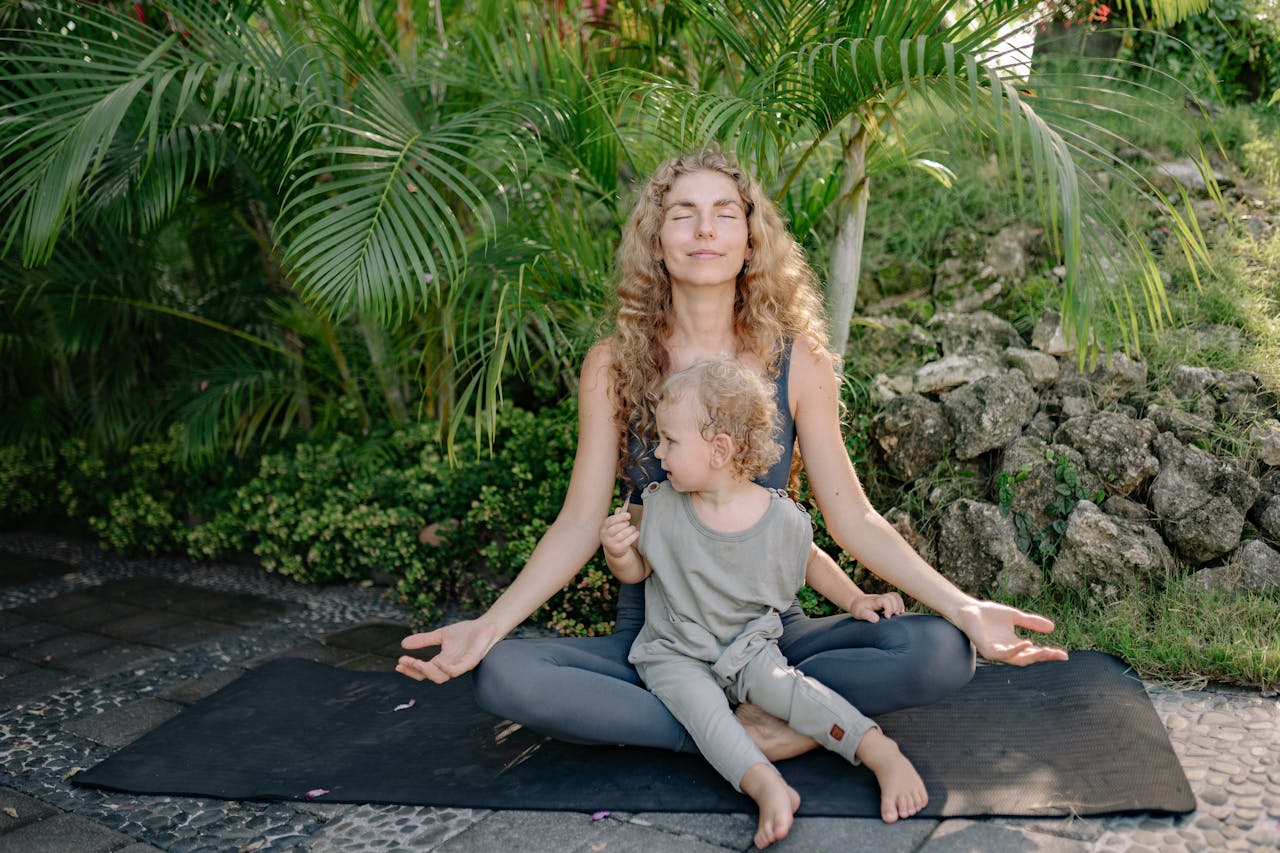
You can introduce meditation as early as age three - not because toddlers are ready to become tiny monks, but because they’re already wired to notice what’s right in front of them. A preschooler lying on the floor with a stuffed animal on their belly, matching their breath to its rise and fall? That’s mindfulness. The form doesn’t have to be perfect. What matters is the softness of the moment and the pattern it starts to build.
As kids grow, the way they engage with meditation shifts. A five-year-old might follow along with a short story or breathing game. By eight or nine, they might start exploring simple visualizations or quiet rest with music. But there’s no set timeline. Some kids take to it right away. Others need months of playful nudges. The main thing to expect? Wiggling. Questions. Maybe even a dramatic “this is boring.” All normal. The real work happens in the background - in those small pauses where something finally clicks and they feel a little more in tune with themselves.
Meditating with a child is not always peaceful. Sometimes it’s you sitting quietly while they narrate the entire plot of a cartoon. Sometimes they ask if you’re done yet - before you even start. That’s okay. The point isn’t perfection. The point is creating small, steady moments of calm that feel doable, not forced.
Here are some low-pressure ways to make it work in real life:
Meditation doesn’t need to feel like another task. It can be a soft pause, a shared exhale, a little reset you both return to - not because you have to, but because it actually feels good.
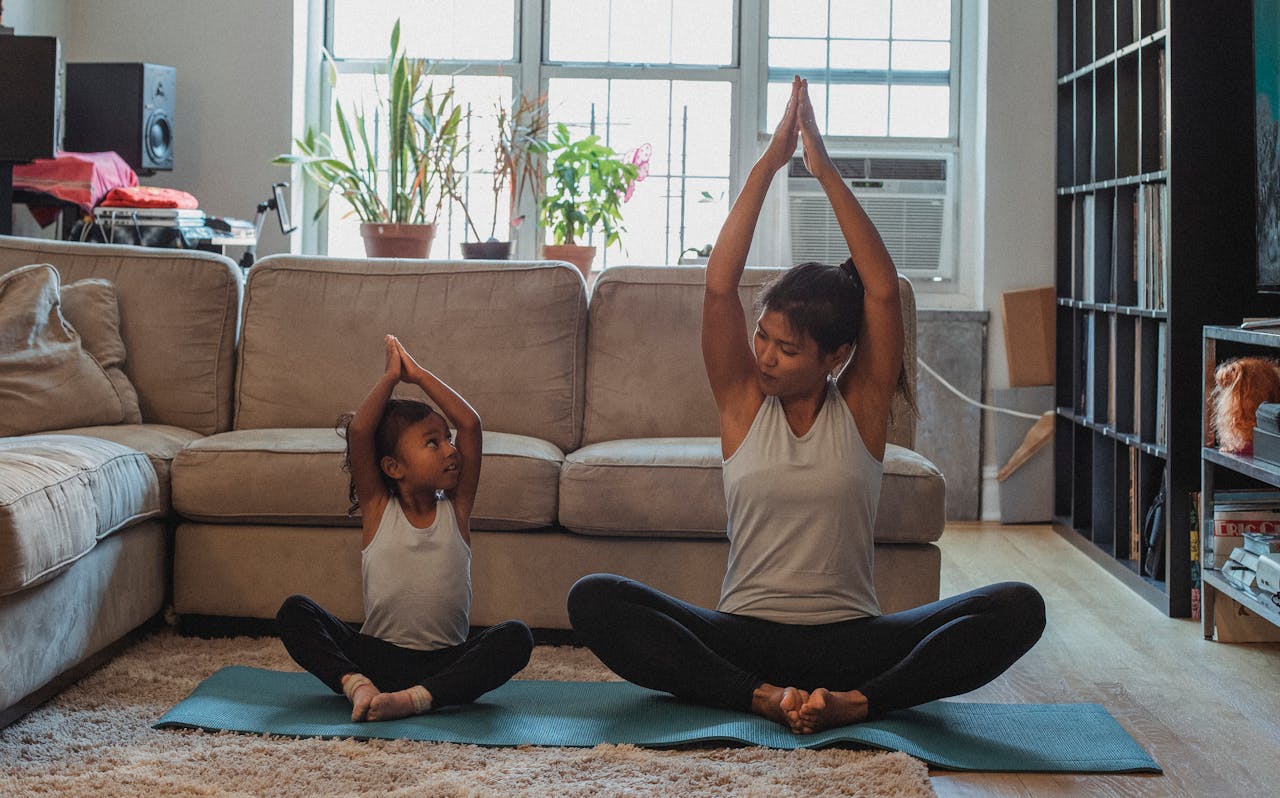
Meditation for children isn’t just about getting them to sit still for a few minutes - though that’s definitely a bonus. It’s a quiet skill that helps them figure out what’s going on inside, before it turns into a full-blown meltdown or gets buried under a pile of distractions. The effects tend to show up in small, surprising ways: fewer outbursts, deeper sleep, and those rare moments where they actually pause before reacting. Here’s how it plays out over time.
Big feelings are part of growing up. One minute they’re thrilled, the next they’re in tears because their favorite shirt is in the laundry. Meditation helps them name what they’re feeling without getting completely swept away by it. Over time, they start to notice when something’s off - not just after the tantrum, but before. That kind of emotional awareness is a game changer, especially for kids who tend to spiral fast or bottle things up.
Mindfulness teaches kids how to create space between a feeling and what they do with it. That might look like taking a breath before snapping at a sibling. Or realizing they’re tired instead of “just mad.” The point isn’t to make them calm all the time - it’s to help them notice what’s happening early enough to make a choice, not just a reaction.
It’s not a magic fix for attention struggles, but meditation does help kids practice coming back to something - a breath, a sound, a feeling - even after their mind drifts. That kind of gentle redirection builds focus without pressure. In the long run, it shows up in places like schoolwork, reading, or staying present during a conversation instead of zoning out.
Kids who feel more in tune with themselves often get better at expressing what they need - and what they don’t. Meditation supports that by creating little check-ins with their body and emotions. They start to recognize when they’re overwhelmed, overstimulated, or just done. And ideally, they learn it’s okay to say so.
Nighttime is when everything tends to come up - the questions, the feelings, the leftover energy. A few minutes of visual or audio-based meditation before bed can help settle the nervous system and shift the brain out of overdrive. It won’t replace a full bedtime routine, but it can soften the edges enough to make sleep feel more accessible.
Meditation isn’t a fix-all, and it doesn’t flip a switch overnight. But it gives kids a quiet skill set they can lean on - one that grows with them, adapts to what they need, and helps them move through the world with a little more awareness (and a little less overwhelm).
Trying to bring meditation into a child’s day can be a beautiful thing - until it turns into a power struggle, a lecture, or a tiny meltdown on a yoga mat. It’s easy to overthink it or fall into habits that quietly sabotage the whole point of the practice. The good news? Most of these are simple to avoid once you spot them.
Here are a few common trip-ups to keep on the radar:
The goal isn’t to create a perfect little meditator. It’s to build moments that help them feel safe, aware, and a little more connected to themselves - even if they’re sitting sideways and making robot noises while they breathe.
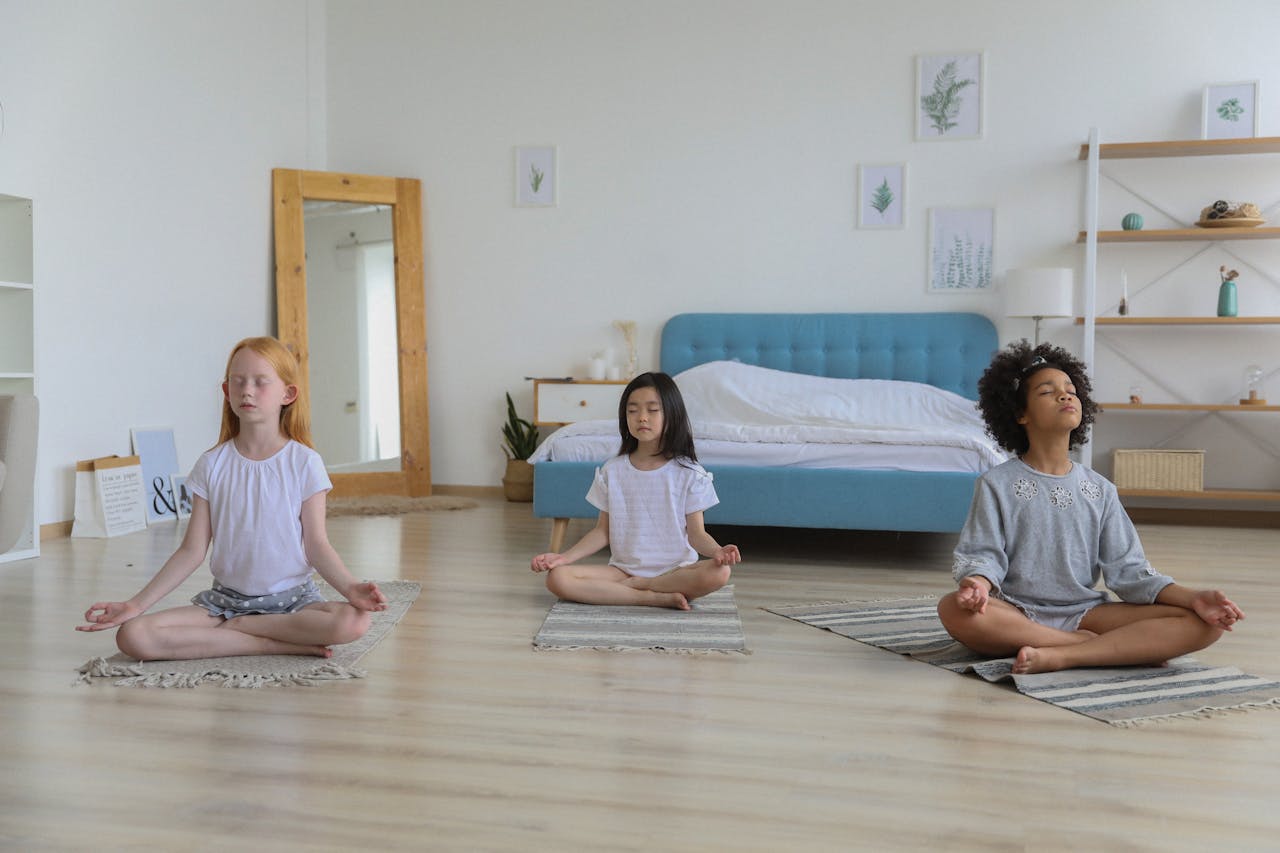
Meditation doesn’t have to be something kids do on their own while adults watch from the sidelines. In fact, the practice hits different when it becomes a shared moment - a collective pause that the whole family steps into, even if it’s just for a few minutes. Kids pick up on energy more than instructions. When they see the adults around them slowing down, tuning in, and showing up with calm attention, that experience sticks in a way words never could.
The best part? It doesn’t need to be formal. It could be lying on the floor together before bed, watching slow visuals drift across a screen. It could be pausing in the middle of a hectic afternoon to breathe with your hands on your chest. No scripts, no rules. Just a few moments where everyone in the room agrees to stop spinning for a bit. These shared practices build more than mindfulness - they build trust, safety, and a quiet kind of connection that kids remember.
There’s no perfect way to teach a child to meditate. And honestly, that’s a good thing. Meditation isn’t supposed to be another thing they have to “get right.” It’s more like a gentle tool that grows with them - something to lean on when their world feels too loud, too fast, or just too much. The goal isn’t stillness or silence. It’s connection. A moment to breathe. A pause that says, you’re okay here.
Start small. Stay curious. Let it be messy sometimes. If a child walks away from a one-minute session feeling even slightly more grounded than before, that’s already working. And when they see the adults around them pause, breathe, and show up with presence - that part lands deeper than any guided voice ever could.
I canceled my subscription with Headspace and I now pay for Mesmerize instead. I was hooked after the free trial! I love how customizable the sounds, meditations, and visuals are! Using this app has honestly become my favorite part of my day! ☺️ It helps me relax, meditate, visualize, sleep, and it does wonders for my anxiety/phobia/ocd tendencies. Thank you Mesmerize for giving us this amazing mental health tool! I told my therapist about this app and have been telling all my friends too. It’s just so helpful!
This is the second or third app in the mindfulness and meditation realm, and it’s the most scientific approach I have found. I have found these combinations of open monitoring, and focused attention meditation techniques are the most viable for those suffering from more severe forms of sleep, pain, and anxiety dysfunction one may be suffering from. Many of these approaches are used by professionals in a cognitive behavioral therapy setting. A truly complete approach in mindfulness and meditation.
I suffer from clinical depression and sometimes I get into a bad headspace but this app has really helped me whenever I’m in a bad mood I turn on the app listen to some person taking about breathing and look at cool figures on my phone and it makes me feel so much better I would highly recommend this app it’s worth the money
It didn’t take but five minutes of using this app to buy a yearly subscription. Worth it on so many levels. Easy to manipulate to what I like. Massive library of music, videos, etc.
Clear your mind and relax with a unique audio visual meditation experience.


.jpeg)