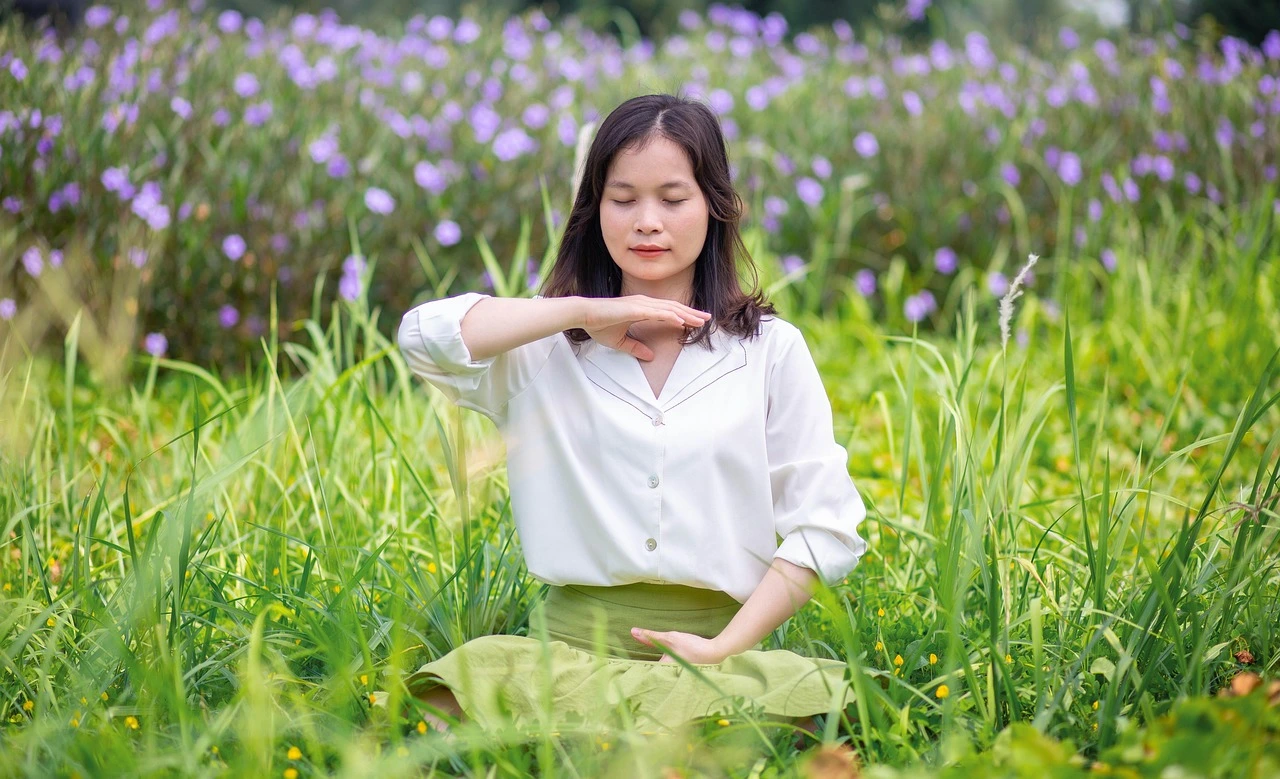
Explore practical meditation techniques - from body scans to visual apps - that help reduce stress, improve sleep, and support mental clarity.
.webp)
There’s a lot of noise around meditation - apps, courses, retreats, and routines that promise inner peace. Strip all of it back, though, and the real question people tend to ask sounds a lot simpler: what genuinely helps the mind settle, sleep land easier, or thoughts stop racing?
The answer usually depends less on which school of meditation someone follows and more on how it fits into the shape of their day. Some techniques come from long-standing traditions. Others are built around visuals, music, or subtle breath patterns designed to meet overstimulated brains halfway. It doesn’t need to be one or the other. People try things, mix things, return to the ones that quietly do something. That’s how a practice finds its way into real life.
It rarely begins with a plan. Most people don’t think, I’m going to practice formal meditation today. It starts more like: I can’t sleep again, I need a second to breathe, or everything’s too loud right now. That’s where it begins - between the scrolls, in the small gaps that ask for less.
Meditation, for many, isn’t sitting in stillness for thirty minutes with no thoughts. Sometimes it’s lying down with a voice that feels steady. Sometimes it’s visual - shapes that breathe with you, colors that calm. Sometimes it’s just a break that feels like permission.
There’s no perfect version. The techniques that stick tend to be the ones that don’t feel forced. People follow what their nervous system responds to, not what someone said should work. That’s the real start. Everything else is just trying and noticing.

At Mesmerize, meditation isn’t something we expect people to fit into a perfect routine. We built this app as a visual and sensory space that helps the mind gently slow down - especially when stillness feels hard to reach. The flowing patterns, layered soundscapes, and calming narration weren’t added as features - they’re part of how we support a nervous system that’s often overstimulated.
We’ve designed Mesmerize to offer control without complexity. Users can adjust the voice, background track, or pacing to match what they’re feeling - whether that’s restlessness, tension, or just the need to focus. Every session can be shaped intuitively, with tools like visual breathing, sleep stories, guided hypnosis, and affirmations that don’t require commitment or pressure. It’s meant to meet people exactly where they are.

Mesmerize runs on both iOS and Android, with full offline access and no intrusive ads or pushy notifications. Privacy is baked in, not bolted on. From the beginning, we’ve focused on building something that feels like it was made for real people in real moments - not for ideal days or silent rooms. It’s meditation designed to feel natural, even on the days that don’t.
Most meditation styles involve some form of guidance - focusing on breath, visualizing, or following a script. Transcendental Meditation works differently. It’s quiet, internal, and deceptively simple: just sitting with closed eyes and gently repeating a personal mantra. No active effort. No trying to steer the mind anywhere.
This approach isn’t typically found in apps or audio guides. TM is always taught in person by certified instructors, with the technique tailored to each person individually. That structure might feel more formal, but it’s also what keeps the method consistent. Once it’s learned, the practice becomes a kind of internal anchor - something that doesn’t rely on devices, routines, or constant input.
Over the years, a steady stream of research has explored its effects. TM isn’t positioned as a quick fix, but its long-term impact has been well documented across multiple areas:
It’s a practice that asks very little on the surface - just time, quiet, and repetition. But under that stillness, something changes. Not through stimulation or structure, but through softness. TM may not have the visual flair or feedback loops of modern tools, but for those drawn to inward rhythms, it offers something stable and quietly effective.
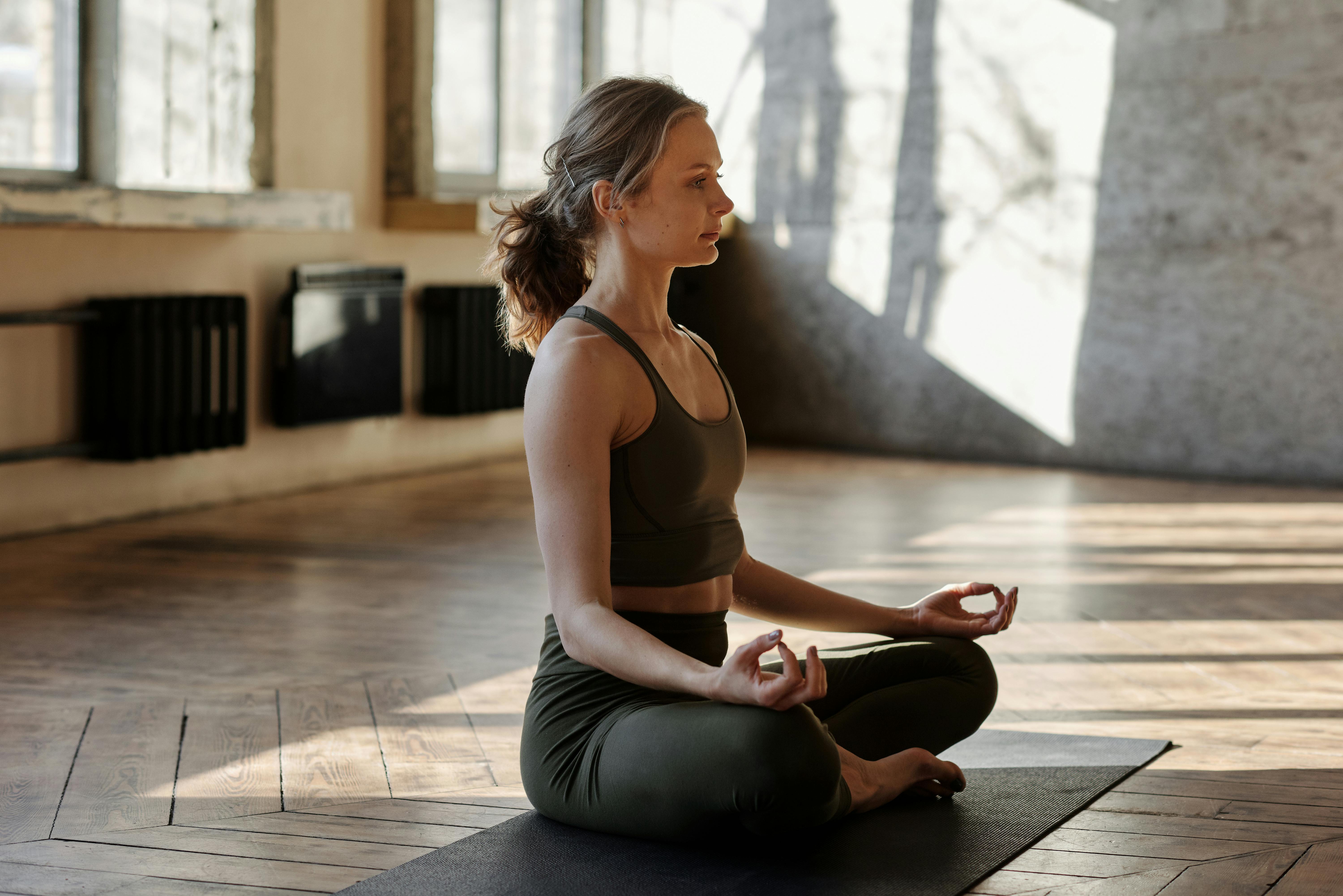
Body scan meditation sounds simple on paper but something shifts when the practice actually begins. The setup is basic: lying down, eyes closed, attention moving gently through the body. Starting at the toes or the crown of the head, awareness pauses at each area, just to notice. No fixing. No pushing. Just presence.
It’s not about erasing tension. More often, it’s about meeting it. Noticing what’s held without realizing, and letting that tension soften - if it’s ready. Some days bring a flood of sensation. Other days, barely anything registers. Both are completely okay. The practice doesn’t ask for a result. It just offers a space to check in.
Even a few minutes of body scan work can shift something - before sleep, after a long day, or when thoughts feel too loud. It doesn’t require full stillness or perfect focus. Just the decision to return to the body, one small place at a time.
This is one of those practices that doesn’t push or fix. It just softens. Loving-kindness meditation starts quiet and close - inward first, then outward - with simple words that act more like reminders than commands. The shift is subtle, but steady: from tension toward warmth, from judgment toward care.
It begins by turning inward. Repeating phrases like “May I be safe. May I be at ease.” Not as affirmations, and not because things are already calm but because care is allowed, even in the middle of mess. Some days, those words land. Other days, they feel out of reach. That’s part of the process. The point isn’t to feel a certain way, but to show up anyway.
After holding space for themselves, the practice gently widens. First to a loved one. Then maybe a neutral face. Eventually even toward someone difficult. It’s not about forcing forgiveness or pretending emotions that aren’t there. It’s more like making room - for a softer tone, a different lens, even just a breath of space.
Loving-kindness doesn’t erase stress or instantly shift a mood. What it changes is how the experience is held. It adds warmth to the inner voice. It creates tiny pockets of connection - especially on days that feel disconnected. Over time, it becomes less about the phrases and more about the feeling that follows them. Quiet, kind, and deeply human.
Not everyone finds stillness in silence. For some, it’s easier to stay present when the mind has something soft to rest on - a mental image, a scene, a sensation that invites attention instead of forcing it. That’s the space where visualization meditation lives. Rather than pushing thoughts away, this practice offers them somewhere gentle to go.
It’s not about perfect imagery. The goal isn’t clarity - it’s feeling. When thoughts wander (and they will), attention comes back to the image, softly and without judgment. That’s the whole rhythm. A little surreal, often grounding, and surprisingly accessible - especially when the usual stillness feels hard to reach.

This is a practice that centers around attention, not silence. In sound meditation, the focus isn’t on removing noise - it’s on hearing it fully. The sound becomes the anchor. Sometimes it’s layered music. Other times, ambient tones, rainfall, soft bells, or the faint resonance of a chime slowly fading into stillness. The form doesn’t matter as much as the way it’s received.
There’s no goal to interpret or analyze. Just letting the sound move through and noticing what that does to the body, to the breath, to the mind’s pace. Sometimes it feels immersive, like being held inside the sound. Other times, it’s sparse - almost transparent. Either way, it offers the nervous system something steady to follow. Not to zone out, but to settle into presence through the ear. And often, that’s enough.
Mindfulness is one of the most pared-down ways to reconnect. No visuals. No mantras. No music. Just breath, body, and the moment unfolding exactly as it is. The aim isn’t to block thoughts or fix the mood. It’s to notice - without rushing in to change anything.
In practice, mindfulness might look like this:
At first, this can feel almost too subtle. But over time, it builds a spaciousness around thoughts and reactions. Patterns soften. Reflexes slow down. The present moment becomes easier to rest in. And sometimes, just that small shift can change the whole shape of a day.
Stillness doesn’t always mean sitting. For many, movement is the more accessible way in. Walking meditation turns the act of moving - slow, steady, and deliberate - into the practice itself. The ground becomes an anchor. Each step becomes something to feel rather than rush through.
Attention shifts to the soles of the feet, the shift of weight, the gentle sway of the body. Breath finds a rhythm. There’s no pressure to walk a certain way or reach a certain state. The whole point is simply to be present in motion, rather than lost in forward momentum.
This practice is especially helpful when stillness feels hard or the body asks for movement. It works outside on a quiet path, barefoot in grass, or even in a hallway between rooms. Five slow minutes can be enough. Even a short walk toward the kitchen can become a pause that resets something inside.
Noting is a mindfulness technique rooted in gentle observation. It’s not about quieting the mind but creating space around what’s already happening. With a soft mental label - just a word or two - thoughts, emotions, and sensations are named, acknowledged, and allowed to pass without pulling attention fully away.
A memory, a plan, a random sentence shows up. Instead of following the thread, it’s simply noted: thinking. No need to explore it. Just name and return.
Sometimes awareness lands in the body. Tension in the shoulders. Heat in the chest. A dull ache or a subtle flutter. These become sensation or tightness. The label is light, just enough to bring clarity without resistance.
Emotions might arrive without warning. Sadness, restlessness, frustration - sharp or faint. The practice doesn’t ask for perfect identification. Feeling is enough. Naming creates a little distance without disconnection.
A sudden noise enters—footsteps, a voice, a message tone. Instead of following it, it’s noted as hearing. That small recognition often keeps the sound from taking over.
Plans drift in quietly: future tasks, unfinished conversations, things to remember. When it’s noticed, the word planning is used. No self-correction. Just acknowledgment and return.
That’s the rhythm: notice, name, return. The labels don’t need to be perfect. They’re just there to soften the grip of automatic reactions. Over time, this simple habit brings more clarity into everyday moments - not by stepping back from experience, but by staying present without getting stuck inside it.
Sometimes the most helpful thing is also the most ordinary. Breath awareness doesn’t ask much. There’s no technique to master, no visual to hold, no pattern to follow. Just quiet attention on what’s already happening - inhale, exhale, pause.
The breath isn’t being changed or deepened. It’s simply observed. Air moving in. Air moving out. Maybe there’s a sense of coolness at the nose. Maybe the chest lifts slightly, or the belly softens. Maybe those details fade. All of it is fine. The breath continues, with or without attention and there’s something comforting about that.
On days when the mind feels full or restless, this practice becomes a gentle place to return. Not to control or fix anything. Just to spend a few moments with the one rhythm that’s always been there, quietly carrying things forward.
When the mind feels scattered, it can help to focus on something solid - something physical and present. Anchor object meditation offers that kind of grounding. The idea is simple: choose one object and rest attention on it. Nothing more.
This works especially well when silence feels slippery or internal noise won’t settle. The object becomes a soft focal point, something to return to whenever thoughts start to tug.
The object doesn’t need meaning. It just needs presence. The senses explore it naturally - visually, physically, maybe even emotionally. And when attention drifts (as it will), the return is quiet. No need for judgment. Just a shift back to what’s here.
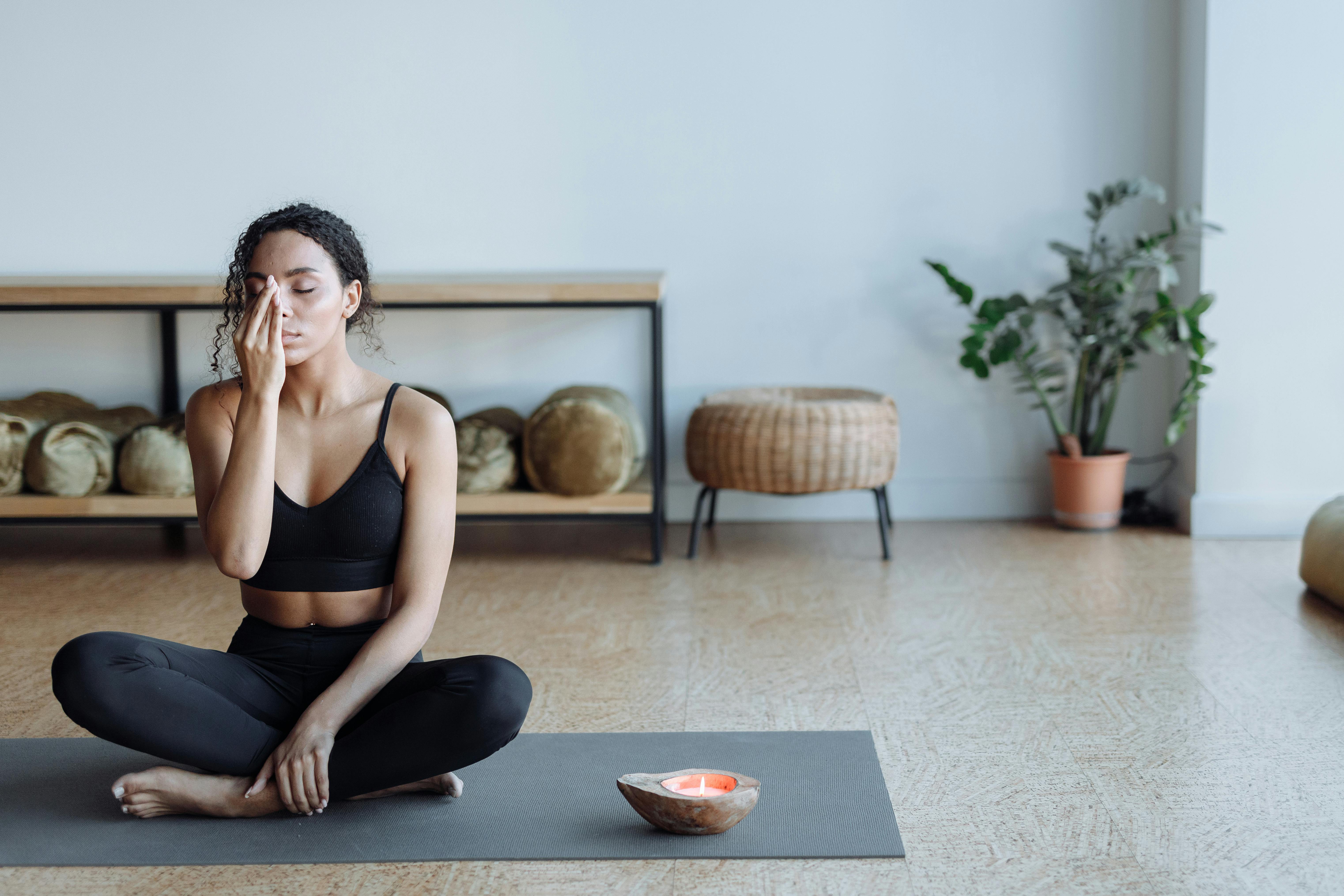
Gratitude meditation isn’t about pretending everything is fine. It’s about noticing what hasn’t fallen apart. A warm mug in hand. Light shifting across a wall. A small message that arrived at the right time. Often it’s subtle - easy to miss but that’s what makes it real.
There’s no need to force a list or manufacture a mood. The practice is in the pause. Sitting quietly, breathing, and letting attention drift toward something steady, kind, or simply still here. If nothing surfaces, that’s okay. Some days just looking is enough.
When something does come - a moment, a memory, even a small breath - it’s held a little longer. Not rushed. Not clung to. Just noticed. Over time, this kind of attention shifts something underneath. Less reaching. More resting. Less focus on what’s missing. More awareness of what remains. It won’t solve everything, but it softens the edges. And sometimes, that’s enough to keep going.
Stillness doesn’t suit everyone. Neither does silence. Some days the mind needs movement, music, or something tangible to hold. That’s why the practice can take many forms. The most helpful technique is often the one that meets people where they are - not where they think they’re supposed to be.
For visual thinkers, imagery might be the easiest entry. For those drawn to sound, a layered audio experience may offer focus. A fast or anxious mind might settle with breath. Restless hands might benefit from an object held in the palm. What already feels familiar can become the anchor.
After a session, the body usually knows. A sense of steadiness, alertness, or even just a little less inner noise can be the signal. If something tightens or constricts, it might not be the right fit - for now. That’s part of the process too.
Some days it’s lying down in quiet. Other times, it’s scrolling through a library of presets until something feels right. The practice might become a walk, a whispered phrase, or simply recalling one good thing. Changing rhythm isn’t inconsistency - it’s responsiveness.
There’s nothing wrong with wanting peace. But when calm becomes the goal, meditation can start to feel like a task to complete. Presence is the more sustainable focus. Whether through breath, footsteps, music, or texture - it all counts. The version doesn’t need to be perfect. It just needs to be real.
There’s no perfect technique. No best method. No one path that fits everyone. What remains is curiosity, a few open minutes, and a collection of practices to explore. A mantra, a flicker of light, the rhythm of breath, the sound of rain - all of it can become a doorway back to the present.
Not every session will feel calm. That was never the requirement. What matters is having something to return to when the day feels too loud, too fast, or just slightly off balance.
The practice meets them where they are - not where they were told to be. Some days that means trying. Other days, skipping. But either way, the breath still happens. And that’s enough.
I canceled my subscription with Headspace and I now pay for Mesmerize instead. I was hooked after the free trial! I love how customizable the sounds, meditations, and visuals are! Using this app has honestly become my favorite part of my day! ☺️ It helps me relax, meditate, visualize, sleep, and it does wonders for my anxiety/phobia/ocd tendencies. Thank you Mesmerize for giving us this amazing mental health tool! I told my therapist about this app and have been telling all my friends too. It’s just so helpful!
This is the second or third app in the mindfulness and meditation realm, and it’s the most scientific approach I have found. I have found these combinations of open monitoring, and focused attention meditation techniques are the most viable for those suffering from more severe forms of sleep, pain, and anxiety dysfunction one may be suffering from. Many of these approaches are used by professionals in a cognitive behavioral therapy setting. A truly complete approach in mindfulness and meditation.
I suffer from clinical depression and sometimes I get into a bad headspace but this app has really helped me whenever I’m in a bad mood I turn on the app listen to some person taking about breathing and look at cool figures on my phone and it makes me feel so much better I would highly recommend this app it’s worth the money
It didn’t take but five minutes of using this app to buy a yearly subscription. Worth it on so many levels. Easy to manipulate to what I like. Massive library of music, videos, etc.
Clear your mind and relax with a unique audio visual meditation experience.


.jpeg)