A grounded look at meditation techniques for anxiety, how they work, and which approaches can help calm the mind without pressure or perfection.
.webp)
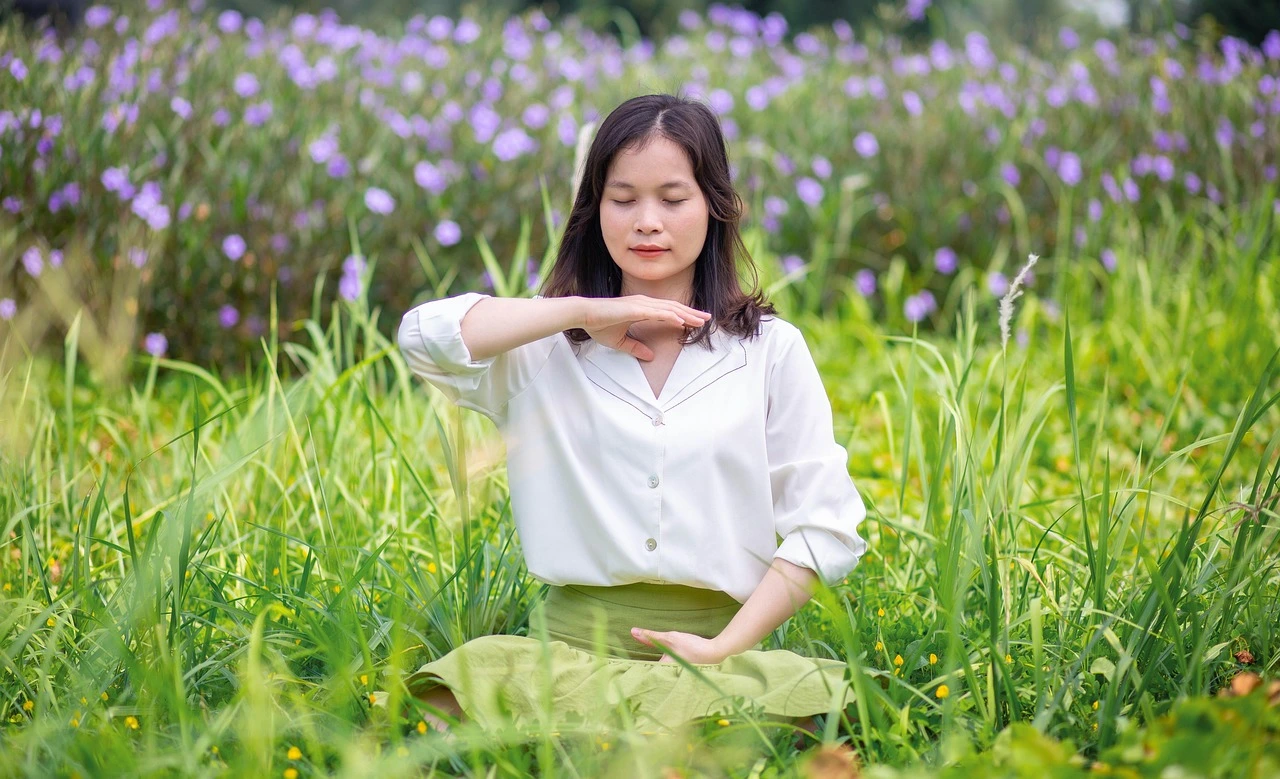
Anxiety doesn’t usually show up when it’s convenient. It creeps in while you’re trying to sleep, hijacks your focus in the middle of the day, or settles into the body as tension that’s hard to name. When people turn to meditation for anxiety, they’re often not looking for enlightenment. They just want the noise to soften a little.
Meditation techniques for anxiety aren’t about forcing calm or silencing thoughts. They’re ways of giving the nervous system something steady to rest on. Some focus on breath. Others work through the body, sound, or simple awareness. What matters isn’t doing it perfectly, but finding an approach that feels workable in real life, even on anxious days.
Anxiety is often treated as something that needs to be eliminated. That mindset can make things worse. When the body feels threatened, even by thoughts or memories, it activates systems designed to protect us. Heart rate increases. Breathing becomes shallow. Muscles tense. This response is automatic.
Meditation does not stop anxiety by suppressing these reactions. Instead, it works by changing the relationship to them. When attention becomes steadier and less reactive, the body gets clearer signals that it is safe enough to slow down. Over time, this reduces how often anxiety spikes and how intense it feels when it does.
Research shows that regular meditation can calm overactivity in the amygdala, the part of the brain involved in fear and threat detection. It also strengthens areas of the brain responsible for attention and emotional regulation. These changes do not happen overnight, but even short daily practices can make a noticeable difference.
The most important thing to understand is this: meditation for anxiety is not about emptying the mind. It is about learning to stay present with what is already happening, without adding extra layers of tension or judgment.

At Mesmerize, we built the app around a simple observation. When anxiety is active, sitting in silence is often not calming. The mind needs something gentle to focus on, not another task to complete. That idea shapes everything we offer.
We include different meditation techniques because anxiety does not look the same for everyone. Inside the app, you will find guided meditations, visual breathing sessions, calming soundscapes, sleep stories, and focus music. Some sessions offer clear structure and guidance. Others are more open, letting you settle in without narration if that feels better in the moment.
Visuals play a central role in how Mesmerize works. Slow, continuous animations give attention something steady to rest on, which can make it easier for the body to ease out of a stress response. Breathing exercises sync movement with inhale and exhale, removing the need to count or think through each step.
Customization is part of feeling safe and supported. You can choose voices, sounds, pacing, and breathing rhythms, adjusting the experience to match your mood or energy level. Sessions can be used during anxious moments, before sleep, or as part of a daily routine. Features like offline access and sleep timers help keep things simple.
Mesmerize is designed to be effective without being overwhelming. It is science-informed, private, and easy to return to. No ads, no pressure, and no expectations about how meditation should look. Just practical tools that make it easier to slow down and find a sense of calm.
Not all anxiety feels the same. A person dealing with panic attacks may need something grounding and physical. Someone with constant mental chatter might benefit from focused attention or gentle guidance. That is why meditation techniques vary.
Trying to force one method to work for every situation often leads to frustration. Instead, it helps to think of meditation as a set of tools. Each one has a different purpose. The goal is not to master them all, but to find a few that feel accessible when anxiety shows up.
Below are meditation techniques commonly used for anxiety relief, explained in a way that focuses on how they work and when they are most helpful.

There is no single meditation technique that works for everyone. Anxiety shows up in different ways, and each approach offers a slightly different entry point. Some techniques calm the body first. Others work with attention, thought patterns, or emotional tone. The sections below outline common meditation techniques used for anxiety, along with when they tend to be most useful.
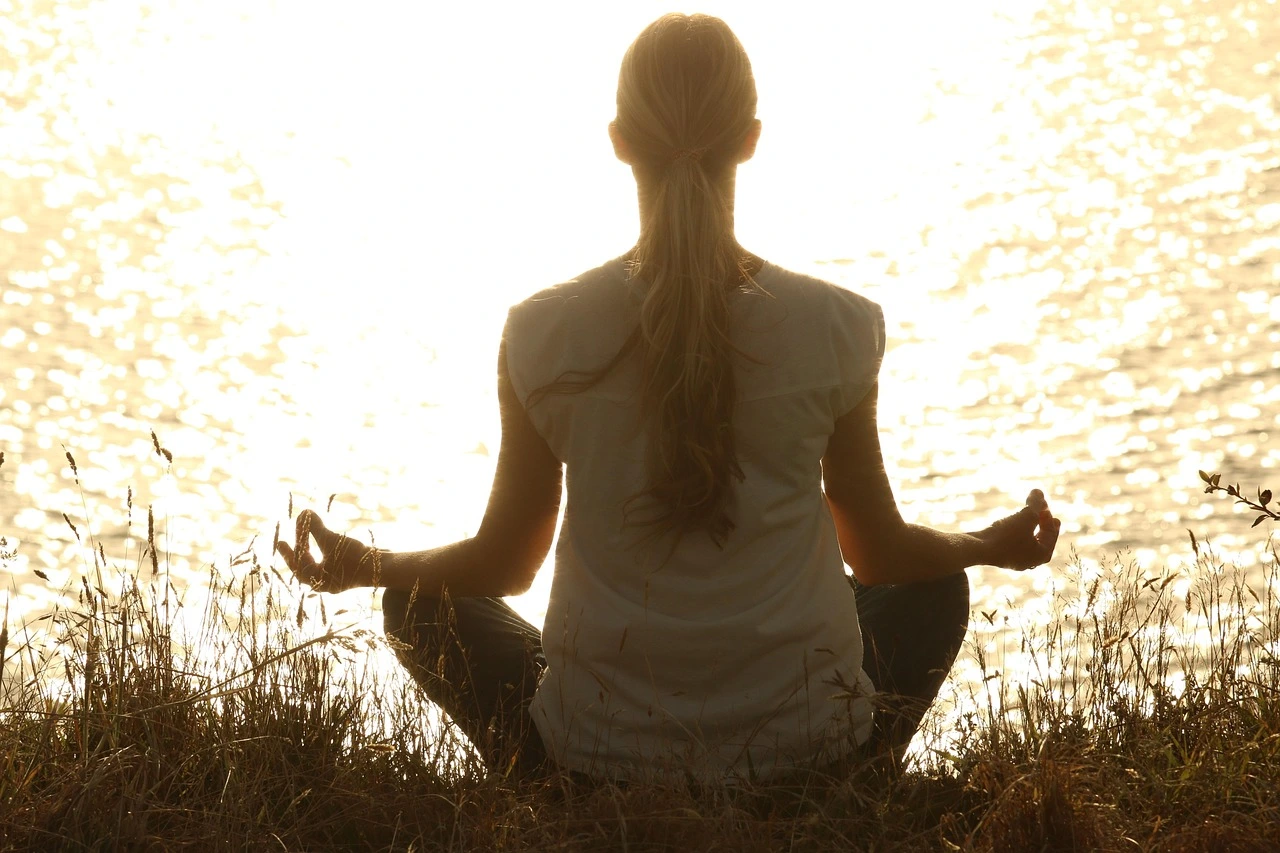
Breath awareness meditation focuses on noticing the natural rhythm of breathing. Nothing needs to be controlled or changed. The breath simply becomes a point of focus.
When anxiety is active, the mind often jumps ahead or loops backward. Paying attention to the breath gives it something steady to return to. Over time, this can reduce mental noise and make anxious thoughts feel less consuming.
This technique works well for everyday anxiety and as a foundational practice. It is simple, quiet, and easy to return to even when motivation is low.
Diaphragmatic breathing involves intentionally slowing and deepening the breath, especially the exhale. It encourages breathing into the lower belly rather than the chest.
This approach directly supports the nervous system. Slower breathing sends signals of safety, which can help reduce physical symptoms like a racing heart or tight chest.
Diaphragmatic breathing is often helpful during moments of acute anxiety or panic. It is also practical because it can be used almost anywhere without drawing attention.
Body scan meditation brings attention to physical sensations throughout the body, one area at a time. The practice is about noticing, not fixing.
Anxiety often pulls attention upward into the head. A body scan gently redirects awareness downward, reconnecting the mind with physical experience. This can reduce rumination and increase a sense of grounding.
This technique is especially helpful for people who experience anxiety as muscle tension, restlessness, or trouble sleeping.
Progressive muscle relaxation involves tensing and releasing muscle groups in a deliberate sequence. It highlights the contrast between tension and relaxation.
Many people hold anxiety physically without realizing it. This technique makes that tension more visible and gives the body permission to let go, even briefly.
Progressive muscle relaxation works well for anxiety that feels stuck in the body and for people who find stillness difficult at first.
Mindfulness meditation centers on observing thoughts, emotions, and sensations without judgment. Rather than trying to stop anxious thoughts, the practice changes how they are related to.
Thoughts are noticed as passing events rather than facts that require action. Over time, this reduces reactivity and helps anxiety feel less overwhelming.
Mindfulness meditation can feel challenging at first, especially during high anxiety. With practice, it becomes a powerful way to build emotional resilience.
Guided meditation uses spoken instructions to lead the practice. A voice provides structure, pacing, and reassurance.
This format can make meditation feel more approachable, especially when anxiety makes it hard to focus alone. It reduces decision-making and helps keep attention anchored.
Guided meditations are useful for beginners, during periods of heightened stress, or whenever quiet practice feels too demanding.
Visualization meditation involves imagining calming or supportive scenes, environments, or sensations. The focus is on sensory detail and mental imagery.
The brain responds strongly to imagined experiences. When imagery feels vivid, it can shift the nervous system toward relaxation and safety.
This technique works well for people who are visually oriented and can be especially helpful before sleep or during emotionally heavy anxiety.
Loving-kindness meditation focuses on cultivating compassion toward oneself and others through gentle phrases or intentions.
Anxiety is often linked to self-criticism, fear of judgment, or isolation. This practice softens those patterns by reinforcing acceptance and care.
Loving-kindness meditation can be particularly helpful for social anxiety, shame-based anxiety, or persistent self-doubt.
Walking meditation combines mindfulness with movement. Attention is placed on the physical sensations of walking, such as the feet touching the ground.
For people who feel restless or confined during seated meditation, walking meditation offers a more accessible option. It grounds attention while allowing the body to move.
This technique fits easily into daily routines and can help release anxious energy without requiring stillness.
One of the biggest barriers to meditation is the idea that it has to look a certain way. In reality, consistency matters more than duration or technique.
Starting with five minutes a day is enough. Short practices are often more sustainable and less intimidating. Over time, those minutes add up.
It also helps to match the technique to the moment. Breath-based practices work well during panic. Body-focused techniques help with tension. Guided sessions provide support when motivation is low.
Meditation is not about achieving calm on demand. Some days will feel easier than others. That does not mean the practice is failing.
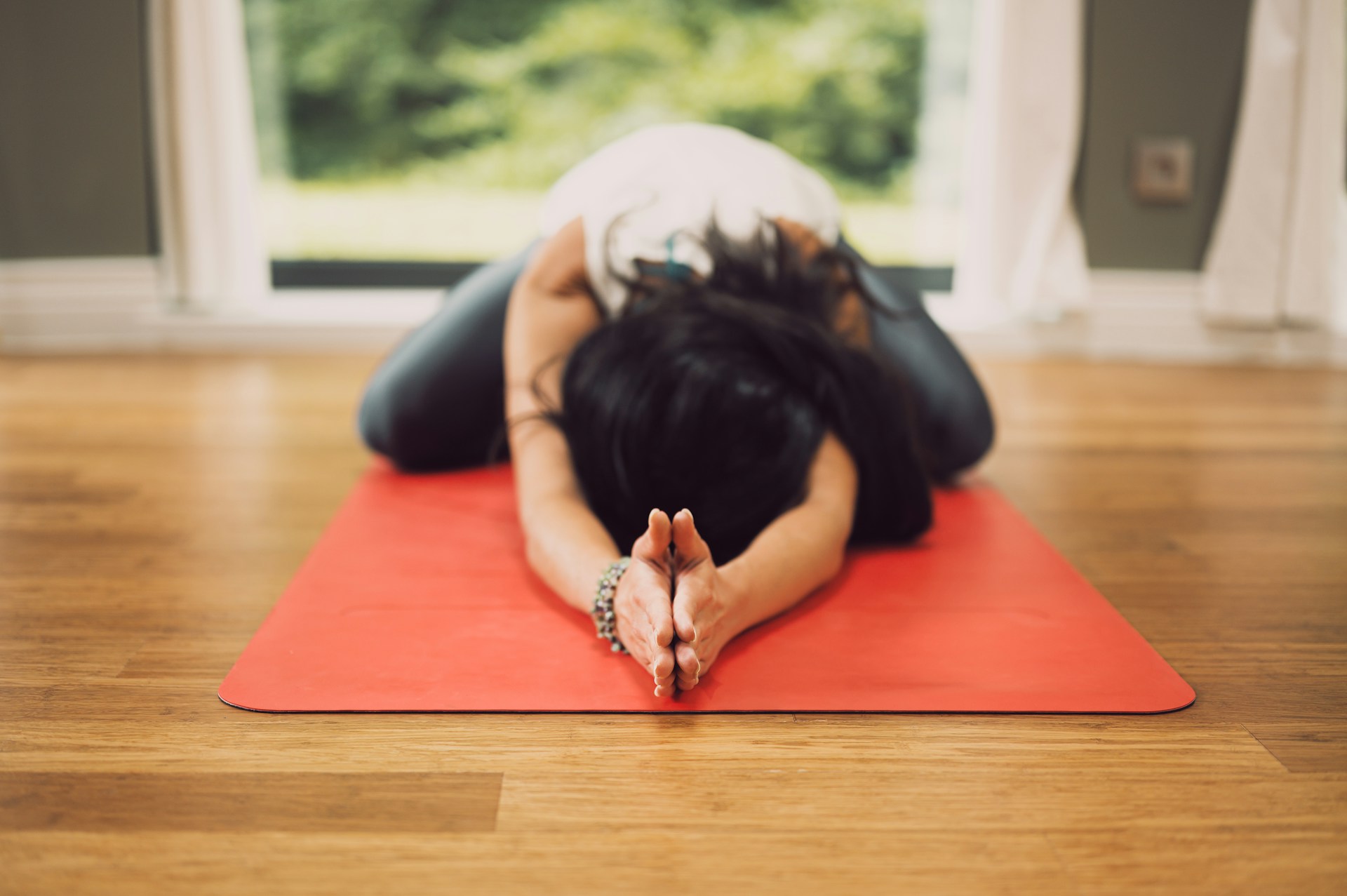
Finding calm does not mean eliminating anxiety entirely. It means developing a steadier relationship with it. Meditation techniques for anxiety help create space between awareness and reaction.
Over time, this space allows the body to recover more quickly and the mind to respond with greater clarity. Anxiety may still arise, but it often loses its grip.
The most effective practice is the one you can return to, even on difficult days. Calm is not something to chase. It is something that gradually unfolds when attention is given room to rest.
Anxiety does not disappear because we tell it to stop. It softens when the mind and body learn they do not have to stay on high alert all the time. Meditation techniques for anxiety work by creating small moments of steadiness, moments where attention slows down and the nervous system gets a break.
There is no perfect way to meditate, and there is no need to force calm. Some days the practice feels helpful. Other days it simply feels like showing up. Both matter. Over time, these small efforts can change how anxiety is experienced, making it less dominant and easier to move through.
Finding calm is not about eliminating discomfort. It is about building a relationship with your inner experience that feels steadier and more forgiving. Meditation is one way to begin that process, one breath, one moment at a time.
I canceled my subscription with Headspace and I now pay for Mesmerize instead. I was hooked after the free trial! I love how customizable the sounds, meditations, and visuals are! Using this app has honestly become my favorite part of my day! ☺️ It helps me relax, meditate, visualize, sleep, and it does wonders for my anxiety/phobia/ocd tendencies. Thank you Mesmerize for giving us this amazing mental health tool! I told my therapist about this app and have been telling all my friends too. It’s just so helpful!
This is the second or third app in the mindfulness and meditation realm, and it’s the most scientific approach I have found. I have found these combinations of open monitoring, and focused attention meditation techniques are the most viable for those suffering from more severe forms of sleep, pain, and anxiety dysfunction one may be suffering from. Many of these approaches are used by professionals in a cognitive behavioral therapy setting. A truly complete approach in mindfulness and meditation.
I suffer from clinical depression and sometimes I get into a bad headspace but this app has really helped me whenever I’m in a bad mood I turn on the app listen to some person taking about breathing and look at cool figures on my phone and it makes me feel so much better I would highly recommend this app it’s worth the money
It didn’t take but five minutes of using this app to buy a yearly subscription. Worth it on so many levels. Easy to manipulate to what I like. Massive library of music, videos, etc.
Clear your mind and relax with a unique audio visual meditation experience.


.jpeg)