A grounded look at relaxation meditation, how it works, and how gentle practices can help the body and mind unwind.
.webp)
Relaxation meditation isn’t about emptying your mind or reaching some perfect state of calm. It’s about giving the nervous system permission to stand down for a moment. No performance. No pressure. Just space to breathe and notice what happens when you stop pushing.
For many people, stress doesn’t show up as panic. It’s tighter shoulders, shallow breathing, restless sleep, and a sense of being slightly “on” all the time. Relaxation meditation meets that reality where it is. Instead of trying to fix the mind, it works with the body first, helping it remember what ease feels like again.
Relaxation meditation is a form of mindfulness practice that emphasizes rest rather than insight or concentration. The goal is not to analyze thoughts, improve productivity, or reach a particular emotional state. The aim is to let the body soften and the mind follow at its own pace.
Most relaxation practices involve a gentle anchor. This might be the breath, physical sensations, sound, imagery, or simple awareness of the body. The anchor is not something to hold tightly. It is more like a place to return when the mind wanders.
One important detail often missed is that relaxation meditation is not passive in the sense of zoning out. It is attentive, but without effort. You are present with what is happening, without trying to control it.
Many people sit down to relax and feel more restless instead. This can be confusing, and sometimes discouraging. The reason is simple. When the body has been running in a stressed state for a long time, slowing down can feel unfamiliar or even unsafe.
Stress activates the sympathetic nervous system, often called the fight or flight response. This system is useful in short bursts. It sharpens attention and prepares the body for action. The problem comes when it stays switched on for too long.
Relaxation meditation encourages the parasympathetic nervous system, sometimes called rest and digest. This system lowers heart rate, deepens breathing, and supports recovery. When this shift begins, sensations that were previously ignored may surface. Tightness. Fatigue. Emotion. This does not mean the practice is failing. It usually means the body is finally being heard.
A common mistake is approaching relaxation meditation as a mental exercise. Trying to think calm thoughts. Trying to stop worry. Trying to empty the mind. This approach often backfires.
Relaxation works better when the body leads. Slow breathing, relaxed muscles, and physical comfort send signals of safety to the brain. Once the body begins to settle, the mind often follows on its own.
This is why many relaxation practices include body-based techniques such as body scans, progressive muscle relaxation, or awareness of physical sensations. These methods work with biology, not against it.
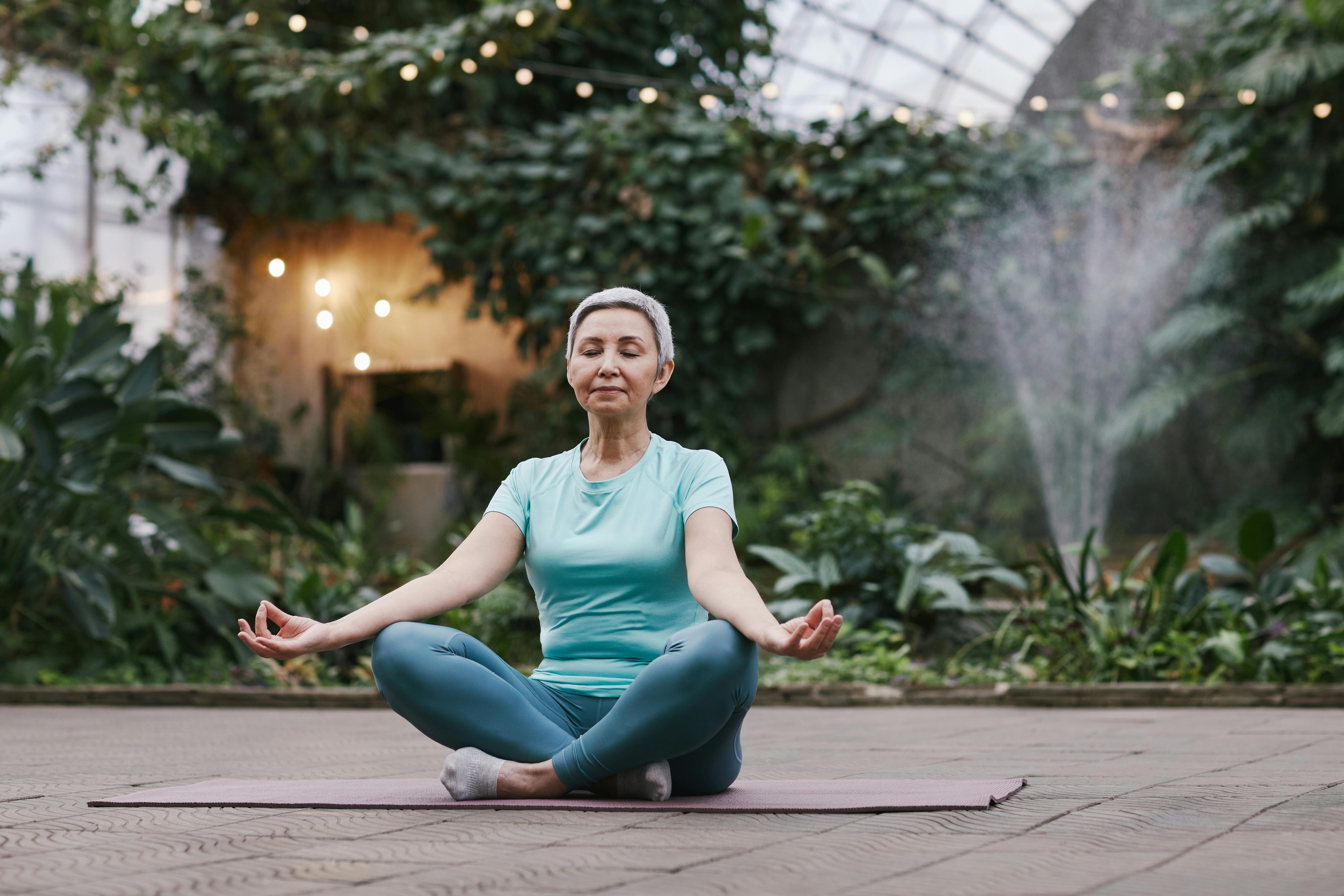
Breathing is one of the most accessible tools for relaxation meditation. It is always available and closely linked to the nervous system.
Slow, steady breathing helps activate the parasympathetic response. You do not need special techniques or counts. Even noticing the natural rhythm of the breath can be enough.
A simple approach looks like this:
There is no need to control the breath. Observation alone can be calming.
Body scan meditation is one of the most effective relaxation techniques, especially for people who carry stress physically.
The practice involves gently moving attention through the body, usually from head to toe or the reverse. At each area, you notice sensation without trying to change it. Tension might soften. Or it might not. Both are acceptable. What matters is awareness. Over time, this practice improves the ability to recognize stress early and respond with more care.
Body scans are especially helpful before sleep or during periods of mental overload, when thinking feels unproductive.
Progressive muscle relaxation takes a slightly more active approach. Instead of only noticing tension, you intentionally tense and release different muscle groups.
This contrast helps the body recognize the difference between effort and ease. It can be especially useful for people who feel disconnected from their bodies or unsure what relaxation actually feels like.
A typical sequence involves:
The process moves gradually through the body, often ending with a general sense of heaviness or warmth.
Guided relaxation meditation uses spoken instructions to support the practice. A calm voice provides cues for breathing, awareness, or imagery, reducing the need to think about what comes next.
This approach can be especially helpful for beginners, or for moments when mental fatigue makes self-guided practice feel effortful. It is also useful during high-stress periods, when attention feels scattered and the mind has trouble settling on its own.
Guided practices vary widely. Some are short and focused, offering just a few minutes of structure. Others are longer and more immersive. The best choice is the one that feels supportive rather than distracting.
Sound can play a powerful role in relaxation meditation. Gentle music, nature sounds, white noise, or even silence can help create a sense of safety and continuity.
Some people find music distracting, while others find it grounding. There is no universal rule. The key is choosing sound that supports settling rather than stimulation.
Silence can also be effective, though it may feel uncomfortable at first. Over time, silence often reveals subtle sensations that deepen relaxation and awareness.
Visualization involves imagining a scene or experience that evokes calm. This might be a natural setting, a familiar place, or a simple sensory image such as light, warmth, or gentle movement.
The purpose is not to escape reality, but to give the nervous system something soothing to engage with. The brain often responds to imagined experiences in ways similar to real ones, especially when sensory detail is involved.
Visualization works best when it feels personal. Forced or overly elaborate imagery can feel artificial. Simple scenes are often more effective and easier to stay with.

At Mesmerize, we built the app around one simple belief: relaxation comes more easily when the body has something gentle to focus on. Silence can feel uncomfortable for some people, and overly structured guidance can feel like too much. We try to sit in the middle.
Our guided relaxation sessions combine calm narration with slow, flowing visuals and immersive sound. Instead of asking you to imagine everything, we give your senses something steady to rest on. The visuals move at a pace that naturally encourages slower breathing, while the sound helps create a feeling of continuity and ease.
We also know that what feels relaxing changes from day to day. That’s why the experience is adjustable. You can choose the voice, the sound, the pace, or turn guidance off completely and stay with music or visuals alone. The goal is simple: make it easier for your body to slow down, without adding effort or pressure.
Relaxation meditation does not require a long session or perfect conditions. Ten minutes is enough to give the body a clear signal that it can slow down. The point is not to force calm, but to create space where it can happen naturally.
There are many ways to practice, and not all meditation techniques are designed for relaxation. The approach below focuses on breath and body awareness, two of the most reliable ways to settle the nervous system. Use it as a framework, not a rulebook.
Find a position that feels stable and comfortable. You can sit or lie down. Let your hands rest where they fall naturally. If it feels safe, allow your eyes to close or soften your gaze.
Take a moment to notice how your body feels without trying to change anything.
Begin to bring attention to your breath. There is no need to breathe deeply right away. Simply notice the rhythm.
After a few breaths, allow the exhale to lengthen slightly. A slower exhale often helps the body relax without effort. Let the breath find its own pace.
Bring awareness to where your body meets the surface beneath you. Feel the weight of your body being supported. Chair, floor, bed. Let gravity do some of the work for you.
This sense of support can be grounding, especially if the mind feels busy.
Gently move your attention through the body, starting at the head and moving downward. Notice areas that feel tight, heavy, or tired.
You do not need to release anything on purpose. Simply noticing tension often allows it to soften on its own.
Bring your focus back to the breath as it moves in and out of the body. Feel the rise and fall of the chest or belly.
If thoughts pull your attention away, that’s normal. When you notice it, guide your attention back to breathing without criticism.
For a minute or two, allow thoughts, sensations, and sounds to come and go. You are not trying to stop them or analyze them.
Think of this part as watching weather pass through rather than engaging with it.
Spend the next moments simply being present. No technique. No goal. Just sitting or lying quietly with whatever is there.
This is often where the body begins to feel noticeably calmer.
As the time comes to an end, bring awareness back to your surroundings. Notice sounds in the room. Feel your posture. Wiggle your fingers or toes if it helps.
Before moving on, take a second to notice how your body feels compared to when you started. The change may be subtle, and that’s enough.
You can carry this slower pace into the next part of your day, even if only for a moment. Relaxation meditation works best when it becomes a familiar pause, not a performance.
There is no ideal length for relaxation meditation. Longer sessions are not necessarily better. Consistency matters more than duration.
For many people, five to ten minutes is enough to experience a shift. Longer sessions can be useful, but only if they feel manageable.
Short practices are easier to integrate into daily life. A brief session in the morning or before bed can have a cumulative effect over time.

Relaxation meditation does not need to happen in perfect conditions. Waiting for the right moment often leads to not practicing at all.
Some realistic ways to integrate it include:
The goal is not to create a ritual that feels fragile, but one that adapts to real life.
It is helpful to clear up a few common misconceptions.
Relaxation meditation is not a cure for medical or mental health conditions. It does not replace professional care. It is also not a test of discipline or focus.
If the mind wanders, that is normal. If some days feel easier than others, that is expected. Relaxation meditation works through gentleness and repetition, not performance.
Relaxation meditation often shows its value not in dramatic moments, but in how it supports the body through ordinary stress and fatigue. Two of the most common areas where people notice a difference are sleep and ongoing, low-level stress.
Relaxation meditation is commonly used to support better sleep. It helps quiet physical tension and ease the mental activity that keeps the body alert when it should be winding down.
Practices that focus on body awareness, slow breathing, or gentle sound tend to work especially well before bed. The intention is not to fall asleep during the meditation itself, but to create the conditions that make sleep more likely afterward. When the nervous system settles, sleep often follows on its own.
Over time, the body begins to associate the practice with rest. Even a short session can become a familiar signal that it is safe to let go, making it easier to unwind at night.
Chronic stress often fades into the background. The body adapts to constant tension, and what once felt uncomfortable starts to feel normal. Tight shoulders, shallow breathing, and mental restlessness become part of the baseline.
Relaxation meditation helps bring those patterns back into awareness. By slowing down, it becomes easier to notice early stress signals and respond before they build. A pause. A breath. A small adjustment in posture or attention.
These moments may seem minor, but they add up. Relaxation meditation does not remove stress from life, but it changes how the body carries it, making everyday demands feel more manageable over time.
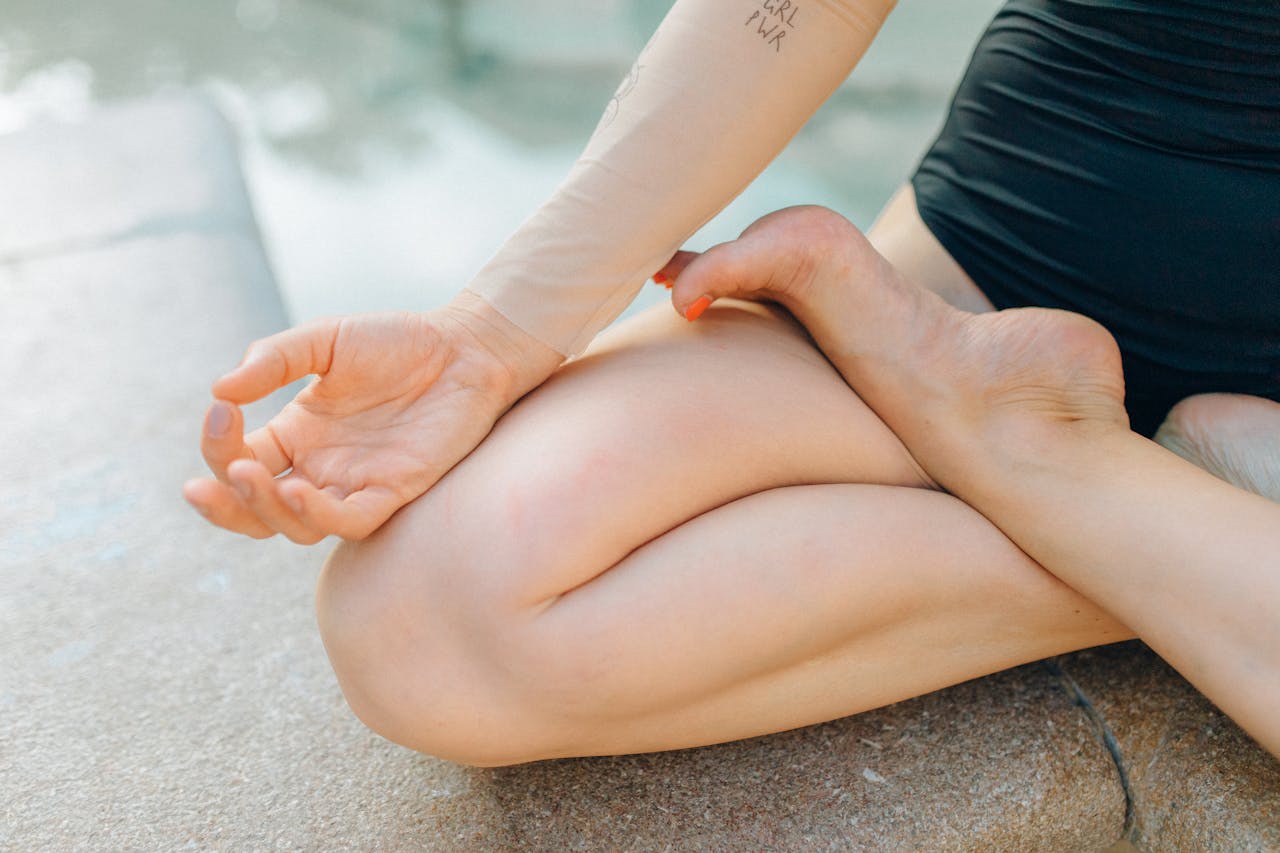
There is no single correct way to practice relaxation meditation. What feels supportive can change over time, and a practice that works well in one phase of life may feel off in another. Energy levels shift. Stress shows up differently. Your needs change, and your meditation style can change with them.
Some people settle most easily in silence. Others feel more at ease with a steady voice or gentle sound in the background. For some, stillness brings relief. For others, relaxation comes through subtle movement or guided body awareness. None of these preferences are better than the others. They are simply different ways in.
When exploring what works for you, it can help to notice how your body responds rather than focusing on whether you are doing it “right.” A few questions to consider:
The most useful practice is the one you actually return to. Curiosity matters more than commitment. If you stay open to adjusting the practice as your needs shift, relaxation meditation becomes less of a routine to maintain and more of a resource you can draw from when you need it.
Relaxation meditation is not about achieving calm. It is about allowing it. It creates space for the body to do what it already knows how to do, when it feels safe enough to try.
In a culture that values effort and control, relaxation can feel counterintuitive. But it is a skill, and like any skill, it improves with patience.
You do not need to get it right. You only need to show up, breathe, and let the body slow down in its own time.
I canceled my subscription with Headspace and I now pay for Mesmerize instead. I was hooked after the free trial! I love how customizable the sounds, meditations, and visuals are! Using this app has honestly become my favorite part of my day! ☺️ It helps me relax, meditate, visualize, sleep, and it does wonders for my anxiety/phobia/ocd tendencies. Thank you Mesmerize for giving us this amazing mental health tool! I told my therapist about this app and have been telling all my friends too. It’s just so helpful!
This is the second or third app in the mindfulness and meditation realm, and it’s the most scientific approach I have found. I have found these combinations of open monitoring, and focused attention meditation techniques are the most viable for those suffering from more severe forms of sleep, pain, and anxiety dysfunction one may be suffering from. Many of these approaches are used by professionals in a cognitive behavioral therapy setting. A truly complete approach in mindfulness and meditation.
I suffer from clinical depression and sometimes I get into a bad headspace but this app has really helped me whenever I’m in a bad mood I turn on the app listen to some person taking about breathing and look at cool figures on my phone and it makes me feel so much better I would highly recommend this app it’s worth the money
It didn’t take but five minutes of using this app to buy a yearly subscription. Worth it on so many levels. Easy to manipulate to what I like. Massive library of music, videos, etc.
Clear your mind and relax with a unique audio visual meditation experience.


.jpeg)