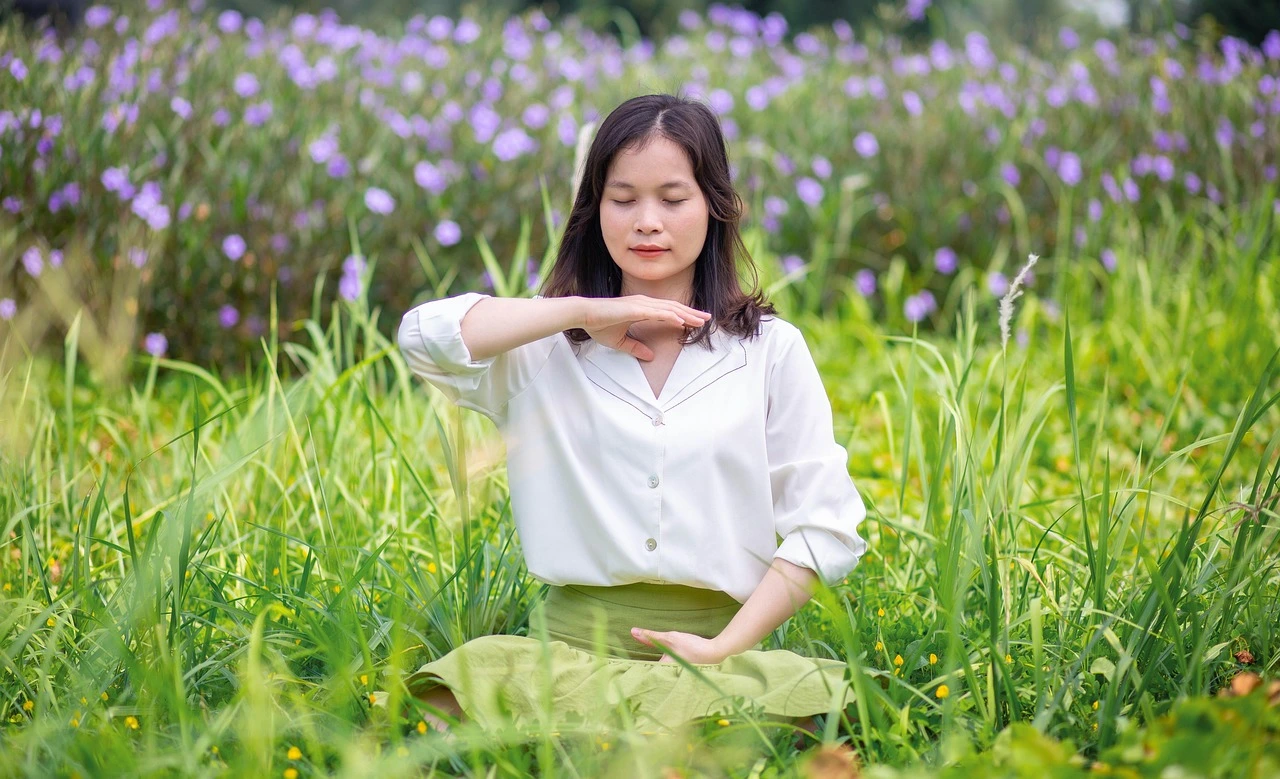
Explore the main types of meditation, from mindfulness to visual breathing, and find the one that fits how your mind and body actually work.
.webp)
Meditation isn’t one-size-fits-all. Some people sit in silence and watch their breath. Others lie down, listen to a calm voice, and let their thoughts drift. There’s walking meditation, sound meditation, visual meditation, even methods that focus entirely on kindness or physical sensations. The point is, different styles work for different nervous systems. What calms one person might agitate another. So instead of chasing the “right” way to do it, it makes more sense to find a form that feels doable - and maybe even enjoyable. Let’s walk through what’s out there.
Most people come to meditation looking for one thing - less stress. That’s fair. But what often surprises them is how far beyond that it goes. When practiced regularly (and that can just mean a few minutes here and there), meditation tends to smooth out not just emotions, but the nervous system itself. Breathing slows. Muscles unclench. Focus gets easier. And the mental noise that usually runs in the background starts to quiet down.
The effects aren’t just in the head. Studies have linked meditation to lower cortisol levels, improved sleep quality, and even reduced blood pressure. It’s not magic - it’s more like giving the brain a chance to stop reacting to every ping, worry, or thought that shows up. With time, that pause becomes a pattern. And that pattern changes how people move through their day: a little slower, a little steadier, a little more like themselves.
Not everyone clicks with the classic “sit in silence and follow your breath” approach. For some, it works beautifully. For others, it just leads to fidgeting, overthinking, or checking how much time is left. That doesn’t mean they’re doing it wrong. It just means their brain wants a different kind of entry point. Something visual. Or guided. Or sensory.
Choosing a style isn’t about picking the most “authentic” or “disciplined” method. It’s more like figuring out what your nervous system can actually settle into right now - with the least resistance. Some days that might be silence. Other days it might be a voice, a rhythm, or just a familiar sound playing in the background while the mind catches its breath.
A lot of people think they need to meditate “correctly” before it counts. But effort can get in the way. If the practice feels like a task, it’s harder to come back to it the next day. That’s why it makes sense to start with something that feels doable.
For some, it’s five minutes of guided breathing. For others, it’s lying back and watching slow, looping visuals with a calm soundtrack. The goal isn’t depth. It’s softness. And softness tends to stick around longer than pressure ever does.
The kind of meditation that feels right now might not be the one that works next month. That’s normal. Some people start with guided meditations and slowly move into quieter, less structured practices. Others rotate between a few depending on what the day calls for.
There’s no fixed path here. What matters is that it meets you where you are - whether that’s anxious, tired, distracted, or wide awake in the middle of the night.

At Mesmerize, we built the app around a simple idea: some people don’t need silence - they need something to look at. We’ve seen how visual rhythm can do what words often can’t. That’s why we focused on creating a sensory-first space, where slow animations, breathing patterns, and layered soundscapes help guide the mind without forcing it to “do” anything.
Everything in the app is customizable because we know how different each user’s nervous system can be. We made it easy to choose a voice, adjust the pace, switch between guided narration and ambient audio, or even remove the voice entirely. The goal was to give people a way in - whether they’re winding down before bed, trying to manage anxiety, or just want a few minutes of quiet structure.
Mesmerize is available on both iOS and Android, with full offline support after downloading content. We’ve also taken privacy seriously from day one: no ads, no tracking, no data games. Just a calm, visual-first experience built to meet users where they are - and help them stay there a little longer.
This is one of the simplest and most adaptable ways to meditate. It doesn’t require any special tools or techniques - just a bit of time and a willingness to notice what’s happening without trying to fix it. Breath becomes the anchor, something steady to return to when thoughts start pulling in other directions.
Mindfulness isn't about forcing quiet. It's more like making space for whatever shows up, then gently coming back to the present. With regular practice, even a few minutes a day can shift how the body holds tension and how the mind handles stress.
People turn to this method to calm racing thoughts, soften physical tension, or simply reconnect when they feel scattered. Some keep it silent. Others use music, visuals, or narration to help stay present. There’s no wrong version - just what helps right now.

A softer way in. Guided meditation gives the mind something to follow - especially on the days when silence feels like too much.
When the mind feels noisy or overwhelmed, having a voice to follow can be a relief. Guided sessions walk you through each step, offering gentle cues to breathe, relax, and stay with the moment - without needing to plan or figure anything out.
Some sessions are whisper-quiet. Others are more direct or theme-focused - like sleep, anxiety, or letting go. If one doesn’t land, try another. There’s no pressure to stick with what doesn’t feel right.
Even long-time meditators come back to guided practices. Some days, it’s easier to be led than to lead yourself. It’s not about skill - it’s about support. And some moments just need that extra hand.
This is one of those practices that sounds too simple to matter - just repeat a few kind phrases in your head, wish people well, move on. But it hits differently when you actually do it. Especially on days when your mood is sharp, or you're holding onto something heavy. Metta is about softening the edges, even when you don’t feel particularly soft.
The idea is to start by sending kindness to yourself - quiet phrases like “May I be safe,” or “May I feel at ease.” Then slowly, that circle widens. A loved one. A stranger. Someone you’re in conflict with. It doesn’t have to feel natural right away. Sometimes it doesn’t feel like anything at all. But over time, this habit of quiet goodwill starts to show up off the cushion too - in the middle of conversations, while reading the news, or just sitting in traffic. It's less about changing how you feel, and more about shifting how you relate to what shows up.
This kind of meditation gives the mind something steady to hold onto - a single word, sound, or phrase that repeats quietly in the background. The repetition isn’t about meaning. It’s about rhythm. A mantra acts like a mental anchor, something soft and simple that keeps pulling attention away from the usual spin of thoughts. That’s why it works so well for people who feel overstimulated or scattered. Instead of pushing thoughts away, you just shift your focus toward the sound.
Transcendental Meditation (TM) is one well-known version of this. It uses a specific, personalized mantra given by a trained teacher and is typically practiced twice a day for 15-20 minutes. But you don’t need formal instruction to explore mantra-based meditation. Some people choose a word they find calming. Others go with a sound, like “om” or something less structured - just whatever helps the mind settle. The point isn’t to force silence. It’s to give the brain a gentle rhythm to follow, so everything else can start to soften.
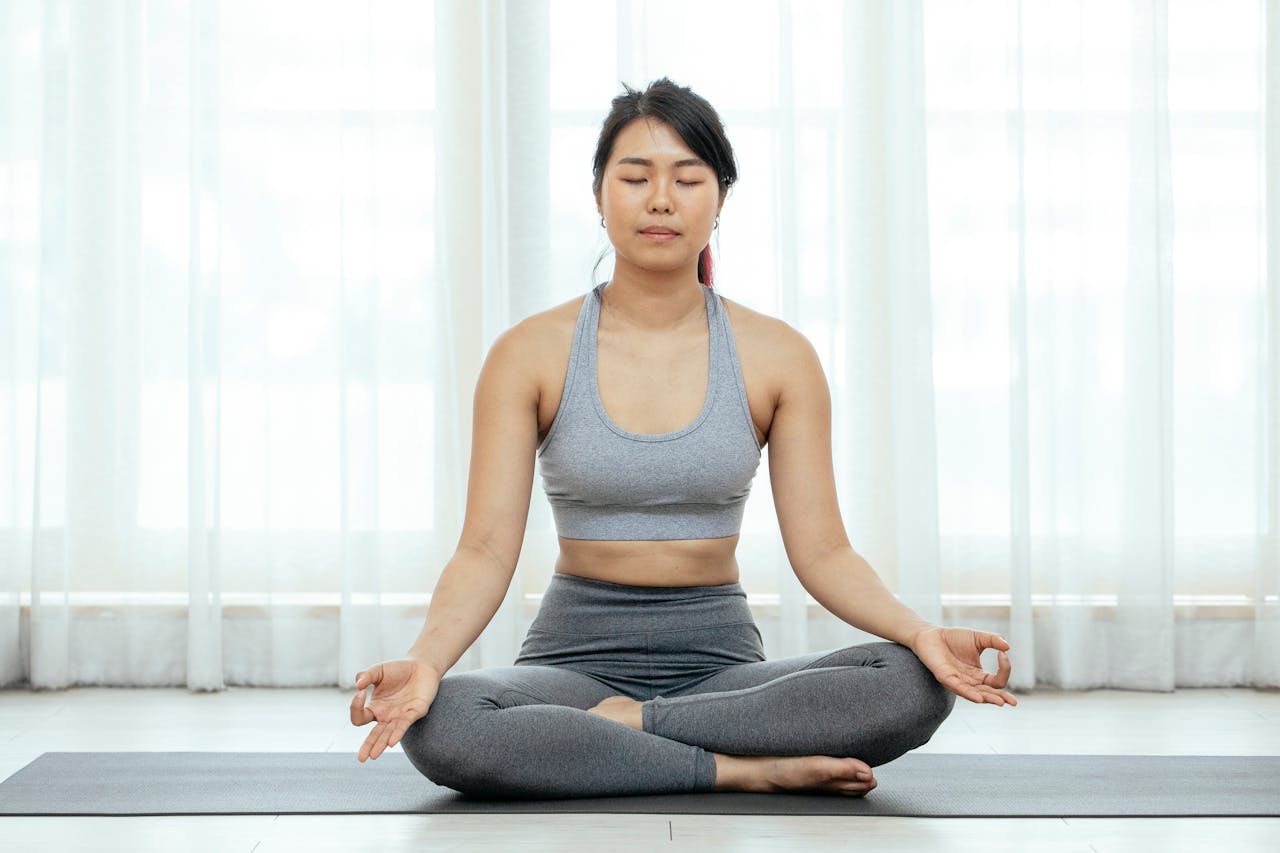
These styles don’t offer much in the way of guidance or distraction. No music, no visuals, no mantras. Just the body, the breath, and whatever the mind brings up. For some, that kind of stillness feels out of reach at first. For others, it’s exactly what helps things finally settle.
Zen (or Zazen) and Vipassana both center on observation - watching thoughts, sensations, and emotions as they pass, without getting caught. It’s not about doing anything. It’s about noticing what’s already there. The simplicity can feel intense, especially in a world that rarely lets things be quiet.
Nothing dramatic happens here, and that’s the whole idea. Over time, this kind of sitting builds clarity, steadiness, and a quiet kind of resilience that tends to show up later - unexpectedly - in everyday life.
Some days, it’s the body - not the mind - that needs help slowing down. Yoga-based and body scan meditation both start from that place. Instead of sitting still and trying to “quiet the mind,” these practices meet the nervous system through movement, breath, and direct physical awareness. It’s not about stretching or holding perfect form. It’s about creating a rhythm the body can follow, so the mind doesn’t have to lead.
Yoga-based meditation leans into slow, intentional movement. In styles like Hatha or Yoga Nidra, breath and motion become synchronized, building a steady loop that makes space for stillness to emerge naturally. There’s no pressure to perform - it’s more about tuning into what the body is already doing and staying with that sensation. For many people, this is when their thoughts finally stop racing: not by force, but by shifting focus.
Body scan meditation takes a different route. Usually done lying down, it guides attention through the body in small sections - head to toe or vice versa - without asking for anything to change. You just notice. The tight jaw. The tired legs. The places you forgot to check in with all day. That simple act of scanning, without judgment or agenda, becomes a quiet reset. Not dramatic, but often exactly what’s needed.
Not everyone finds stillness by sitting still. Walking meditation is exactly what it sounds like - bringing awareness into the act of walking. It's slow, deliberate, and focused on the sensation of each step. The feet lifting, moving, and touching the ground. The rhythm of breath syncing with motion.
It’s often used when the mind feels too restless for seated practice, or when the body just needs to move. Some people do it outside in nature. Others use a quiet hallway or backyard. The point isn’t the destination - it’s noticing the motion itself. It can be surprisingly grounding, especially on days when everything feels scattered.
The pace can be whatever feels natural, as long as awareness stays in the body. Over time, this kind of mindful movement starts to carry over into everyday moments - getting from one room to another, walking to the store, waiting in line. The steps don’t change, but your relationship to them does.
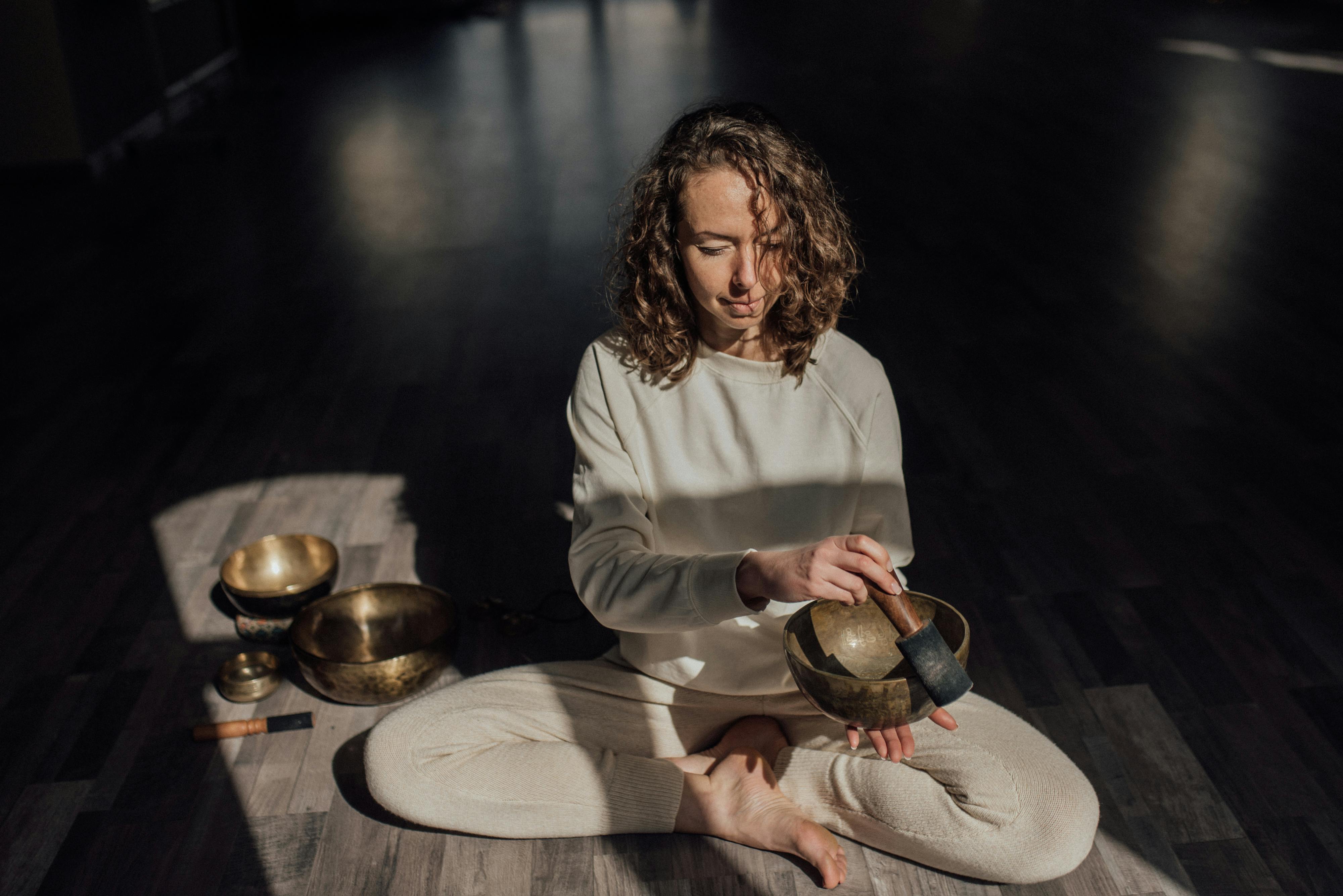
This practice trades silence for sound, offering the mind a softer way to stay present. Instead of watching the breath or scanning the body, attention rests on what’s heard - tones from a singing bowl, gentle chimes, ambient layers, or even a low, steady hum. The key isn’t to think about the sound, but to let it fill the space, moment by moment. Listening becomes the anchor. The mind can follow without needing to problem-solve or narrate.
Some people listen through headphones. Others prefer the full-body feel of a live sound bath. What matters isn’t the source, but the sensation. These sounds often move slowly, without melody or rhythm, and that unpredictability is part of what draws the mind in. It’s especially useful on days when silence feels like a wall. Sound creates something to lean into - something that holds your attention just enough to keep it from drifting too far. Nothing forced. Just steady, immersive presence.
This practice isn’t about calming down or feeling better right away. It’s about making space for what’s already there. Emotional awareness meditation asks you to turn toward your feelings - however messy or sharp they are - and simply notice how they show up in the body. Maybe it’s a tight chest, a lump in the throat, pressure behind the eyes. Instead of labeling these sensations or trying to fix them, the practice is to sit with them. Just being present, without bracing or running.
It’s not the most relaxing style, but it’s one of the most honest. Over time, it helps build the ability to stay grounded even in uncomfortable states. Frustration, grief, fear - they lose some of their grip when they’re allowed to exist without being pushed away. This kind of meditation often shows up in trauma-sensitive or therapeutic spaces, but it can be just as powerful when practiced privately. Especially during moments when emotions feel like too much, this practice quietly teaches that “too much” can still be witnessed, breath by breath.
There’s no universal best here. Some people feel more at home in silence. Others need a voice, a rhythm, or something to look at. What works one week might not land the next. And that’s fine. Picking a meditation style isn’t a lifetime commitment - it’s just finding what helps right now.
If the idea of sitting still sounds exhausting, skip it. If silence feels like pressure, don’t force it. Meditation doesn’t need to be serious or structured to be useful. The best starting point is something that feels easy to return to.
Small preferences matter. They shape what actually works.
One of the most common blocks to meditation is trying to pick the “right” one in the abstract - like planning a diet you’ll never follow. It’s more useful to notice what kind of support the body and mind need today.
It doesn’t have to be deep to be effective. Sometimes the most helpful session is five minutes of letting go.
The style that worked last month might feel flat today. That doesn’t mean it stopped working - it just means the nervous system needs something new. Some people rotate between three or four types depending on the day. That’s not inconsistency. That’s awareness.
There’s no need to force yourself to like something just because it’s traditional or trending. Meditation isn’t a test of discipline - it’s a way back to center. And you’ll get there faster by listening to what actually helps.
There’s no right answer when it comes to meditation. Some people land in mindfulness and stay there. Others move between sound, movement, breath, and visual practices depending on what the day calls for. The point isn’t to master anything. It’s to keep showing up, in a way that doesn’t feel like friction. If you try a method and it doesn’t click, that’s not failure - it’s information. And there’s always something else to try.
Meditation doesn’t need to be long or serious to be useful. Sometimes a few quiet minutes with your eyes closed is enough. Other times, a guided voice or a moving pattern on a screen is what helps the mind finally settle. Wherever you start, let it be simple. Let it be yours.
I canceled my subscription with Headspace and I now pay for Mesmerize instead. I was hooked after the free trial! I love how customizable the sounds, meditations, and visuals are! Using this app has honestly become my favorite part of my day! ☺️ It helps me relax, meditate, visualize, sleep, and it does wonders for my anxiety/phobia/ocd tendencies. Thank you Mesmerize for giving us this amazing mental health tool! I told my therapist about this app and have been telling all my friends too. It’s just so helpful!
This is the second or third app in the mindfulness and meditation realm, and it’s the most scientific approach I have found. I have found these combinations of open monitoring, and focused attention meditation techniques are the most viable for those suffering from more severe forms of sleep, pain, and anxiety dysfunction one may be suffering from. Many of these approaches are used by professionals in a cognitive behavioral therapy setting. A truly complete approach in mindfulness and meditation.
I suffer from clinical depression and sometimes I get into a bad headspace but this app has really helped me whenever I’m in a bad mood I turn on the app listen to some person taking about breathing and look at cool figures on my phone and it makes me feel so much better I would highly recommend this app it’s worth the money
It didn’t take but five minutes of using this app to buy a yearly subscription. Worth it on so many levels. Easy to manipulate to what I like. Massive library of music, videos, etc.
Clear your mind and relax with a unique audio visual meditation experience.


.jpeg)