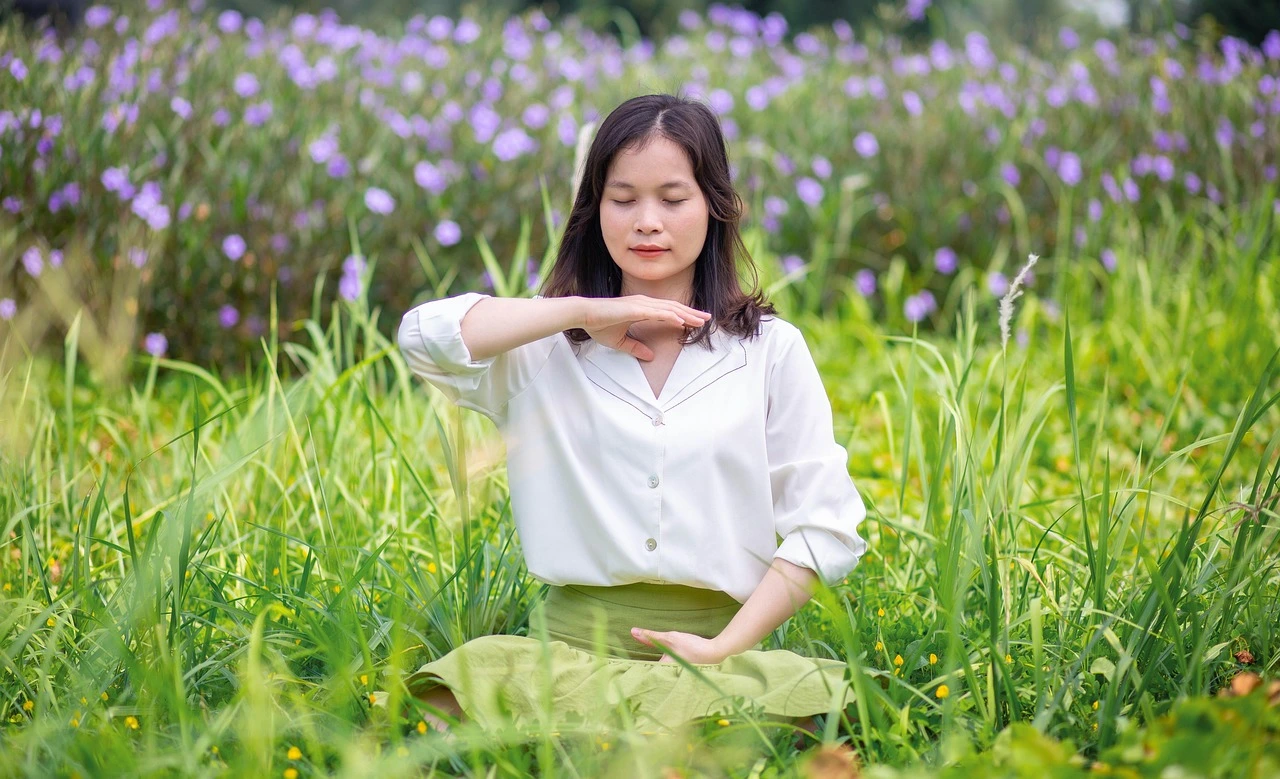
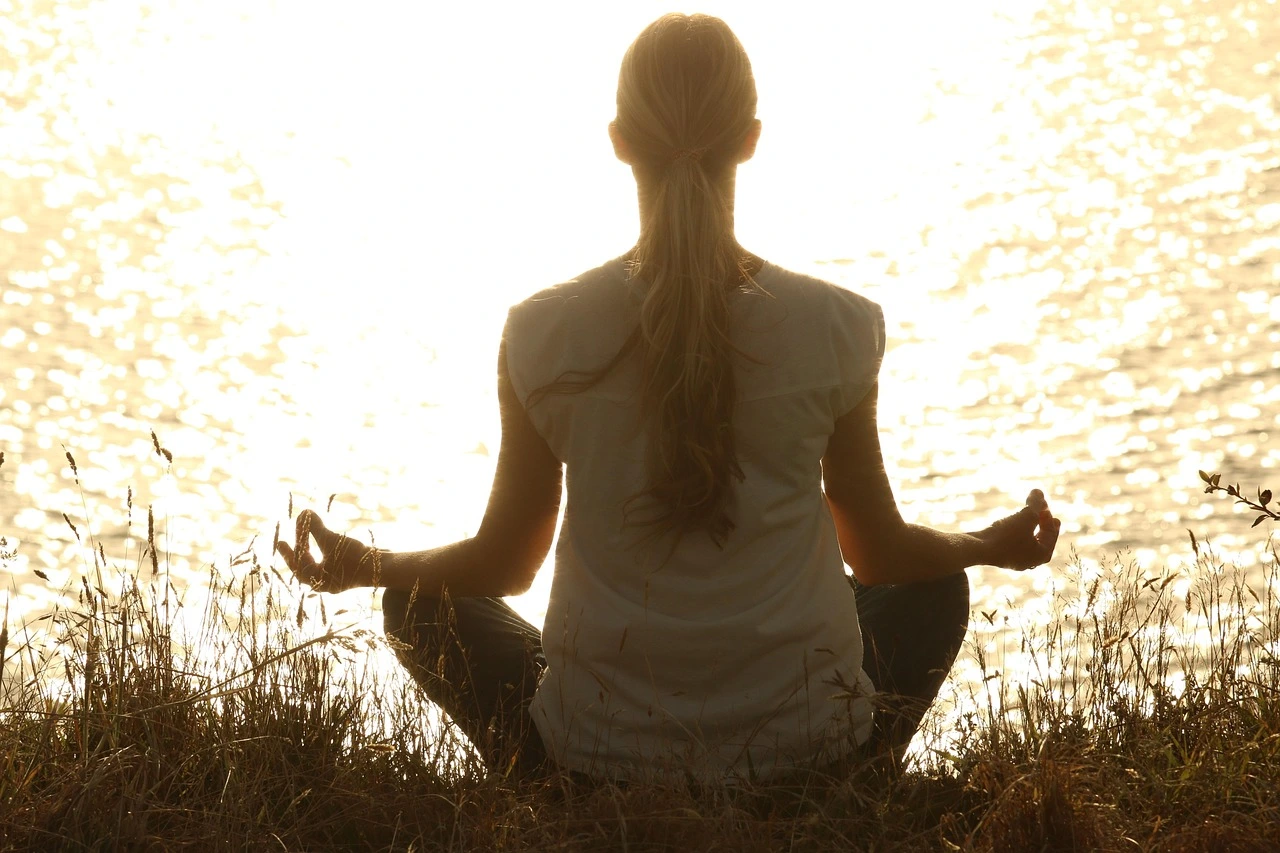
Learn how walking meditation helps reconnect with the body, calm the mind, and turn everyday movement into a moment of real presence.
.webp)
Most people think of meditation as sitting still with closed eyes. But it doesn’t have to look like that. Walking meditation shifts the focus to the rhythm of movement - feeling each step, noticing sounds and sensations, and letting the body become the anchor. It’s not about walking slowly on a mountaintop or tuning out the world. It’s about tuning in, wherever the feet happen to be. Some do it in parks, others on city streets, a few even on the way to the grocery store. There's no right pace or path - just a chance to be where you already are, more fully.
Walking meditation is exactly what it sounds like - being mindful while walking - but it feels a bit different than the usual image of meditation. There’s no cushion, no closed eyes, no incense. Just motion, breath, gravity, and attention. It turns something as ordinary as walking into a moment of presence. You’re not trying to go anywhere special. The point is to notice how it feels to be here - feet touching the ground, body shifting, air moving around you.
There’s something quietly powerful about it. Maybe it’s the rhythm. Maybe it’s the way the body becomes a focus without needing to sit still. Some people find walking meditation easier than seated practice because there’s less pressure to “empty the mind.” The motion itself takes care of part of that. And it’s accessible - you don’t need a forest, or a quiet retreat space. Any stretch of hallway, sidewalk, or park path will do. The only real requirement is noticing.

At Mesmerize, we designed the app to support not just seated meditation, but mindful movement too. From day one, we focused on creating sensory tools that help people ground themselves - whether they’re lying down, sitting still, or walking through a crowded city. Our immersive audio layers and guided narrations are flexible enough to follow your rhythm, providing a sensory anchor that doesn't interrupt your movement.
We made sure everything inside Mesmerize could adapt to different kinds of practice. That includes walking. Users can keep the narration on, set their own breathing tempo, or play ambient soundscapes like rain and wind. While we recommend keeping your eyes on your path, our audio layers provide a steady anchor for your movement. The app doesn't ask for full attention - it meets people where they are and offers just enough to gently hold their focus.
Mesmerize is available on iOS and Android, with offline mode built in for uninterrupted use outdoors. Whether someone’s pacing a hallway, walking under trees, or just trying to settle their nerves mid-commute, we built Mesmerize to be portable, customizable, and quietly supportive - not demanding.
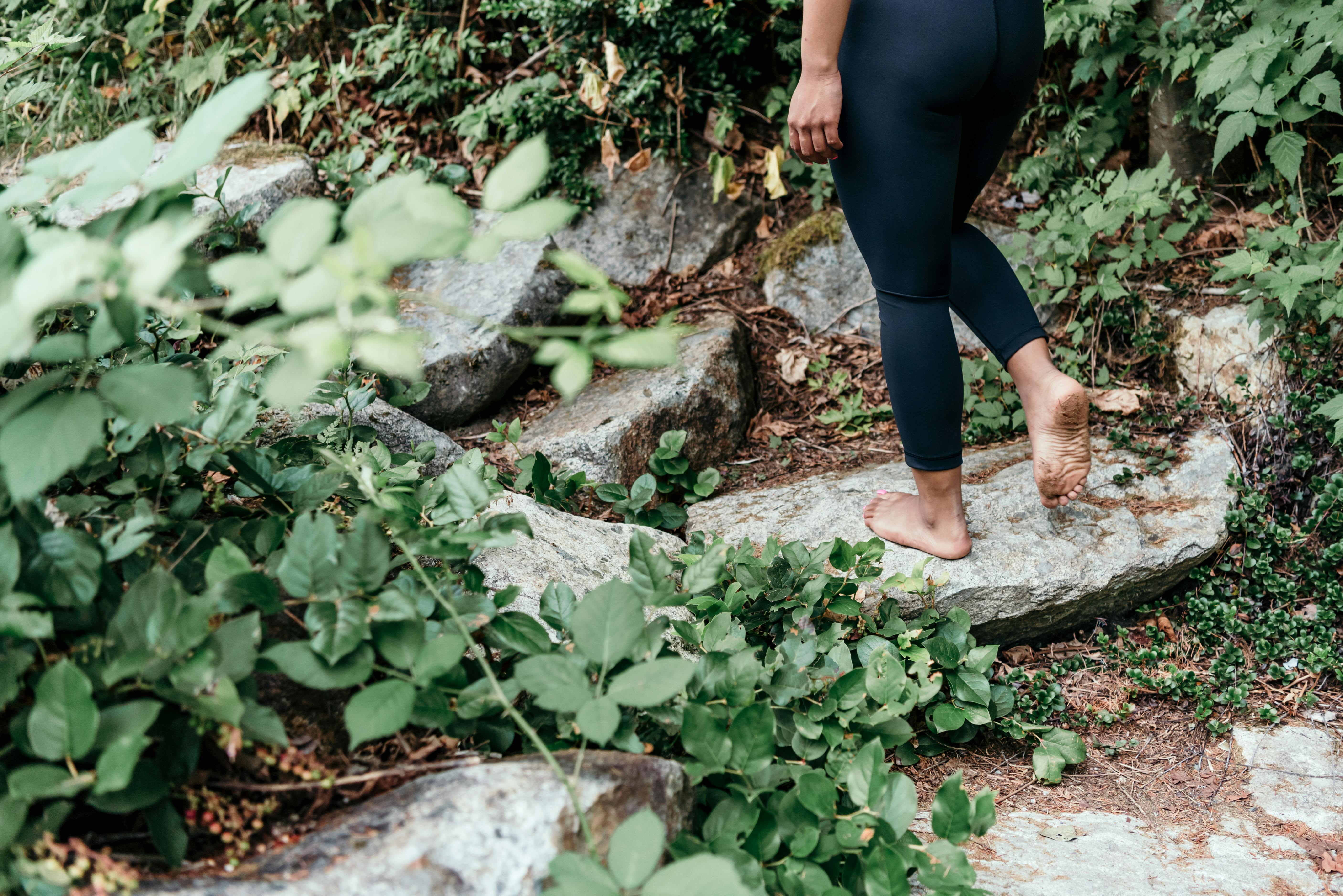
There’s no need for silence, stillness, or a perfect pace - just a willingness to pay attention while your body’s in motion.
There’s no special posture or magic pace required. You can walk slowly, naturally, or somewhere in between. Start by standing still for a moment and just noticing how your body feels. The pull of gravity, the way your feet touch the ground, your balance shifting slightly as you breathe - all of it counts. Then begin to walk. Don’t try to change anything. Just notice what’s already happening.
The feet are a good anchor. They give you something solid to focus on, especially if your mind feels jumpy. Pay attention to how each foot lifts, moves through the air, and lands. Feel the shift in weight from one leg to the other. You don’t need to narrate it or analyze it - just stay with the sensations. If your mind wanders (it will), gently bring it back to the rhythm of your steps.
Unlike seated meditation, this isn’t about closing off the world. It’s the opposite. Let sounds, colors, smells, and textures come and go. Feel the air on your skin. Notice the light. Let yourself experience the environment without chasing it or blocking it out. It's not about zoning out - it's about tuning in, softly.
If you get lost in thought, that’s fine. It’s part of it. The whole practice is just noticing when you’ve drifted and coming back to the experience of walking. You don’t have to force anything or get it “right.” There’s no score. Just keep returning to the body, to the motion, to the now.
This can be a three-minute reset in the middle of your day or a longer session when you need to clear your head. You can walk inside, outside, back and forth in a hallway, or through a park. The length doesn’t matter nearly as much as the quality of attention you bring to it. It's a moving pause - and some days, that’s exactly enough.
There’s a kind of clarity that shows up when walking through real weather. A little drizzle, a cold breeze, the way sunlight filters through bare trees - all of it wakes up the senses in ways a perfectly controlled environment never could. It’s not always cozy, but that’s part of the appeal. The sound of rain on leaves, the smell of wet earth, even the feel of your hair sticking to your skin - these are real, grounding, and oddly calming when noticed with full attention.
Walking meditation in nature doesn’t ask for anything fancy. A park path works. So does a quiet sidewalk with a few trees. The point isn’t to escape discomfort but to meet it gently, with awareness. Let the rhythm of your steps match the rhythm of falling rain or rustling leaves. Notice how your body reacts to cold, or light, or sudden wind - not with judgment, just curiosity. These details, often overlooked, are where the mind starts to settle. Not in spite of the weather, but because of it.
Some benefits are obvious right away - like when your shoulders finally drop or your thoughts stop racing for a minute. Others take shape over time: here’s what people often notice when they stick with walking meditation:
It’s simple. But not in a shallow way: more like the kind of simple that actually works

Two ways in. Same goal: attention, calm, and just feeling a bit more like yourself.
Sitting meditation has its place. It’s quiet, contained, and helps you notice subtler layers - like thoughts drifting in, or emotions hiding under the surface. For some, that stillness creates the clearest kind of focus. The body stays still so the mind has space to move, observe, and eventually settle.
Walking meditation offers something more physical, more anchored. It’s especially helpful when the mind feels too restless or the body too tense to sit still. The rhythm of walking becomes the focus. There’s no need to force stillness - the calm shows up in motion.
Neither one is better. They just work differently: some days call for stillness, others call for moving with it.
Walking meditation isn’t something that needs its own time slot - though it’s great when it gets one. More often, it slips into the in-between moments. From the car to the office. Down the hallway. On the walk home from the store. It’s not about walking slowly or looking like you're doing anything special. It’s about attention: feeling your steps, noticing your breath, and not rushing past your own experience.
Some people pair it with sound - a calming audio track, a quiet narration, or a visual-breathing rhythm from a meditation app. Others prefer silence, or just the ambient noise of their neighborhood. Either way, the idea is the same: let the movement become a pause. A moving reset. One that doesn’t interrupt life, but fits right into it.
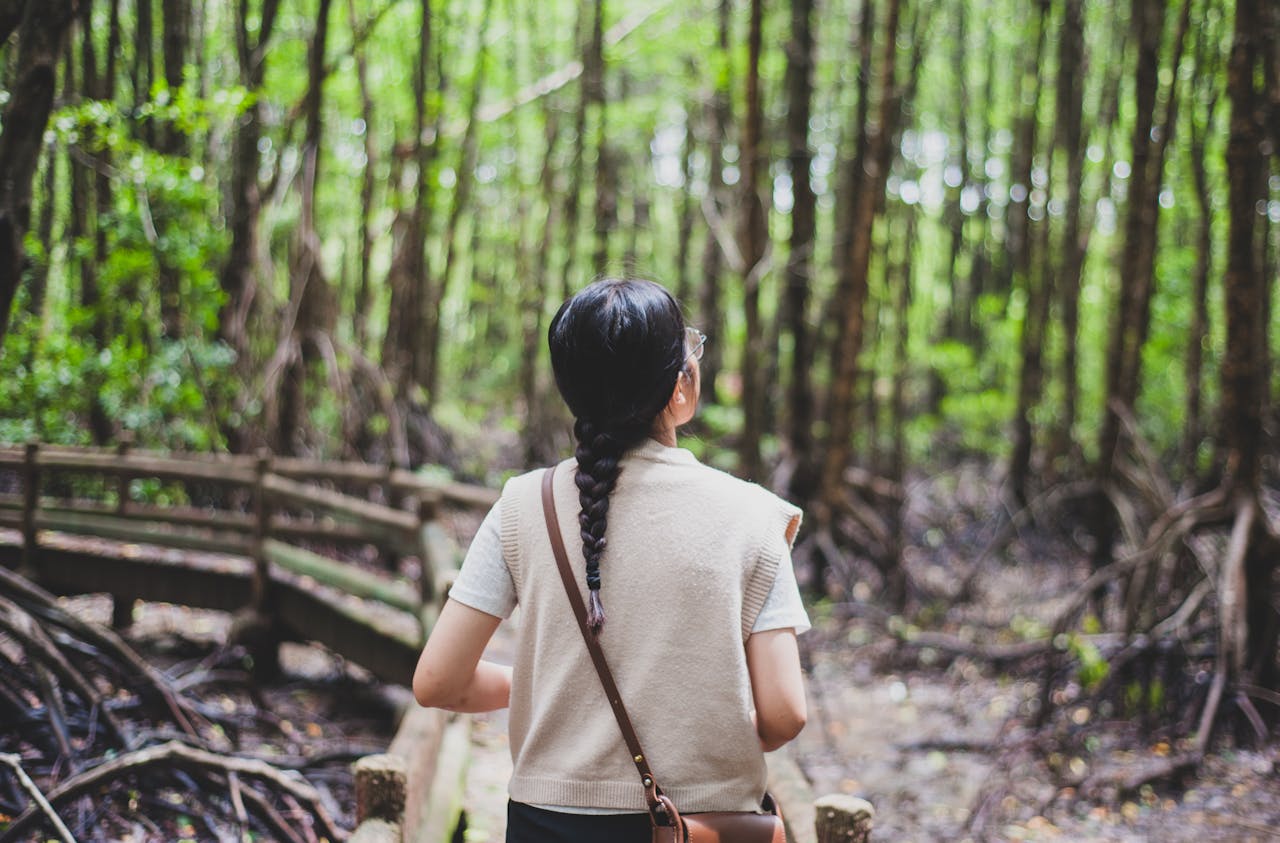
Walking meditation is easy to overcomplicate. The idea is simple: stay connected to what’s happening while you move. But a few common misunderstandings can make it feel more rigid than it needs to be:
Letting go of unnecessary rules is often what makes walking meditation finally feel accessible.
Walking meditation has a way of sneaking up on people. It starts as something simple - just moving with awareness - and slowly becomes a reliable way to pause, reset, or feel a little more grounded in the middle of a loud day.
There’s no perfect pace, no right surface, no correct soundtrack. That’s what makes it work. When done with some consistency, even for a few minutes at a time, it creates a kind of rhythm the nervous system starts to trust. Some use it to start the day. Others lean on it when their mind won’t settle. Either way, it’s a quiet tool that stays useful - even when everything else feels a bit too much.
I canceled my subscription with Headspace and I now pay for Mesmerize instead. I was hooked after the free trial! I love how customizable the sounds, meditations, and visuals are! Using this app has honestly become my favorite part of my day! ☺️ It helps me relax, meditate, visualize, sleep, and it does wonders for my anxiety/phobia/ocd tendencies. Thank you Mesmerize for giving us this amazing mental health tool! I told my therapist about this app and have been telling all my friends too. It’s just so helpful!
This is the second or third app in the mindfulness and meditation realm, and it’s the most scientific approach I have found. I have found these combinations of open monitoring, and focused attention meditation techniques are the most viable for those suffering from more severe forms of sleep, pain, and anxiety dysfunction one may be suffering from. Many of these approaches are used by professionals in a cognitive behavioral therapy setting. A truly complete approach in mindfulness and meditation.
I suffer from clinical depression and sometimes I get into a bad headspace but this app has really helped me whenever I’m in a bad mood I turn on the app listen to some person taking about breathing and look at cool figures on my phone and it makes me feel so much better I would highly recommend this app it’s worth the money
It didn’t take but five minutes of using this app to buy a yearly subscription. Worth it on so many levels. Easy to manipulate to what I like. Massive library of music, videos, etc.
Clear your mind and relax with a unique audio visual meditation experience.

.jpeg)