Discover which binaural beat frequencies work best for meditation based on scientific research. Theta, alpha, and delta waves explained with practical tips.
.webp)
The best binaural beats for meditation include theta waves (4-8 Hz) for deep relaxation, alpha waves (8-14 Hz) for calm focus, and delta waves (1-4 Hz) for restorative states. Research from MIT and multiple NIH studies shows that specific frequencies like 6 Hz and 40 Hz gamma stimulation can measurably affect brain activity and cognitive function when used consistently.
Binaural beats have moved from fringe wellness trend to legitimate research subject. Scientists at institutions like MIT are now studying how specific frequencies affect brain health, particularly in areas like Alzheimer's treatment and cognitive enhancement.
But here's the thing—not all binaural beats work the same way. Different frequencies produce different mental states, and understanding which ones align with meditation goals makes all the difference.
This guide breaks down what actually works, according to peer-reviewed research published in medical journals and academic institutions.
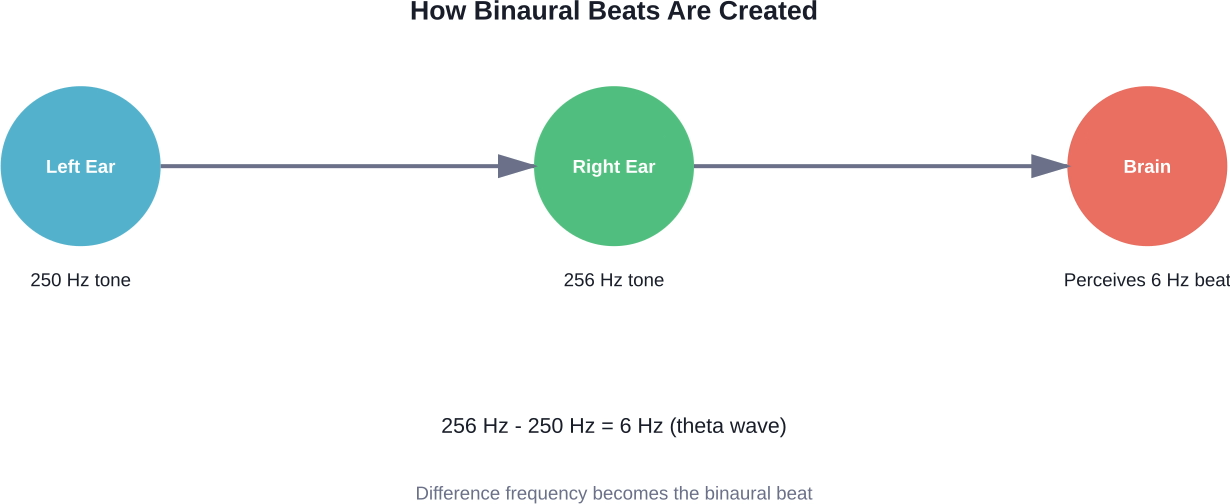
Binaural beats occur when two tones of different frequencies are presented separately to each ear. The brain perceives a third tone oscillating at the difference frequency between the two.
For example, if one ear receives a 250 Hz tone and the other receives a 256 Hz tone, the brain perceives a 6 Hz binaural beat.
According to a systematic review published in PLOS ONE, this auditory phenomenon can potentially influence brain oscillatory activity when the difference frequency matches natural brainwave patterns.
The catch? Headphones are required. Without them, the two tones mix acoustically before reaching the ears, eliminating the binaural effect entirely.
The mechanism behind binaural beats involves what researchers call "brainwave entrainment." This is the brain's tendency to synchronize its electrical activity to external rhythmic stimuli.
When exposed to binaural beats, neurons may begin firing at rates that match the perceived beat frequency. Studies have measured this using event-related potentials (ERPs) and auditory steady-state responses (ASSRs).
Research published by NIH examined left and right hemisphere dominance during binaural beat exposure. The findings showed that 3 Hz beats produced left hemisphere dominance after 15 minutes, and 15 Hz beats showed left hemisphere dominance after 5 minutes, while 10 Hz beats showed right hemisphere dominance after 25 minutes.
Real talk: the science is still developing. While some studies show measurable brain changes, others find minimal effects. The quality of research varies considerably.
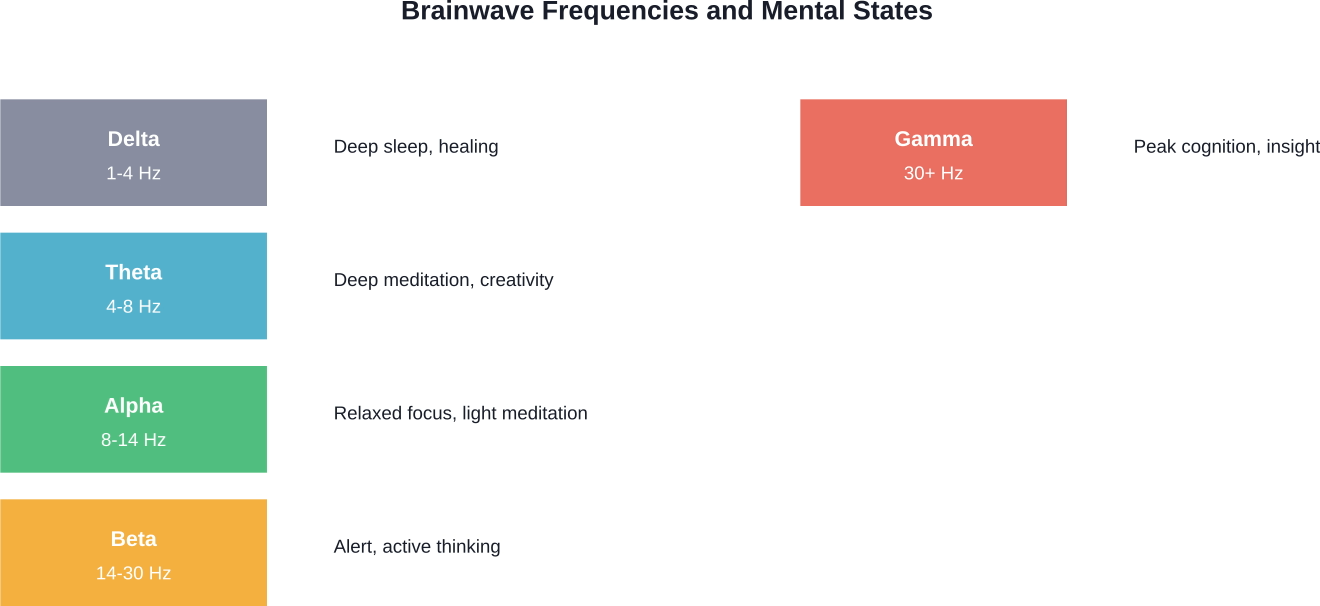
Theta frequencies are consistently cited as optimal for deep meditative states. This range corresponds to the brain activity seen during REM sleep and profound relaxation.
A study published in Scientific Reports examined the effects of daily listening to 6 Hz binaural beats over one month. Sixty healthy subjects listened for 10 minutes daily, and researchers measured cognitive alterations using event-related potentials.
The 6 Hz frequency sits squarely in the theta range and has been used in multiple research protocols. Community discussions frequently mention this frequency for achieving deeper meditation states without falling asleep.
Theta beats work particularly well for practices focused on visualization, insight, and accessing subconscious patterns. The slower oscillation matches the brain's natural rhythm during deep meditation.
Alpha frequencies bridge the gap between active thinking and deep relaxation. This makes them ideal for beginners or meditation styles that maintain some awareness and focus.
According to research on hemisphere dominance, 15 Hz beats (upper alpha range) showed left hemisphere dominance after just 5 minutes of exposure. This suggests alpha waves can quickly shift brain states.
Alpha binaural beats are commonly associated with serotonin, dopamine, and endorphin release, though the direct biochemical mechanisms remain under investigation. These frequencies appear in meditation music specifically designed for mood enhancement and stress reduction.
For mindfulness meditation that maintains present-moment awareness, alpha frequencies provide relaxation without the drowsiness that lower frequencies can produce.
Delta frequencies represent the slowest brainwave category, associated with deep dreamless sleep and profound healing states.
The 3.2 Hz delta frequency appears frequently in meditation content aimed at sleep preparation and physical restoration. While not meditation in the traditional sense, delta-enhanced deep rest serves important recovery functions.
Research shows delta dominance during deep sleep stages when growth hormone release and cellular repair peak. Meditation practitioners sometimes use delta frequencies for body-scan practices or yoga nidra sessions.
The challenge with delta beats? Staying conscious. Most people drift into actual sleep rather than maintaining meditative awareness at these low frequencies.
Gamma represents the fastest brainwave category, and emerging research suggests it plays crucial roles in brain health.
According to MIT News published in March 2025, a decade of studies provides growing evidence that 40 Hz gamma stimulation could help fight Alzheimer's disease. Scientists at The Picower Institute for Learning and Memory have tested whether sensory stimulation at this frequency can treat neurological diseases in both animals and humans.
The 40 Hz frequency appears in advanced meditation practices associated with peak states, insight, and heightened awareness. However, one study examined in the systematic review implemented a frequency of 57.3 Hz (upper gamma band), which means that the assumed threshold for binaural beat perception was actually exceeded.
Gamma beats aren't typically recommended for beginners. The faster oscillation can feel stimulating rather than calming.
A comprehensive review published in Frontiers in Digital Health examined integrating music therapy, brainwave entrainment methods, and AI-driven biofeedback. The review addressed mental health disorders and cognitive decline, examining non-pharmacological interventions targeting emotional dysregulation and memory deficits.
Here's what researchers have consistently found:
According to a systematic review, continuous presentation of the binaural beats was used in 13 studies, ranging from one to 30 minutes of continuous stimulation. Duration matters—shorter exposures may not produce measurable effects, while excessively long sessions haven't shown proportional benefits.
Research on teenage mental wellbeing published in Frontiers in Psychology (2021) examined combining Heartfulness Meditation with audio brainwave entrainment. From 2007 to 2017, there was a 5% increase in teens aged 12-17 that experienced at least one major depressive episode in the past year (NSDUH, 2017).
But wait—does this prove binaural beats work?
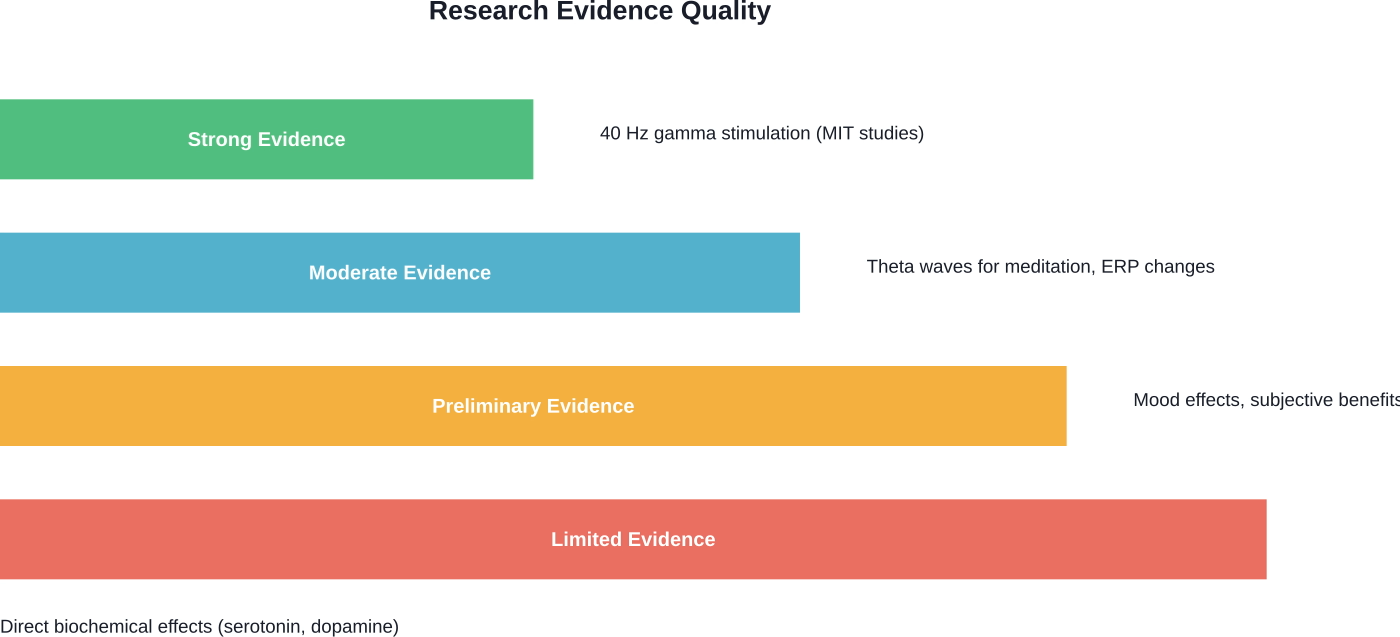
Not exactly. The systematic review in PLOS ONE concluded that while binaural beats show promise, study quality varies considerably. Many experiments lack proper control groups, use small sample sizes, or fail to account for placebo effects.
Based on available research and documented usage patterns, several practical considerations emerge.
Most research protocols use sessions between 10 and 30 minutes. The month-long study of 6 Hz beats used 10-minute daily sessions, suggesting consistency matters more than duration.
Starting with shorter sessions (10-15 minutes) allows the brain to adapt gradually. Some practitioners report better results with daily use rather than occasional longer sessions.
Over-ear headphones generally provide better frequency separation than earbuds. The goal is clean delivery of distinct frequencies to each ear without acoustic mixing.
Noise-canceling features can help maintain the binaural effect by reducing environmental interference, though they aren't strictly necessary.
Research studies have used various carrier tones. One study used a 250 Hz carrier tone with 500 ms duration to produce 26 Hz beats, measuring auditory steady-state response at the right parietal and left middle frontal regions.
The carrier frequency (the actual tones heard) matters less than the difference frequency (the perceived beat). Most commercial binaural beat tracks use carrier tones between 200-500 Hz for comfortable listening.

Binaural beats are often used during meditation to create calming sound environments that help the mind relax and focus. Many people use these sounds as part of their regular mindfulness routine.
Mesmerize pairs relaxing audio with slow visual breathing patterns and guided meditation sessions to create a simple environment for relaxation and focus.
The app includes:
If you want to explore meditation with both sound and visual guidance, try Mesmerize - available on the App Store or Google Play.
Several platforms offer binaural beat meditation tracks, though quality varies significantly.
Spotify hosts playlists dedicated to binaural beats meditation, featuring tracks with different frequency targets. YouTube contains extensive libraries of binaural beat content, including specific frequencies like 3.2 Hz delta waves for sleep and 6 Hz theta for meditation.
Insight Timer provides free binaural beat meditations alongside guided sessions. The platform allows filtering by frequency type and duration.
When selecting sources, check whether the creator specifies the actual frequencies used. Vague descriptions like "relaxation frequency" without technical details suggest less rigorous production.
Binaural beats aren't universally effective, and some people report adverse reactions.
Research indicates individual variation in response. Some people show clear brainwave entrainment on EEG measurements, while others demonstrate minimal changes despite identical exposure.
Reported side effects include headaches, nausea, and increased anxiety—particularly at higher frequencies or with prolonged use. The systematic review noted these effects in a subset of study participants.
People with epilepsy or seizure disorders should consult medical professionals before using binaural beats, as rhythmic stimulation could theoretically trigger seizures in susceptible individuals.
Sound familiar? These limitations don't invalidate the technique, but they do suggest binaural beats work better as one tool among many rather than a standalone solution.
Many practitioners integrate binaural beats into established meditation practices rather than using them in isolation.
The Heartfulness Meditation study combined traditional meditation techniques with brainwave entrainment, suggesting synergistic effects. The meditation provides the mental framework while the auditory stimulation potentially facilitates the desired brain state.
For mindfulness practices, alpha frequencies can support the relaxed-yet-alert state that mindfulness cultivates. For transcendental or mantra-based meditation, theta frequencies may deepen the experience.
The key is matching frequency to practice. Vipassana sessions focusing on intense concentration might benefit from upper alpha or low beta ranges, while practices emphasizing surrender and letting go align better with theta.
The evidence base continues expanding, but conclusions remain qualified.
MIT's decade of research on 40 Hz gamma stimulation for Alzheimer's represents serious institutional investment in frequency-based interventions. Scientists worldwide are now investigating these approaches, as noted in the March 2025 news release.
The systematic review in PLOS ONE analyzed multiple studies examining binaural beats' effects on brain oscillatory activity. While some studies showed measurable changes, methodological quality varied significantly.
A review published in Basic and Clinical Neuroscience examined binaural beats and the brain, looking at auditory beat stimulation's potential applications in cognitive domains. The review emphasized the need for better-designed studies with larger sample sizes.
The honest assessment? Binaural beats show promise, particularly in specific frequency ranges like theta for meditation and gamma for cognitive health. But they're not a miracle intervention, and individual responses vary considerably.
Matching binaural beat frequency to meditation intention improves results.
Beginners often benefit from starting with alpha frequencies (10-12 Hz). These produce noticeable relaxation without the disorientation that deeper theta states can initially cause.
Experienced meditators can experiment with theta frequencies (4-8 Hz) for deeper states. The 6 Hz frequency used in the month-long research study represents a solid middle-ground theta frequency.
For sleep-focused meditation or yoga nidra, delta frequencies (1-4 Hz) support the transition toward rest. The 3.2 Hz frequency appears commonly in sleep-preparation content.
Advanced practitioners exploring peak states might investigate gamma frequencies around 40 Hz, though these feel more stimulating than traditionally "meditative."
Binaural beats offer a science-backed approach to supporting meditation practice, particularly in theta (4-8 Hz) and alpha (8-14 Hz) frequency ranges.
Research from institutions like MIT and studies published in medical journals provide growing evidence that specific frequencies can influence brain activity. The 6 Hz theta frequency, 40 Hz gamma stimulation, and various alpha frequencies show the most consistent research support.
That said, binaural beats aren't magic. Individual responses vary, and they work best integrated into broader meditation practices rather than used in isolation.
Start with alpha frequencies if new to meditation, progress to theta for deeper states, and use delta for sleep preparation. Monitor personal response and adjust accordingly.
Ready to experiment? Try a 10-minute session with 6 Hz theta beats using quality headphones. Track subjective effects over several weeks before making conclusions about effectiveness. Consistency matters more than duration, and combining binaural beats with established meditation techniques produces better results than either approach alone.
I canceled my subscription with Headspace and I now pay for Mesmerize instead. I was hooked after the free trial! I love how customizable the sounds, meditations, and visuals are! Using this app has honestly become my favorite part of my day! ☺️ It helps me relax, meditate, visualize, sleep, and it does wonders for my anxiety/phobia/ocd tendencies. Thank you Mesmerize for giving us this amazing mental health tool! I told my therapist about this app and have been telling all my friends too. It’s just so helpful!
This is the second or third app in the mindfulness and meditation realm, and it’s the most scientific approach I have found. I have found these combinations of open monitoring, and focused attention meditation techniques are the most viable for those suffering from more severe forms of sleep, pain, and anxiety dysfunction one may be suffering from. Many of these approaches are used by professionals in a cognitive behavioral therapy setting. A truly complete approach in mindfulness and meditation.
I suffer from clinical depression and sometimes I get into a bad headspace but this app has really helped me whenever I’m in a bad mood I turn on the app listen to some person taking about breathing and look at cool figures on my phone and it makes me feel so much better I would highly recommend this app it’s worth the money
It didn’t take but five minutes of using this app to buy a yearly subscription. Worth it on so many levels. Easy to manipulate to what I like. Massive library of music, videos, etc.
Clear your mind and relax with a unique audio visual meditation experience.


.jpeg)