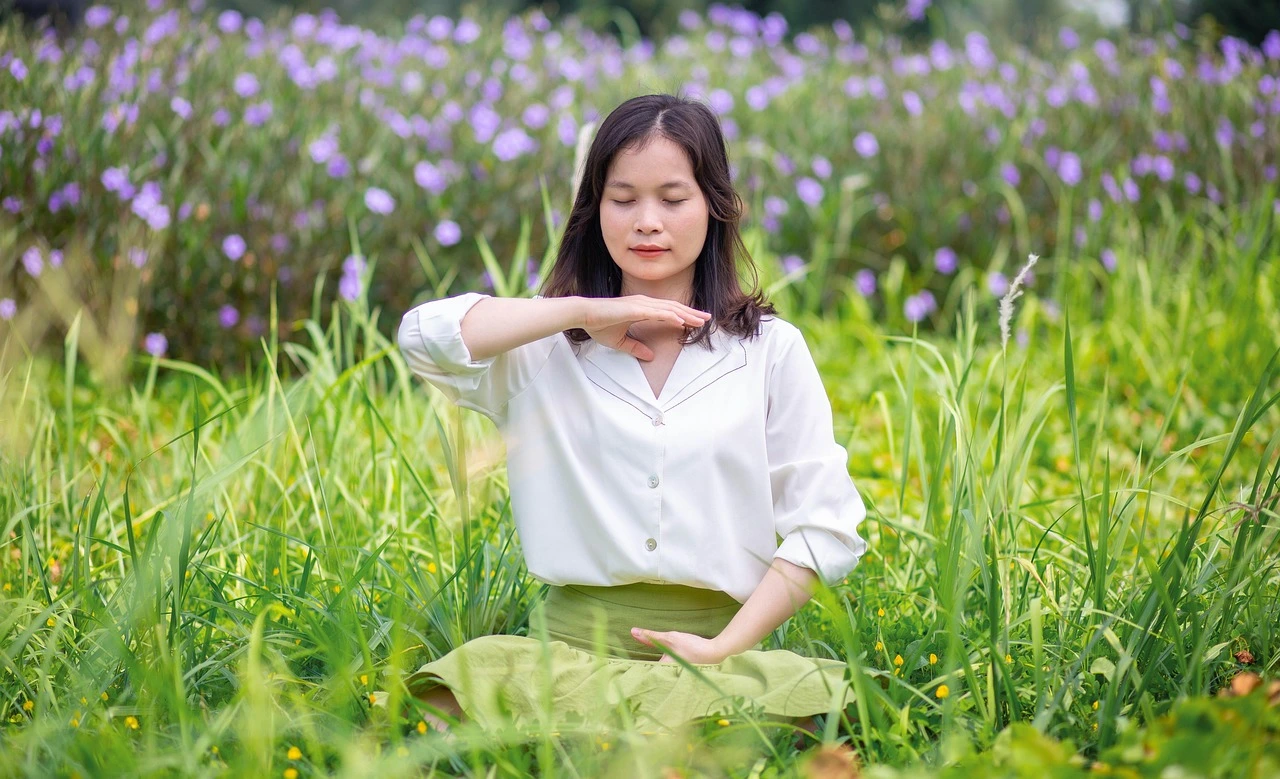
Discover the best meditation posture for your practice. From chair sitting to lotus pose, find comfortable positions that support alignment and focus.
.webp)
The best meditation posture is one that supports an upright spine, stable base, and relaxed alertness—whether sitting cross-legged, in a chair, kneeling, or standing. Comfort and sustainability matter more than achieving advanced poses like full lotus. Start with what allows 5-10 minutes of focus, then gradually build duration as your body adapts.
Finding the right meditation posture can feel overwhelming when starting out. Should the legs cross a certain way? Does it need to look like those photos of monks in perfect lotus position?
Here's the thing though—the best meditation position is simply the one that works for your body. The National Center for Complementary and Integrative Health notes that meditation practices emphasize mind and body integration, and that integration starts with physical comfort.
The goal isn't achieving some Instagram-worthy pose. It's creating a stable foundation that allows the mind to settle without fighting constant discomfort.
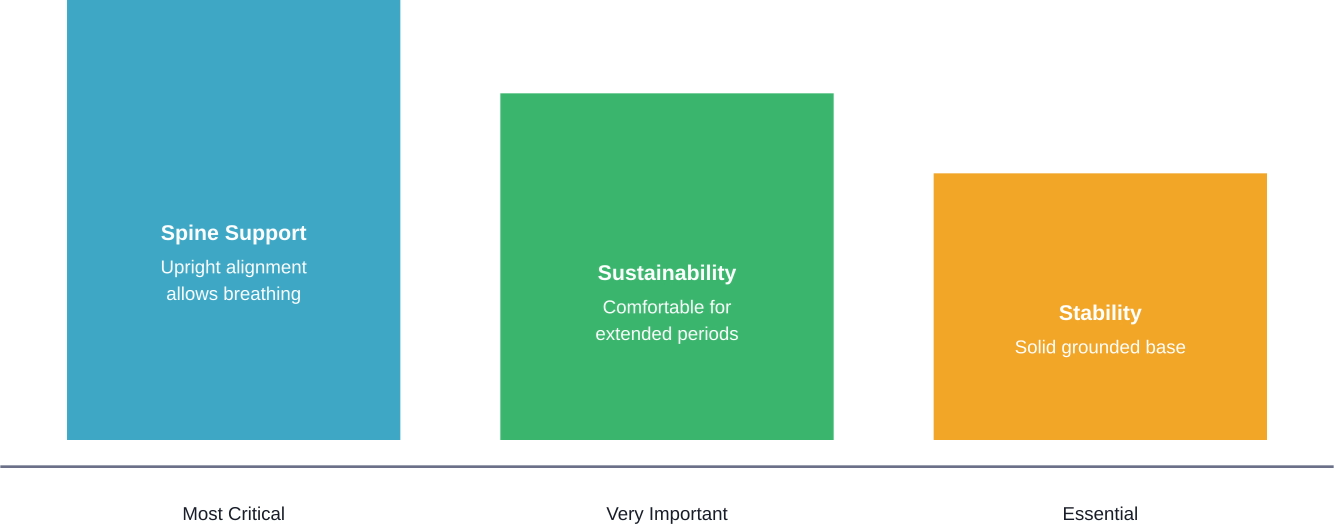
Before exploring specific positions, understanding the core principles helps. Any effective meditation posture shares three essential qualities.
First, the spine needs support. An upright but not rigid spine allows natural breathing and prevents the slouching that leads to drowsiness. Think of it as alert relaxation rather than military stiffness.
Second, the position must be sustainable. According to the Calm Blog, beginners should start with 5-10 minutes and increase over time. A pose that becomes painful after three minutes won't support longer sessions as the practice develops.
Third, stability matters. The body needs a solid base—whether that's feet planted on the floor, crossed legs grounded on a cushion, or knees supported in a kneeling position. Wobbling or constant readjustment breaks concentration.
Mayo Clinic research on mindfulness practices emphasizes that meditation is a physical practice requiring balance of the erect (but not stiff) upper torso, similar to a balanced yoga pose maintained for extended periods.
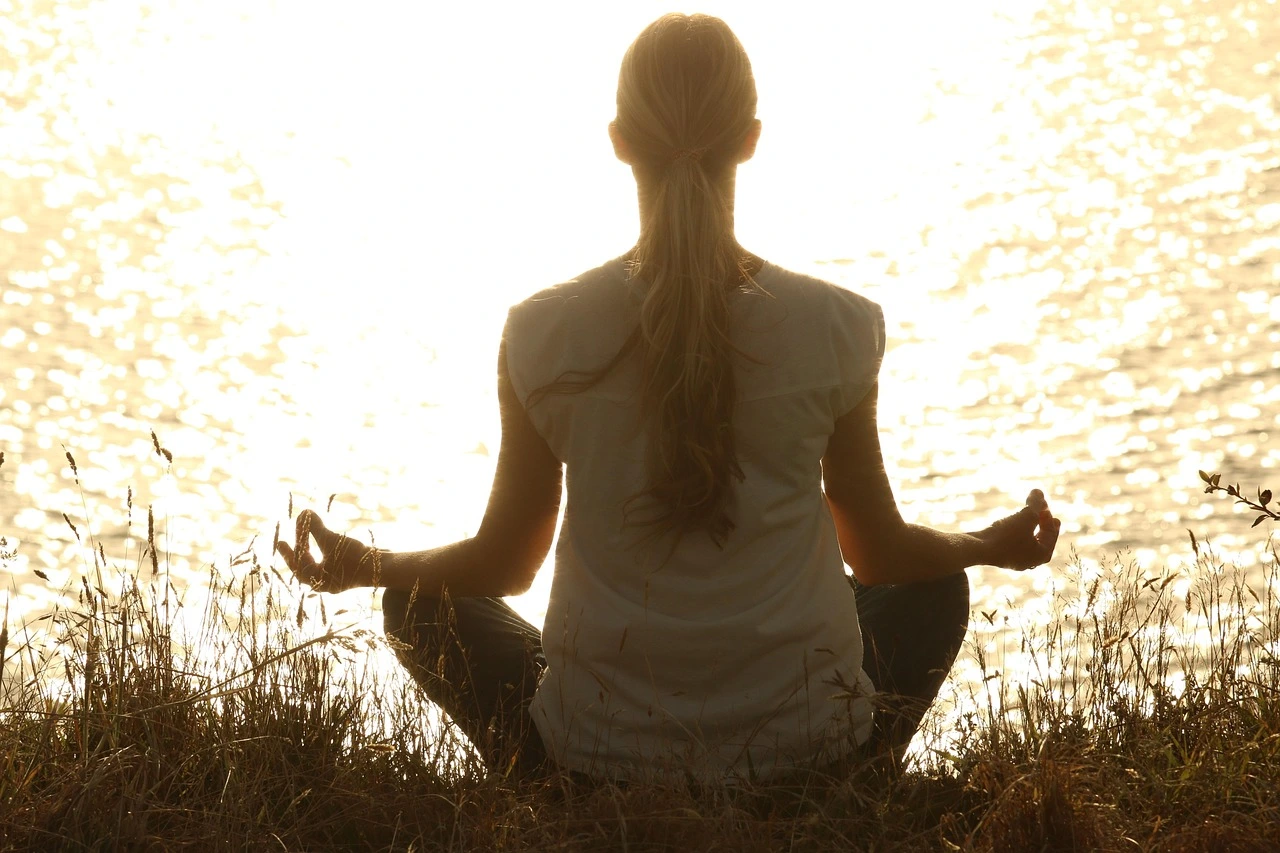
Seated positions dominate traditional meditation practices. They offer the stability needed for longer sessions while maintaining alertness better than lying down.
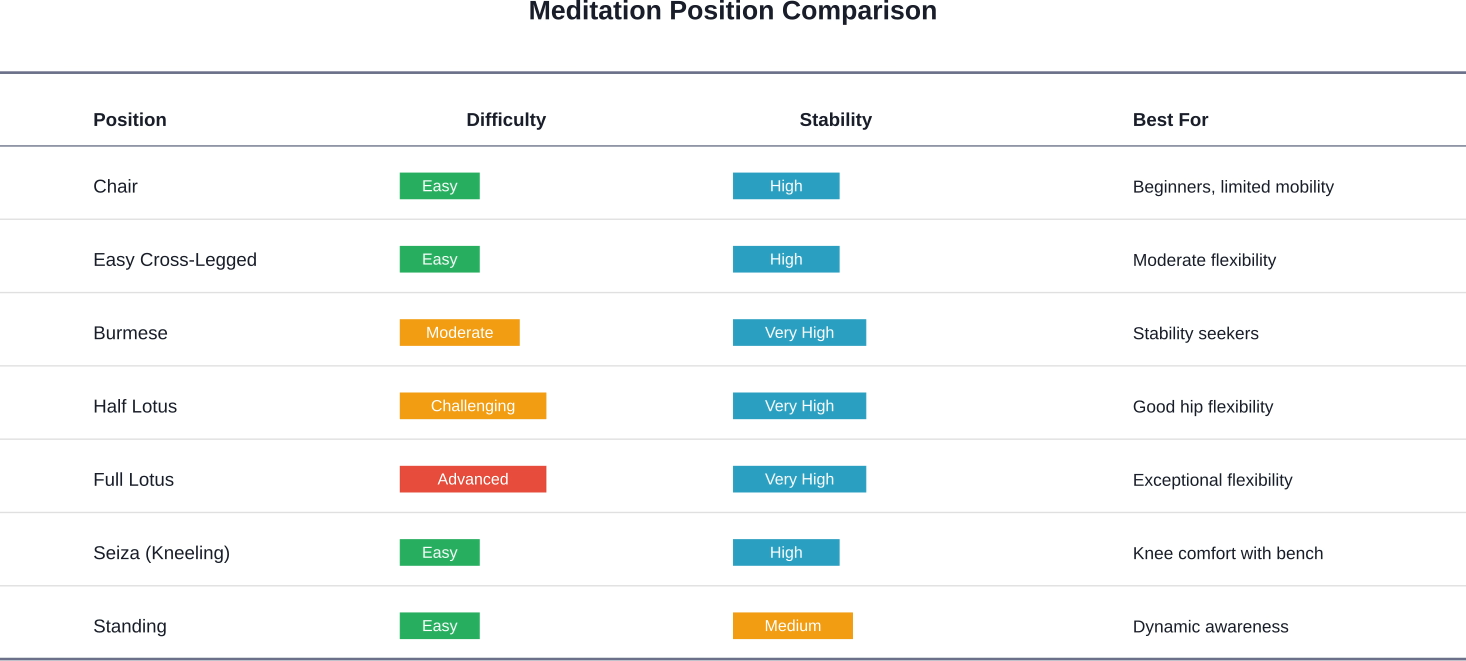
The most accessible option for beginners and those with flexibility limitations. Sitting in a chair removes the hip and knee demands of floor positions.
Position both feet flat on the floor, hip-width apart. The knees should align roughly over the ankles. Sit toward the front edge of the chair rather than leaning back against the support—this naturally engages the core and keeps the spine upright.
Hands can rest on the thighs or in the lap. The key is maintaining that sense of alert dignity without rigidity.
Community discussions on meditation forums reveal many practitioners stick with chair meditation indefinitely. There's no hierarchy where floor positions are somehow "better." What matters most is alignment, comfort, and the ability to stay present.
This simple cross-legged position works for those with moderate hip flexibility. The legs cross at the shins with each foot tucked under the opposite knee.
A cushion or folded blanket under the sit bones helps tilt the pelvis forward slightly, supporting the natural curve of the lower spine. Many people find sitting directly on a hard floor causes discomfort and misalignment.
Community discussions on meditation forums note that cushion height affects spinal alignment and breathing comfort. Experimentation with different cushion thicknesses helps find the right support.
The Burmese position places both feet on the floor in front of the body rather than lifting one foot onto the opposite thigh. Both knees aim toward the ground, creating a stable tripod base with the sit bones.
This position offers more stability than easy cross-legged for those whose knees don't comfortably touch the floor. It's a middle ground between simple crossed legs and more advanced poses.
Half lotus lifts one foot onto the opposite thigh while the other foot rests on the floor beneath the opposite knee. This requires more hip flexibility than easy pose but less than full lotus.
The elevated leg creates additional stability. However, forcing this position before the hips are ready can strain the knees. Gentle yoga practice focusing on hip openers prepares the body for this posture over time.
Full lotus places each foot on the opposite thigh—the iconic meditation pose. But here's the reality: this position requires significant hip flexibility that most people don't naturally possess.
The Skeptic's Path to Enlightenment notes that while lotus is traditional in some meditation lineages, it's absolutely not required for effective practice. Forcing the body into lotus before it's ready risks serious knee injury.
For those who can comfortably achieve it, full lotus provides exceptional stability for long sessions. But "comfortably" is the operative word. Any pain or strain defeats the purpose.
Kneeling offers an alternative for people who find cross-legged positions uncomfortable but want a floor-based practice.
Traditional seiza involves kneeling with the knees together and sitting back on the heels. The spine naturally straightens in this position, and the folded legs create a stable base.
Most people need support between the buttocks and heels to maintain this position comfortably. A meditation bench or stacked cushions fills this gap, removing pressure from the ankles and feet.
The angle of the bench matters. A slight forward tilt (usually 10-15 degrees) helps maintain the pelvic tilt that supports spinal alignment.
Standing meditation might seem counterintuitive, but it cultivates a different quality of awareness.
Stand with feet shoulder-width apart, knees very slightly bent (not locked). Weight distributes evenly across both feet. Arms hang naturally at the sides or rest gently in front of the lower abdomen.
According to Headspace guidance, practitioners should hold this position for 2 to 3 minutes initially, gradually building up to 10 to 15 minutes daily.
Standing meditation develops different awareness than seated practice. The body works subtly to maintain balance, creating a more dynamic form of mindfulness. Tai chi and qigong traditions extensively use standing meditation.
Mayo Clinic describes tai chi as meditation in motion, noting it promotes serenity through gentle, flowing movements that evolved from ancient martial arts practice.
Lying down gets controversial in meditation circles. The concern is valid—this position can lead to falling asleep rather than maintaining alert awareness.
That said, lying meditation serves specific purposes. For people with severe back pain or physical limitations that make sitting impossible, it's the accessible option that allows practice to continue.
The standard position is savasana (corpse pose) from yoga: lying flat on the back, arms slightly away from the body with palms up, legs extended with feet falling naturally apart.
To maintain alertness, keep the eyes open with a soft gaze toward the ceiling. Bending the knees with feet flat on the floor creates a less sleep-inducing variation.
Some traditions use lying meditation for body scan practices or similar techniques. The position itself isn't wrong—it depends on the meditation technique and the practitioner's ability to stay aware.
Walking meditation brings mindfulness into movement. Rather than seeking stillness, attention focuses on the physical sensations of each step.
The pace is deliberately slow—much slower than normal walking. Some traditions practice formal walking meditation where each step takes several seconds, with full attention on lifting, moving, and placing each foot.
Other approaches use normal walking pace but maintain awareness of the body's movement, breathing rhythm, and sensory experience.
According to NCCIH research on meditation practices, various meditation types maintain mental focus on particular sensations, such as breathing, a sound, a visual image, or a mantra. In walking meditation, those sensations are the movement and contact of the feet, the rhythm of breath, and the body's balance.
This practice works well for people who find sitting meditation difficult or as an complement to seated practice. It's also practical—transforming a regular walk into meditation practice.
Even with proper position choice, subtle alignment issues cause discomfort that undermines practice.
Slouching is the most common problem. As meditation continues, the spine gradually curves forward, shoulders round, and the chest collapses. This restricts breathing and creates tension.
The fix isn't forcing military posture. Instead, imagine a string gently lifting the crown of the head toward the ceiling. The spine lengthens, but the muscles stay soft. Check in with posture every few minutes during meditation.
Tension in the shoulders and neck creates another frequent issue. The shoulders creep upward or pull forward. Periodically release them downward and slightly back, opening the chest.
Tilting the head forward strains the neck over time. The chin should tuck very slightly, bringing the ears into alignment with the shoulders. Think of the head as balanced on top of the spine rather than jutting forward.
Hand position seems minor but affects the overall posture. Hands resting palms-down on the thighs tends to ground the posture. Palms-up feels more receptive. Either works—what matters is that the hands rest comfortably without creating tension in the shoulders or arms.
The right props transform an uncomfortable position into a sustainable one.
Cushion height makes a significant difference. A cushion that's too low fails to tilt the pelvis forward adequately, creating the lower back strain frequently described in meditation communities. Too high, and the position feels unstable.
Most people need 4-8 inches of elevation for comfortable cross-legged sitting. Stacking cushions or blankets allows experimentation before investing in specialized equipment.

Finding the best meditation posture can make a big difference in how relaxed and focused you feel during a session. Proper posture helps reduce tension and makes it easier to stay present for longer periods.
Mesmerize supports meditation practice with guided sessions, visual breathing patterns, and calming audio that help you settle into a relaxed rhythm.
The app includes:
If you want to support your meditation practice with guided visual sessions, try Mesmerize - download it from the App Store or Google Play.
A position comfortable for 10 minutes might become challenging at 30 minutes. Duration affects position choice.
For brief meditations (5-10 minutes), almost any position works if basic alignment principles are followed. The body tolerates minor discomfort for short periods.
Medium sessions (15-30 minutes) require positions that genuinely fit the body's current flexibility and strength. This is where proper cushion height, supportive props, and attention to alignment become critical.
Longer sits (45+ minutes) demand positions the body can truly sustain. Many experienced practitioners use chairs for long sessions despite being able to sit cross-legged. There's no virtue in suffering through knee pain for an hour.
Some traditions approach long meditation through position changes. Alternating between sitting and walking meditation every 20-30 minutes allows extended practice without overloading any single position.
Current flexibility doesn't have to limit meditation options forever. Gentle yoga practice gradually opens the hips and strengthens the back.
According to NCCIH research on yoga effectiveness, yoga emphasizes physical postures (asanas), breathing techniques (pranayama), and meditation. Research has demonstrated physical benefits from regular yoga practice, including reductions in body weight, BMI, body fat, and waist size.
Hip-opening poses particularly support seated meditation development:
Consistency matters more than intensity. Five minutes of gentle stretching daily produces better results than aggressive weekend sessions that risk injury.
But here's the important part: developing flexibility serves the meditation practice, not the other way around. Meditation isn't about achieving impressive physical poses. If a chair works perfectly well, there's no requirement to ever sit cross-legged.
Body position affects mental state in subtle but real ways. This isn't mystical—it's basic psychophysiology.
An upright spine tends to support alertness. The slight muscular engagement required to maintain the position keeps the nervous system from sliding into sleep mode.
Lying down signals rest to most people's nervous systems. The body has strong associations between horizontal positions and sleep. This can be overcome with practice, but it requires more effort to maintain alert awareness.
The formality of a structured position can help establish a mental boundary between "meditation time" and regular activity. Sitting deliberately in a particular way signals to the mind that this time is different.
That said, meditation ultimately develops as an internal state, not a physical form. Advanced practitioners can maintain deep meditative awareness in any position—even while washing dishes or walking down the street. The structured position is training wheels, not the bicycle itself.
Different meditation traditions emphasize different positions based on their cultural origins and philosophical frameworks.
Zen Buddhism often uses formal seated meditation (zazen) in either lotus or Burmese position. The physical stability supports the mental stability being cultivated.
Burmese Theravada traditions developed the body scan technique called vipassana, frequently practiced while lying down or in any comfortable position. The focus is on awareness rather than specific posture.
Tibetan traditions sometimes use elaborately structured positions with specific hand gestures (mudras) that carry symbolic meaning within that system.
Modern mindfulness meditation, as popularized in Western medical and psychological contexts, takes a pragmatic approach. Any position that supports sustained attention works. Chair meditation is completely acceptable.
Understanding these traditions provides context, but contemporary practitioners can choose what serves their practice. There's no obligation to adopt cultural forms that don't fit personal circumstances.
Real talk: sometimes the position just isn't working for a particular session.
If pain develops beyond mild discomfort—sharp knee pain, numbness in the legs, or significant back strain—adjust the position. Fighting through genuine pain doesn't build discipline; it risks injury.
The distinction between discomfort and pain matters. Mild discomfort from muscles working to support an unfamiliar position is normal and usually decreases over time. Pain that intensifies or creates sharp, acute sensations signals a problem.
Some teachers encourage working with mild discomfort as part of developing concentration. Others suggest changing position whenever needed. Both approaches have merit depending on the situation and the practitioner's experience level.
For beginners, prioritizing sustainability over discipline makes sense. A consistent practice in a comfortable position beats an abandoned practice because the position was miserable.
The exploration of meditation posture ultimately comes back to individual experimentation. Bodies vary. Flexibility differs. Life circumstances create different constraints.
Start with the most accessible option—often chair sitting. Establish consistent practice. Then, if curiosity pulls toward trying other positions, explore gradually.
Pay attention to what the body communicates. Mild challenge feels different than strain. Sustainable discomfort differs from pain that intensifies. This awareness itself becomes part of the meditation practice.
The meditation traditions that developed elaborate postural instructions did so over centuries of collective experimentation. They found what worked for human bodies and minds in general. But general principles always need individual adaptation.
What matters most isn't achieving some idealized position. It's creating the physical foundation that allows the mind to settle, attention to stabilize, and awareness to clarify. However that happens for an individual body is the right meditation posture.
Whether that's sitting in an office chair, kneeling on a bench, or eventually working up to lotus pose, the position serves the practice. The practice doesn't serve the position.
Start where the body is today. Build from there. The destination is greater awareness and mental clarity—not impressive flexibility or perfectly crossed legs.
I canceled my subscription with Headspace and I now pay for Mesmerize instead. I was hooked after the free trial! I love how customizable the sounds, meditations, and visuals are! Using this app has honestly become my favorite part of my day! ☺️ It helps me relax, meditate, visualize, sleep, and it does wonders for my anxiety/phobia/ocd tendencies. Thank you Mesmerize for giving us this amazing mental health tool! I told my therapist about this app and have been telling all my friends too. It’s just so helpful!
This is the second or third app in the mindfulness and meditation realm, and it’s the most scientific approach I have found. I have found these combinations of open monitoring, and focused attention meditation techniques are the most viable for those suffering from more severe forms of sleep, pain, and anxiety dysfunction one may be suffering from. Many of these approaches are used by professionals in a cognitive behavioral therapy setting. A truly complete approach in mindfulness and meditation.
I suffer from clinical depression and sometimes I get into a bad headspace but this app has really helped me whenever I’m in a bad mood I turn on the app listen to some person taking about breathing and look at cool figures on my phone and it makes me feel so much better I would highly recommend this app it’s worth the money
It didn’t take but five minutes of using this app to buy a yearly subscription. Worth it on so many levels. Easy to manipulate to what I like. Massive library of music, videos, etc.
Clear your mind and relax with a unique audio visual meditation experience.


.jpeg)