Discover the best chakra meditation techniques to balance your energy centers. Science-backed methods, step-by-step guides, and expert tips for beginners.
.webp)
Chakra meditation is a practice that focuses on balancing seven energy centers along the spine, from the root to the crown. Research from institutions like the International Journal of Yoga shows meditation practices can reduce stress and improve mental well-being, with more than 60% of the Indian population directly or indirectly practicing some kind of meditation. This guide covers the fundamentals of chakra meditation, how to practice it effectively, and what scientific evidence suggests about its potential benefits.
Chakra meditation has moved from ancient Eastern traditions into mainstream wellness practices across the Western world. And for good reason.
These energy-focused meditation techniques offer practitioners a structured approach to mental clarity, emotional balance, and physical relaxation. But what exactly makes chakra meditation different from other meditative practices, and which methods actually deliver results?
According to research published in the International Journal of Yoga, meditation practices including mantra-based and energy-focused techniques have gained significant attention. The 2012 US National Center for Health Statistics NHIS survey gathered data from 32,876 households consisting of 34,525 adults, revealing widespread adoption of various meditation modalities.
This guide breaks down everything needed to understand and practice chakra meditation effectively—from the foundational concepts to advanced balancing techniques.
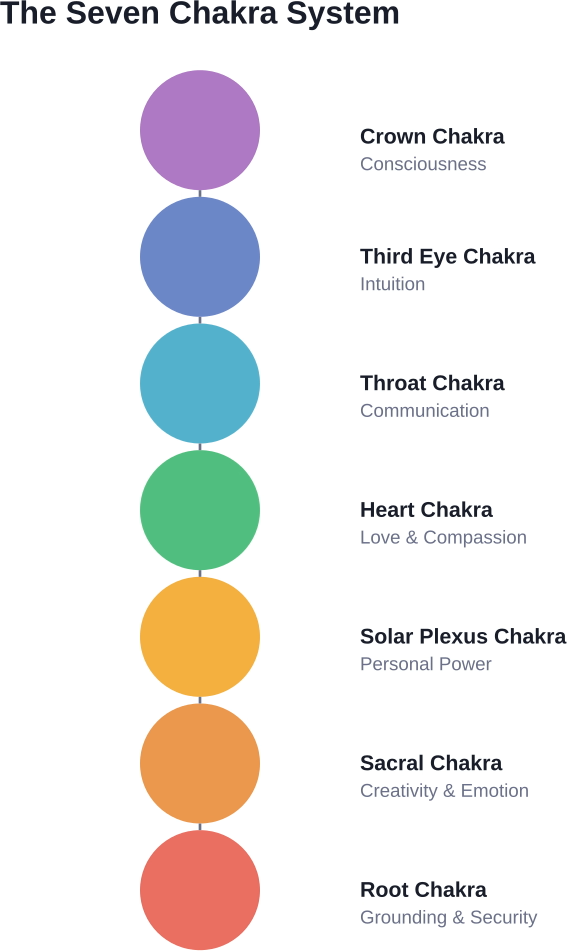
The chakra system represents seven primary energy centers positioned along the spine, each corresponding to specific physical, emotional, and spiritual aspects of human experience.
These energy centers form the foundation of chakra meditation practice. Each chakra is believed to govern different aspects of well-being, from basic survival instincts to higher consciousness.
Starting from the base of the spine and moving upward:
Research published in Ancient Science on meditation and brain mechanisms notes that practices can modulate behavior and anxiety through neurological pathways. More than 60% of the Indian population directly or indirectly practices some kind of meditation as part of their traditional culture.
The concept of energy flow through chakras suggests that blockages or imbalances in these centers can manifest as physical discomfort, emotional distress, or mental fog.
Chakra meditation aims to restore balance by directing focused attention to each energy center, often combined with visualization, breathwork, or mantra repetition.
While the chakra system originates from spiritual traditions, modern research has examined meditation practices more broadly.
Harvard researchers studying mindfulness meditation found that these practices may change brain structure and function. In 2015, 16.1 million Americans reported experiencing major depression during the previous year, and meditation programs emerged as complementary approaches when conventional treatments proved insufficient.
Real talk: the scientific literature doesn't specifically validate the existence of chakras as measurable energy fields. But that doesn't diminish the documented benefits of meditation practices that focus on these traditional energy centers.
According to the International Journal of Yoga, mantra meditation—a practice often incorporated into chakra work—has attracted significant practitioners for various health benefits and spiritual inspiration.
Research examining meditation programs for psychological stress found that these practices can result in small to moderate reductions of multiple negative dimensions of psychological stress. Clinicians are advised to prepare for discussions with patients about the role meditation programs could play in addressing psychological well-being.
Research on chakra yoga and meditation combinations examined subjects with no prior meditation experience. The study investigated effectiveness on physical health, disease-related factors, and psychological well-being.
Studies on alpha-oscillatory neural networks under Chan meditation examined EEG patterns, finding spatially nonlinear interdependence among regional brain networks during meditative states.
Here's the thing though—these studies examine meditation broadly, not chakra-specific practices exclusively. The benefits likely stem from focused attention, breath regulation, and relaxation responses rather than literal energy manipulation.
A 2020 review examined 83 studies involving 6,703 participants. The research found that 55 studies reported negative experiences related to meditation practices, with approximately 8 percent of participants experiencing adverse effects.
This mirrors the rate of negative experiences in other therapeutic interventions. Most issues were mild and temporary, but the data highlights that meditation isn't universally beneficial for everyone.
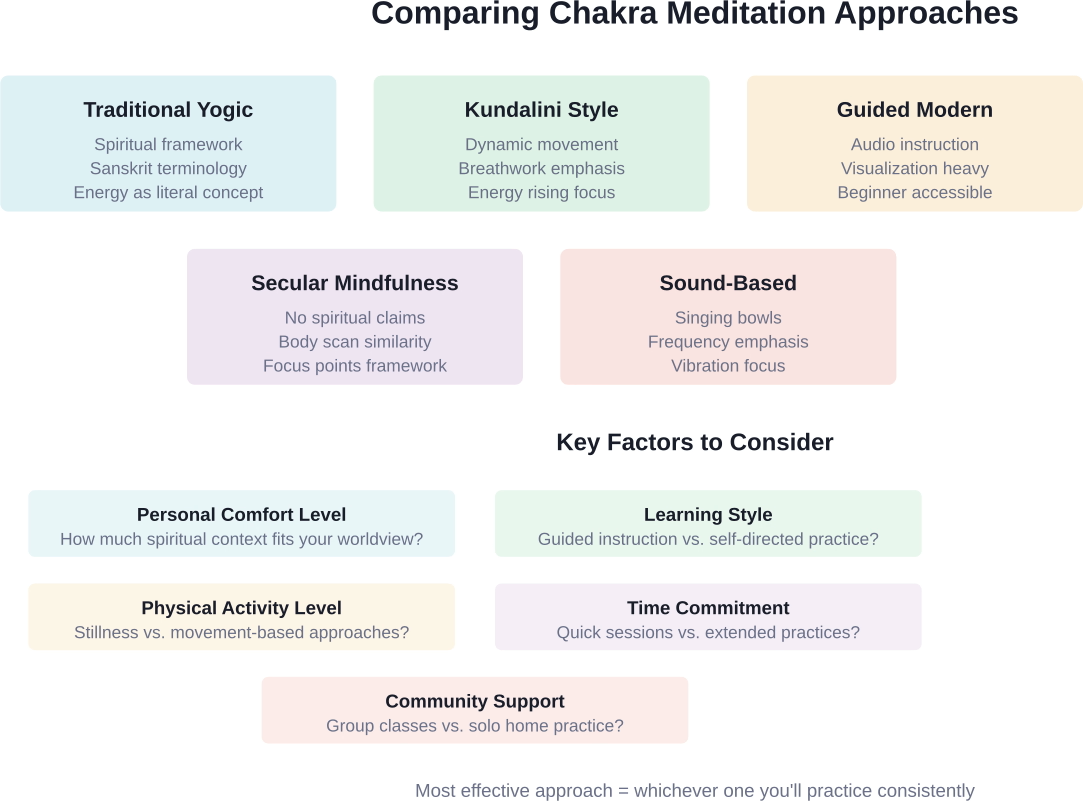
Different approaches work for different practitioners. Some prefer guided audio sessions, while others favor silent self-directed practice.
The most effective technique is whichever one gets practiced consistently.
Guided sessions provide structured instruction, making them ideal for beginners who need direction. An instructor or recorded audio leads practitioners through each chakra, offering visualization cues and breathing instructions.
These sessions typically range from 10 to 60 minutes, with 15-20 minute practices proving most sustainable for regular routines.
Many guided meditations incorporate specific frequencies. For example, 432 Hz tones are sometimes used for root chakra work, though scientific validation of specific frequency effects remains limited.
Each chakra has associated seed sounds (bija mantras) used during meditation:
Practitioners repeat these sounds mentally or aloud while focusing on the corresponding energy center. According to research in the International Journal of Yoga, mantra meditation is one of the simplest and most effective meditative practices suitable for both novice and skillful meditators.
Visualization techniques involve imagining colored light or spinning wheels at each chakra location. Traditional colors associated with each center guide the practice:
Visualization practices often combine imagery with breathwork, imagining energy flowing into each center with the inhale and releasing blockages with the exhale.
Research on singing bowls notes that this ancient practice has been used for centuries in Tibetan and Buddhist cultures. The practice produces sounds believed to affect the body's energy system, helping with alignment and balance.
Sound meditation for chakras may incorporate:
The vibrations are thought to resonate with specific chakras, though scientific evidence for frequency-specific effects remains primarily anecdotal.
A complete chakra meditation typically takes 20-30 minutes, though shorter 10-minute sessions can still provide benefits.
Creating the right environment supports deeper practice. Find a quiet space where interruptions are unlikely. Comfortable seating matters more than specific postures—sitting in a chair works just as well as cross-legged floor positions.
Some practitioners prefer dim lighting or candles. Others find natural daylight less distracting. Temperature should be comfortable enough that physical sensation doesn't dominate awareness.
Timing influences practice quality. Many find morning sessions easier before daily demands accumulate mental clutter. Evening practice can help process the day's experiences, though some report difficulty staying alert.
Begin with three to five deep breaths, establishing a slow, steady rhythm. Place attention on physical contact points—feet on the floor, body against the seat, hands resting comfortably.
This grounding phase activates the root chakra naturally. Notice any tension in the body without trying to change it immediately.
Set an intention for the practice. This might be general balance, focusing on a specific chakra that feels blocked, or simply observing what arises.
The traditional approach moves from root to crown, though some practices reverse this direction or focus on specific centers needing attention.
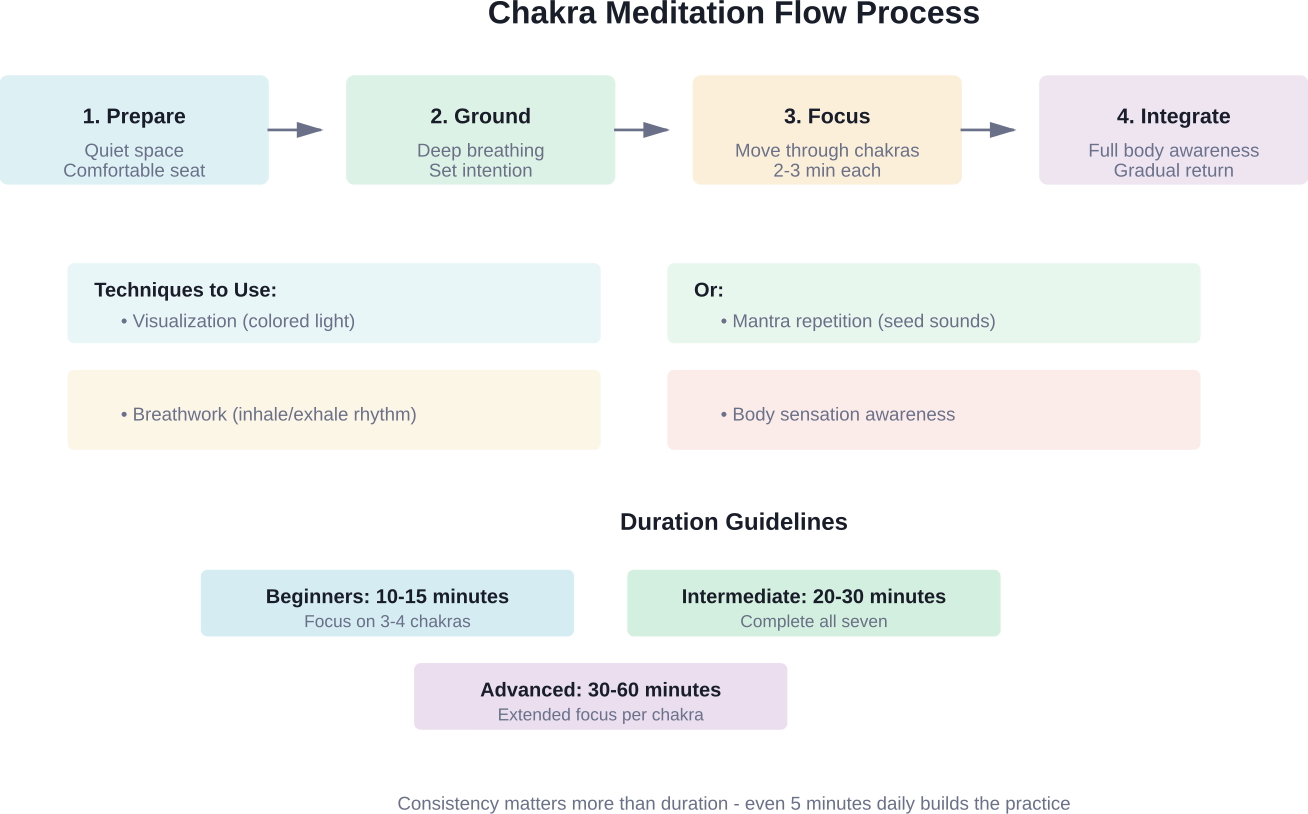
After moving through all seven centers, spend 2-3 minutes in whole-body awareness. Visualize energy flowing freely from root to crown and back down again.
Gradually bring attention back to the physical environment. Wiggle fingers and toes, take deeper breaths, open eyes slowly.
Some practitioners journal immediately after sessions, noting sensations, insights, or emotional shifts. This creates a record of practice progression over time.
Every meditation practice encounters obstacles. Anticipating common issues makes them easier to navigate.
Mind wandering is normal, not failure. Research on meditation and brain mechanisms shows that even experienced practitioners deal with distraction.
When attention drifts, simply notice and return focus to the current chakra. Each return strengthens the practice more than sustained concentration without breaks.
Guided recordings help maintain focus for those who struggle with self-directed sessions. The external voice provides an anchor point.
Sitting still creates tension for many people. The solution isn't forcing stillness through discomfort.
Adjust position as needed. Use cushions, chairs, or even practice lying down if sitting proves too uncomfortable. The goal is alert relaxation, not physical endurance.
Some traditions insist on specific postures, but research doesn't support that position determines meditation effectiveness. Comfort enables longer, deeper practice.
Expectations of dramatic energy sensations lead to disappointment when practice feels ordinary.
Most sessions are subtle. Not experiencing vivid colors, tingling, or profound shifts doesn't indicate ineffective practice. The benefits accumulate gradually through consistent effort.
Community discussions among practitioners reveal this is nearly universal—meditation works through repetition, not single breakthrough experiences.
The ideal practice length is whatever fits into actual daily schedules.
Ten minutes of consistent daily practice outperforms occasional hour-long sessions. Shorter practices can focus on one or two chakras rather than attempting the full sequence.
Early morning works for some schedules, lunch breaks for others, evening wind-down for still others. The right time is whenever it actually happens.

Chakra meditation focuses on awareness and balance through guided attention and breathing. Many people use this practice as part of their broader mindfulness or relaxation routine.
Mesmerize helps support meditation with guided sessions, visual breathing cues, and calming audio environments designed for relaxation and focus.
The app offers:
If you want to explore guided meditation in a more immersive format, try Mesmerize - you can download it from the App Store or Google Play.
Two main approaches exist: complete chakra balancing and targeted single-chakra focus.
These practices move through all seven chakras sequentially, spending equal time at each center. The approach maintains overall energy system equilibrium rather than addressing specific imbalances.
Balanced practices work well for maintenance and prevention. Regular full-sequence sessions support general well-being without requiring diagnosis of which chakras need attention.
Most guided chakra meditations follow this format, making them accessible for practitioners unsure where to focus effort.
Single-chakra practices dedicate entire sessions to one energy center. This intensive approach addresses perceived blockages or underdeveloped areas.
Root chakra work might help those feeling ungrounded or anxious. Heart chakra focus could support relationship healing or self-compassion development. Throat chakra attention may benefit those struggling with authentic communication.
But here's the catch—self-diagnosing chakra imbalances is largely subjective. Without objective measurement tools, identifying which chakra needs work relies on intuition and self-assessment.
Sound familiar? This mirrors many holistic health approaches where subjective experience guides practice rather than measurable diagnostics.
Sustainable practice requires integration into existing routines rather than complete lifestyle overhaul.
Start smaller than feels necessary. Five minutes daily builds the habit more effectively than ambitious 30-minute sessions that get skipped.
Anchor meditation to an existing habit: after morning coffee, before bed, during lunch break. This habit-stacking technique leverages established routines.
Track practice in a simple way—checkmarks on a calendar work fine. The visual record provides motivation during inevitable resistance periods.
Chakra meditation integrates well with yoga, breathwork, and mindfulness approaches. Research published in Ancient Science examined combinations of meditation and yoga techniques, noting their complementary effects on brain mechanisms.
Some practitioners combine chakra awareness with physical yoga postures. Specific poses are traditionally associated with each energy center, creating embodied meditation experiences.
Breathwork techniques like alternate nostril breathing or breath retention can precede chakra meditation, deepening the subsequent practice.
Formal meditation sessions aren't the only application of chakra concepts.
Brief check-ins throughout the day—pausing to notice which chakra area feels tense or open—bring meditative awareness into daily activities.
Before difficult conversations, quick throat chakra awareness can support clearer communication. Before presentations, solar plexus focus might boost confidence. Quick heart chakra attention before conflicts can foster compassion.
These micro-practices take 30 seconds but extend meditation benefits beyond dedicated sessions.
Countless guided chakra meditations exist across platforms. Quality varies significantly.
Free platforms like YouTube host thousands of chakra meditation recordings. Lengths range from 5-minute quick sessions to hour-plus deep practices.
Meditation apps often include chakra-specific content. Some free platforms offer extensive chakra meditation libraries with various approaches and instructors.
Look for recordings that match preferred style—some heavily scripted with detailed visualization, others minimalist with simple direction. Preview several to find compatible voices and pacing.
Many chakra meditations incorporate specific musical frequencies. Claims about particular Hz frequencies affecting specific chakras are common but scientifically unvalidated.
That said, research on singing bowls notes their historical use in healing and relaxation practices. The sounds create atmospheric environments that many find conducive to meditation, regardless of frequency-specific effects.
Some prefer nature sounds, others binaural beats, still others silence. The best option is whichever supports sustained practice.
Simple interval timers can structure self-guided sessions. Set equal intervals for each chakra (3 minutes each for a 21-minute full practice).
Specialized meditation apps offer chakra-specific programs with progress tracking, customizable session lengths, and varied instruction styles. Check official sources for current feature availability, as app offerings change frequently.
Unlike physical exercise with clear metrics, meditation progress is largely subjective.
Rather than expecting measurable energy field changes, notice practical life impacts:
Keeping a simple practice journal helps identify patterns over weeks and months. Immediate session-to-session changes are often too subtle to notice.
Research on meditation programs indicates effects develop gradually. The review examining psychological stress found small to moderate reductions across multiple dimensions—not dramatic overnight transformations.
Most practitioners report noticing shifts after 3-4 weeks of consistent practice. Benefits typically increase over months and years rather than days.
Some sessions feel profound, others ordinary. The cumulative effect matters more than any single experience.
Meditation can support mental health but shouldn't replace professional treatment for clinical conditions.
The 2020 review finding that approximately 8 percent of meditation practitioners experienced negative effects highlights that these practices aren't universally beneficial.
Anyone with trauma history, psychotic disorders, or severe anxiety should consult mental health professionals before beginning intensive meditation practices. Some psychological conditions can worsen with certain meditation approaches.
Chakra concepts appear across multiple spiritual and wellness traditions, each with unique approaches.
Research published in Ancient Science lists Kundalini Meditation among well-known Western practices. This approach focuses on awakening energy at the root chakra and moving it upward through all centers.
Kundalini practices often combine dynamic movement, breathwork, and mantra, creating more physically active meditation than seated stillness.
Transcendental Meditation, another practice noted in research literature, typically doesn't emphasize chakra work specifically. However, some practitioners integrate chakra awareness into TM-based approaches.
Traditional yoga philosophy provides the original context for chakra systems. Modern Western adaptations often simplify or modify these teachings.
Some Buddhist meditation traditions incorporate energy center awareness, though not always using the same seven-chakra model. Tibetan practices may include different energy channel systems.
Research on Chan meditation examined neural network patterns, representing yet another contemplative tradition with distinct approaches to meditation practice.
Many modern chakra meditation practices remove spiritual or religious elements, treating chakras as useful focal points for attention rather than literal energy structures.
This secular framing makes practices accessible to those uncomfortable with spiritual frameworks while maintaining the meditative structure and techniques.
Once basic techniques feel comfortable, several advanced approaches deepen the practice.
Rather than moving through all seven centers, advanced practitioners sometimes dedicate 20-60 minutes to a single chakra. This intensive focus allows deeper exploration of specific energy centers.
Extended heart chakra meditation might involve 30 minutes of loving-kindness practice directed at the heart center. Root chakra sessions could incorporate earth element visualizations and grounding exercises.
These practices work best after establishing foundational understanding through balanced seven-chakra sequences.
Multi-day retreat settings allow intensive practice not possible in daily life. Some retreats focus exclusively on chakra work, dedicating hours daily to meditation, movement, and energy practices.
The concentrated format accelerates learning and deepens experience. However, retreats also increase the intensity of any difficult emotions or sensations that arise.
Research on meditation retreats suggests they can produce significant shifts, but proper preparation and skilled guidance are essential.
Some traditions include partner exercises where two people meditate facing each other, synchronizing breath and focusing on matching chakras simultaneously.
Group chakra meditations create collective energy that many find supportive. The shared intention and synchronized practice can enhance individual experiences.
Research on Meditation on Twin Hearts describes group practices involving blessing the earth and praying for collective well-being using heart and crown chakras.
The chakra framework extends beyond formal meditation sessions into daily awareness and decision-making.
Regular check-ins using the chakra framework can highlight areas needing attention. Notice which life areas feel blocked or flowing:
This framework provides structure for holistic life evaluation, even if chakras themselves aren't literal.
Various wellness practices connect to chakra concepts:
Chakra meditation offers a structured approach to meditative practice, whether understood as literal energy work or useful metaphorical framework.
Research from institutions including the International Journal of Yoga and various academic medical centers shows meditation practices can support stress reduction and mental well-being. The specific chakra framework may be less important than the focused attention, breath regulation, and body awareness these practices cultivate.
The best chakra meditation approach is whichever one fits individual preferences, learning styles, and existing routines. Guided recordings work for some, self-directed silence for others. Spiritual frameworks resonate with certain practitioners, while secular interpretations suit different people.
Start with manageable time commitments—even five minutes daily. Consistency builds the practice more effectively than ambitious goals that don't get maintained.
Track practical life impacts rather than expecting measurable energy phenomena. Notice changes in sleep quality, stress responses, emotional regulation, and mental clarity over weeks and months.
And remember that approximately 8 percent of practitioners experience negative effects from meditation. Anyone with mental health concerns should consult professionals before beginning intensive practices.
Ready to begin? Choose a simple guided chakra meditation—10 to 15 minutes—and commit to daily practice for two weeks. Notice what shifts, what challenges arise, and how the practice fits into daily life. Adjust from there based on actual experience rather than expectations.
The practice reveals itself through doing, not through reading about it. Start today.
I canceled my subscription with Headspace and I now pay for Mesmerize instead. I was hooked after the free trial! I love how customizable the sounds, meditations, and visuals are! Using this app has honestly become my favorite part of my day! ☺️ It helps me relax, meditate, visualize, sleep, and it does wonders for my anxiety/phobia/ocd tendencies. Thank you Mesmerize for giving us this amazing mental health tool! I told my therapist about this app and have been telling all my friends too. It’s just so helpful!
This is the second or third app in the mindfulness and meditation realm, and it’s the most scientific approach I have found. I have found these combinations of open monitoring, and focused attention meditation techniques are the most viable for those suffering from more severe forms of sleep, pain, and anxiety dysfunction one may be suffering from. Many of these approaches are used by professionals in a cognitive behavioral therapy setting. A truly complete approach in mindfulness and meditation.
I suffer from clinical depression and sometimes I get into a bad headspace but this app has really helped me whenever I’m in a bad mood I turn on the app listen to some person taking about breathing and look at cool figures on my phone and it makes me feel so much better I would highly recommend this app it’s worth the money
It didn’t take but five minutes of using this app to buy a yearly subscription. Worth it on so many levels. Easy to manipulate to what I like. Massive library of music, videos, etc.
Clear your mind and relax with a unique audio visual meditation experience.


.jpeg)