Discover the best headphones for meditation based on comfort, sound quality, and expert testing. Find the perfect pair for your mindfulness practice.
.webp)
The best headphones for meditation combine comfort, sound quality, and features like noise cancellation or open-ear designs. Over-ear models like the Bose QuietComfort Ultra excel for stationary practice, while bone conduction headphones maintain spatial awareness during movement-based meditation. Research from NIH shows that sound interventions, including music and binaural beats in the 4-7 Hz theta range, significantly reduce anxiety and stress responses.
Sound matters during meditation. The right headphones can transform a distracted session into deep, focused practice.
Research published in JMIR Mental Health (2025) examined sound interventions' effects on mental stress responses in adults. When combined with quality audio delivery, these interventions become even more effective.
But here's the thing—not all headphones work for meditation. Some create pressure points during long sessions. Others leak sound or fail to block external noise.
A 2022 study published in PLOS One examined music and auditory beat stimulation effects on anxiety, with research suggesting combined conditions were most efficacious for participants with moderate trait anxiety.
The audio delivery method impacts effectiveness. Poor headphones distort these frequencies, reducing therapeutic benefits.
Sound meditation practitioners note that with proper headphones, harmonic overtones create genuine ease and calm. The experience resembles sitting beside the actual instruments.
Over-ear designs excel for seated meditation and breathwork. They provide immersive sound while distributing pressure across the headband rather than ear canals.
The Bose QuietComfort Ultra features noise cancellation, lightweight design, and according to competitor materials, is priced at $429.00. They deliver premium sound quality for binaural beats and guided sessions.
One drawback? They lack water resistance. Keep them away from beach meditation or sweaty hot yoga sessions.
Sony offers competitive alternatives with similar features at various price points. Sony's WH-series models have been highly rated for meditation use with features similar to premium alternatives.
Active noise cancellation uses microphones to counter ambient sound. This technology helps when meditating in apartments with creaking ceilings or noisy neighbors—common complaints in community discussions.
Passive isolation relies on physical ear cup design. Generally speaking, both approaches work, but active cancellation handles unpredictable sounds better.
Bone conduction headphones transmit sound through cheekbones rather than air. This keeps ear canals open, maintaining environmental awareness.
Many experts suggest this design benefits group meditation sessions and outdoor practice. Practitioners stay connected to surroundings while receiving audio guidance.
The technology allows lower listening volumes, reducing potential hearing stress. For those with tinnitus or hyperacusis (conditions causing sound sensitivity), this approach offers gentler audio delivery.
Sound quality differs from traditional headphones. Bass response is lighter, but clarity remains strong for spoken guided meditations and ambient sounds.
Earbuds suit movement-based meditation, yoga flows, and hot yoga. They stay secure during posture transitions and handle sweat better than over-ear models.
True wireless designs eliminate cable distractions. Bluetooth connectivity means no wires catching on arms during sun salutations.
Comfort varies significantly between earbud designs. Look for multiple tip sizes and materials. Memory foam tips often provide better long-term comfort than silicone.
Binaural beats require stereo headphones. These auditory phenomena occur when each ear receives slightly different frequencies—the brain perceives a third tone at the difference frequency.
Research published in PLOS One (2023) examined binaural beat effects on brain oscillatory activity. A study allocating 63 participants tested frequencies of 6 Hz, 10 Hz, and 16 Hz.
One study implemented a frequency of 57.3 Hz (upper gamma band), which exceeded the assumed threshold for binaural beat perception. Research suggests theta (4-7 Hz) frequencies combined with music show significant anxiety reduction, particularly in participants with moderate trait anxiety.
A 2025 Cureus study examined 63 healthy participants randomly allocated to listen to 6 Hz, 10 Hz, or 16 Hz binaural beats centered around 340 Hz, with pink noise set at 60% and tones at 40%.

Good headphones can make meditation audio clearer and help block distractions, especially if you meditate in a busy environment. Clear sound and relaxing music often make guided meditation easier to follow.
Mesmerize pairs calming soundscapes with slow visual breathing cues and guided meditation sessions designed to help you relax and focus.
Features include:
If you want to combine high quality sound with guided visual meditation, try Mesmerize - available on the App Store and Google Play.
According to Mayo Clinic, mindfulness sessions range from a few minutes to an hour or more. Headphone comfort becomes critical for longer practices.
Lightweight designs reduce neck strain. Premium headphone designs like the Bose QuietComfort series emphasize comfort features for extended wear.
Ear cup material matters. Breathable fabrics prevent heat buildup. Some practitioners prefer velour over leather for extended sessions.
Wired headphones eliminate battery concerns and potential audio lag. Community discussions note that some serious practitioners prefer wired connections for guaranteed audio quality.
Bluetooth offers movement freedom. Modern codecs like aptX and AAC provide audio quality sufficient for meditation purposes.
The short answer? Either works. Choose based on whether cable freedom or absolute audio fidelity matters more for the practice.
Premium models like the Bose QuietComfort Ultra (priced at $429.00) deliver comprehensive features for meditation, representing a significant investment.
Mid-range options from established brands often provide 80% of the benefits at 50% of the cost. Sound quality differences matter less for spoken guided meditations than for music production.
Budget wired earbuds work perfectly for beginners exploring meditation. No need for expensive gear when starting out.
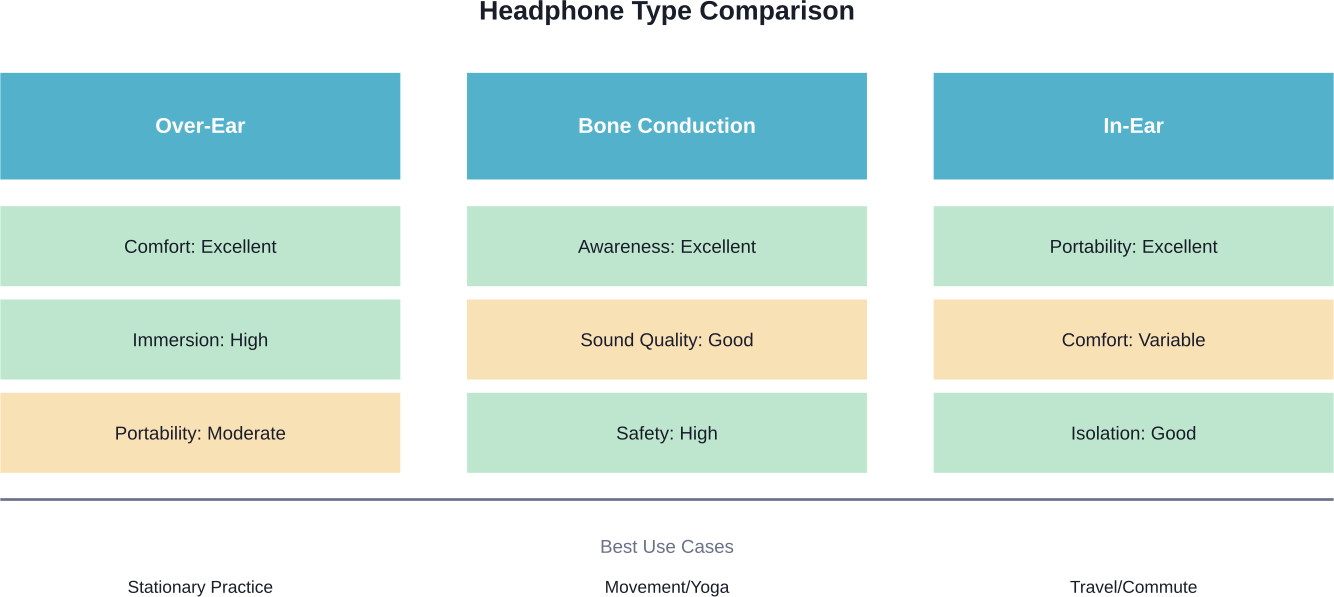
The best headphones for meditation depend on practice style, environment, and personal preferences. Over-ear models excel for stationary practice with maximum immersion. Bone conduction suits movement and awareness-focused sessions. In-ear designs work for active yoga and travel.
Sound quality matters more for music and binaural beats than basic guided meditations. Comfort becomes crucial for sessions exceeding 20 minutes.
Start with what's available. Test borrowed headphones or budget options before investing in premium models. The meditation practice itself matters far more than the equipment.
Ready to deepen your practice? Choose headphones that disappear during use, letting focus shift entirely to the meditation itself. That's when the real transformation happens.
I canceled my subscription with Headspace and I now pay for Mesmerize instead. I was hooked after the free trial! I love how customizable the sounds, meditations, and visuals are! Using this app has honestly become my favorite part of my day! ☺️ It helps me relax, meditate, visualize, sleep, and it does wonders for my anxiety/phobia/ocd tendencies. Thank you Mesmerize for giving us this amazing mental health tool! I told my therapist about this app and have been telling all my friends too. It’s just so helpful!
This is the second or third app in the mindfulness and meditation realm, and it’s the most scientific approach I have found. I have found these combinations of open monitoring, and focused attention meditation techniques are the most viable for those suffering from more severe forms of sleep, pain, and anxiety dysfunction one may be suffering from. Many of these approaches are used by professionals in a cognitive behavioral therapy setting. A truly complete approach in mindfulness and meditation.
I suffer from clinical depression and sometimes I get into a bad headspace but this app has really helped me whenever I’m in a bad mood I turn on the app listen to some person taking about breathing and look at cool figures on my phone and it makes me feel so much better I would highly recommend this app it’s worth the money
It didn’t take but five minutes of using this app to buy a yearly subscription. Worth it on so many levels. Easy to manipulate to what I like. Massive library of music, videos, etc.
Clear your mind and relax with a unique audio visual meditation experience.


.jpeg)