Discover the best incense for meditation in 2026. From sandalwood to frankincense, find calming scents that enhance focus and mindfulness naturally.
.webp)
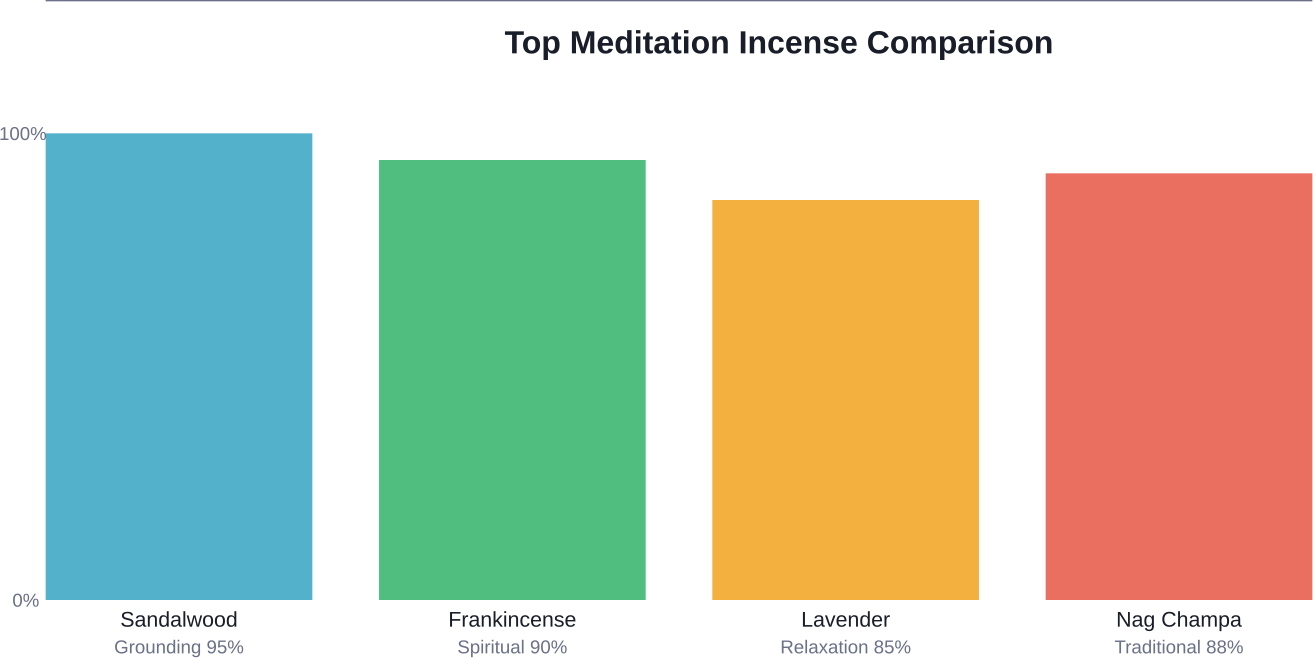
The best incense for meditation includes sandalwood for grounding, frankincense for spiritual connection, lavender for relaxation, and nag champa for traditional practice. Natural, high-quality incense sticks enhance focus and create a calming atmosphere that supports mindfulness and deeper meditation sessions.
For thousands of years, meditation practices across cultures have incorporated incense to calm the "monkey mind" and create an environment conducive to focus. The right scent doesn't just smell pleasant—it actively supports mental clarity and emotional balance during meditation.
But here's the thing: not all incense works the same way. Different scents trigger different neurological responses, and choosing the wrong one can actually distract from your practice rather than enhance it.
This guide breaks down the most effective meditation incense options, how to use them properly, and what makes certain scents particularly powerful for mindfulness work.
Incense creates more than ambiance. The olfactory system connects directly to the limbic system—the brain's emotional center—making scent one of the fastest routes to altered mental states.
In both Indian and Chinese Buddhist traditions, specific scents have been used for centuries to support spiritual practice. This isn't just tradition for tradition's sake. The consistent ritual of lighting incense signals to the brain that meditation time has begun, creating a psychological anchor.
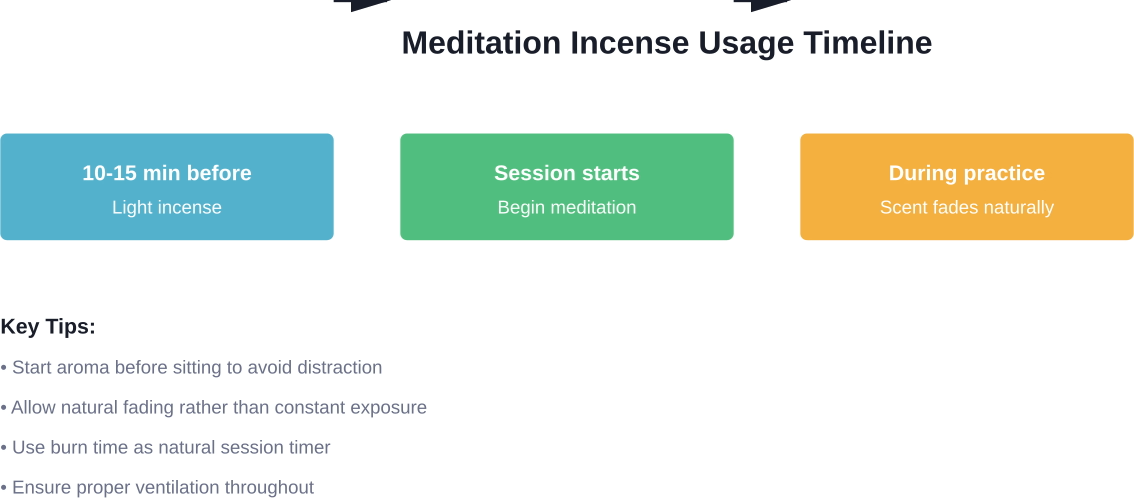
Community discussions among experienced meditators frequently mention using incense as a natural timer. Because incense burns slowly and consistently, a stick can mark the duration of meditation sessions. Japanese incense sticks typically burn for 30–40 minutes, while certain Zen incense varieties such as Shoyeido Zen incense can last up to two hours.

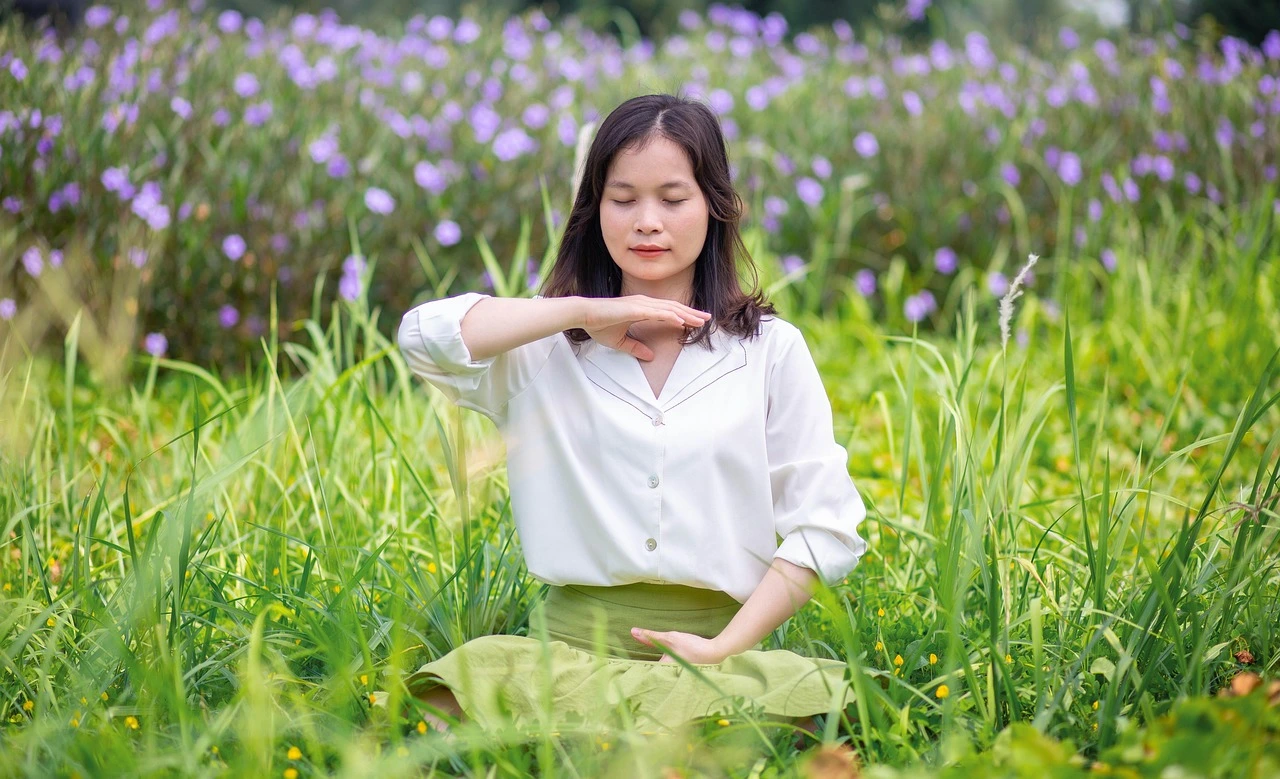
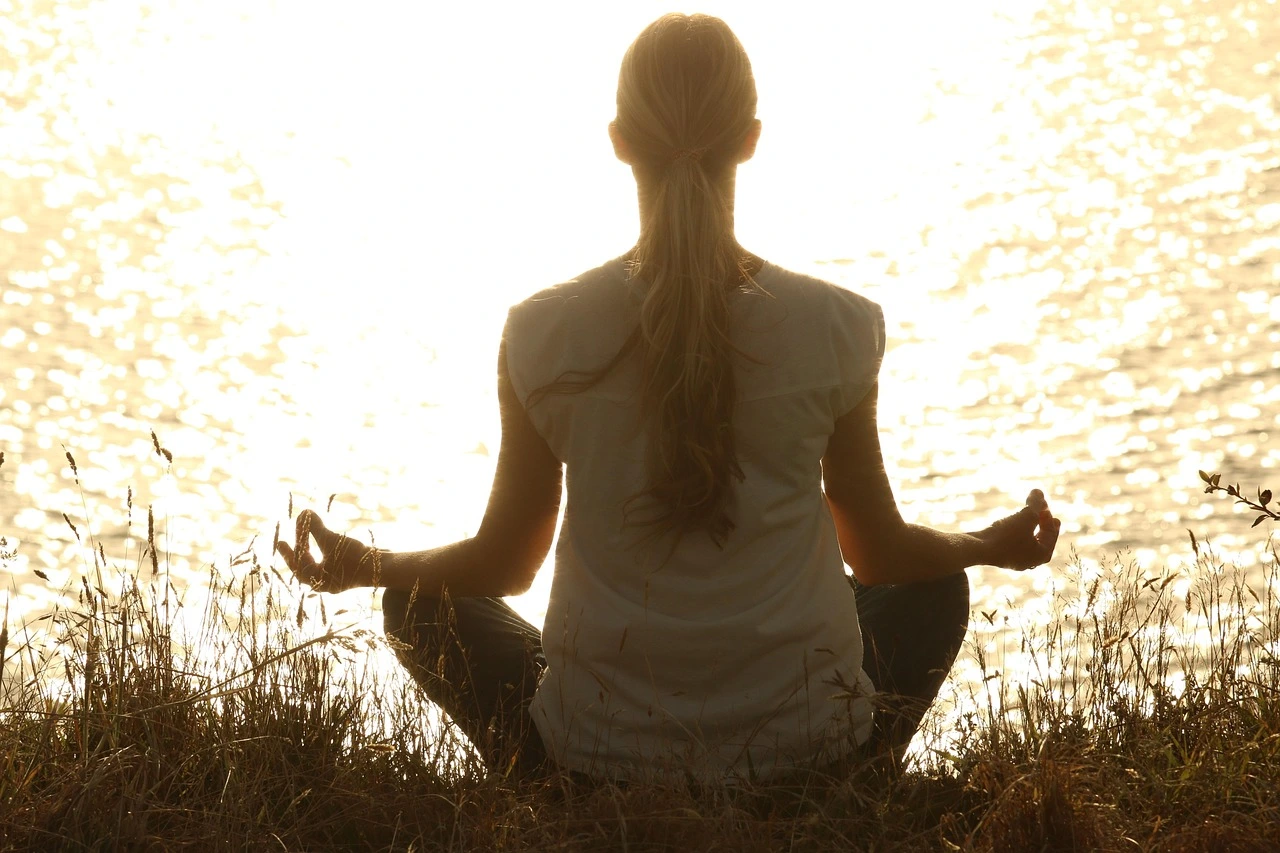
Incense is often used during meditation to create a peaceful environment and signal the start of a mindfulness session. Small rituals like this can help build a consistent meditation habit.
Mesmerize complements your meditation setup with guided sessions, relaxing soundscapes, and visual breathing cues designed to support focus and relaxation.
Features include:
If you want to add guided visual meditation to your routine, try Mesmerize by downloading it from the App Store or Google Play.
Not every pleasant smell makes good meditation incense. The most effective options share specific properties: they're grounding without being sedating, pleasant without being distracting, and consistent in quality.
Sandalwood stands as perhaps the most universally recommended meditation scent. Its woody, earthy aroma promotes grounding and mental clarity without overwhelming the senses.
The scent has been used in spiritual practices across Asia for millennia. Many meditators find sandalwood particularly effective for longer sessions because it doesn't trigger scent fatigue as quickly as floral options.
Frankincense has been studied for its properties in traditional formulations. The resin produces a warm, slightly sweet aroma when burned.
Frankincense creates what many describe as a "sacred" atmosphere. Community experiences suggest it's particularly effective for spiritual or contemplative meditation rather than simple stress relief.
Lavender promotes relaxation, emotional stability, and mental clarity while reducing anxiety, sadness, and restlessness. Ancient Egyptians used lavender in various spiritual contexts, and modern meditators value its calming properties.
The scent works especially well for evening meditation sessions or when stress levels run high. That said, some practitioners find lavender too sedating for morning practice.
This traditional Indian incense blend combines sandalwood, champak flower, and other natural ingredients. Nag champa has become synonymous with meditation spaces in many Western countries.
The distinctive scent creates strong psychological associations with spiritual practice. For practitioners who meditate regularly, nag champa can trigger an almost immediate shift into a meditative mindset.
Timing matters more than most practitioners realize. Starting the aroma 10–15 minutes before sitting allows the scent to establish without overwhelming the senses during the actual practice.
The nose adapts fast to constant stimulation. Intermittent exposure works better than continuous burning—a light wave of scent proves more effective than constant saturation.
Safe burning practices require proper equipment. Always place incense in a heat-resistant holder and keep burning sticks away from flammable materials.
Ventilation prevents headaches and respiratory irritation. A slightly open window maintains air quality while preserving the meditative atmosphere.
Organic and hand-rolled options tend to provide the best aroma and therapeutic effects. Some mass-produced incense can contain synthetic fragrances and fillers rather than clean scent.
Natural incense burns more cleanly and produces subtler aromas. The difference becomes particularly noticeable during longer meditation sessions.
The difference between natural and synthetic incense extends beyond marketing claims. Natural incense uses plant materials, resins, and essential oils. Synthetic versions rely on chemical fragrances and artificial binders.
Real talk: cheap incense often causes headaches, not relaxation. The harsh smoke from synthetic ingredients can actually increase stress rather than reduce it.
Look for incense labeled as hand-rolled, organic, or made from natural ingredients. Premium Japanese and Tibetan incense varieties typically use traditional methods without synthetic additives.
Japanese incense-making represents centuries of refinement. These varieties emphasize subtlety and purity, often containing aloeswood, sandalwood, and other precious ingredients.
The minimal approach suits focused meditation practices where strong scents might prove distracting. Japanese incense also burns very cleanly with minimal smoke.
Indian varieties like nag champa use the masala method—rolling wet paste over a bamboo core. This creates richer, more complex scents that fill meditation spaces effectively.
Traditional Indian incense connects directly to yoga and meditation practices developed over millennia. Many practitioners find these scents create strong associations with dedicated practice.
Chinese and agarwood incense traditions incorporate specific aromatic components. These varieties often incorporate medicinal herbs alongside aromatic woods, reflecting the integration of healing and spiritual practice in Eastern traditions.
Tibetan rope incense uses ancient formulas that combine dozens of ingredients. The complexity creates layered scents that evolve as they burn.
Using too much incense ranks as the most frequent error. One stick provides plenty of scent for most meditation spaces. Multiple sticks create overwhelming smoke that hinders rather than helps.
Burning incense in poorly ventilated spaces causes headaches and respiratory discomfort. Some airflow is essential, even during deep meditation sessions.
Starting incense simultaneously with meditation creates initial distraction. The lighting process, initial smoke burst, and scent establishment all pull attention away from settling into practice.
The best incense for meditation depends on individual preferences and practice goals. Sandalwood offers reliable grounding, frankincense supports spiritual work, lavender promotes relaxation, and nag champa provides traditional atmosphere.
Start with small quantities of natural varieties to discover what resonates with specific practice styles. Quality matters more than quantity—one stick of premium natural incense outperforms multiple synthetic options.
The right meditation incense enhances practice without becoming the practice itself. It creates supportive conditions for the real work of mindfulness and mental cultivation. Choose wisely, use mindfully, and let the scent serve the deeper purpose of meditation rather than becoming a distraction from it.
I canceled my subscription with Headspace and I now pay for Mesmerize instead. I was hooked after the free trial! I love how customizable the sounds, meditations, and visuals are! Using this app has honestly become my favorite part of my day! ☺️ It helps me relax, meditate, visualize, sleep, and it does wonders for my anxiety/phobia/ocd tendencies. Thank you Mesmerize for giving us this amazing mental health tool! I told my therapist about this app and have been telling all my friends too. It’s just so helpful!
This is the second or third app in the mindfulness and meditation realm, and it’s the most scientific approach I have found. I have found these combinations of open monitoring, and focused attention meditation techniques are the most viable for those suffering from more severe forms of sleep, pain, and anxiety dysfunction one may be suffering from. Many of these approaches are used by professionals in a cognitive behavioral therapy setting. A truly complete approach in mindfulness and meditation.
I suffer from clinical depression and sometimes I get into a bad headspace but this app has really helped me whenever I’m in a bad mood I turn on the app listen to some person taking about breathing and look at cool figures on my phone and it makes me feel so much better I would highly recommend this app it’s worth the money
It didn’t take but five minutes of using this app to buy a yearly subscription. Worth it on so many levels. Easy to manipulate to what I like. Massive library of music, videos, etc.
Clear your mind and relax with a unique audio visual meditation experience.


.jpeg)