Discover the best meditation frequencies for healing, sleep, and relaxation. Science-backed guide to 432 Hz, 528 Hz, binaural beats, and solfeggio frequencies.
.webp)
The best meditation frequency depends on your goals: 432 Hz promotes deep relaxation and sleep, 528 Hz supports emotional healing and transformation, 639 Hz enhances relationships and heart connection, and alpha waves (8-13 Hz) improve focus. Research examining 83 studies found that about 8 percent of meditation practitioners experienced negative effects, similar to rates seen with other therapeutic interventions.
Meditation has evolved far beyond sitting in silence. According to the National Center for Complementary and Integrative Health, meditation practices focus on mind and body integration to calm the mind and enhance overall well-being. But here's where it gets interesting: specific sound frequencies can amplify these benefits.
Different frequencies interact with your brain in measurable ways. Some promote deep relaxation, while others support emotional healing or spiritual connection. The challenge? Finding which frequency matches your intention.
This guide breaks down the science behind meditation frequencies, from solfeggio tones to binaural beats, so practitioners can make informed choices about their practice.
Meditation frequencies fall into two main categories: external sound frequencies (measured in Hertz) and brainwave frequencies that your mind naturally produces during different states of consciousness.
External frequencies like 432 Hz or 528 Hz are embedded in meditation music. These tones are believed to resonate with the body's energy systems. Brainwave frequencies, on the other hand, represent the electrical activity in your brain during various mental states.
Sound frequencies interact with the nervous system through a process called entrainment. When exposed to repetitive auditory stimuli, the brain tends to synchronize its electrical activity to match the frequency of the sound.
The National Center for Complementary and Integrative Health notes that relaxation techniques bring about the body's "relaxation response," characterized by slower breathing, lower blood pressure, and a reduced heart rate. Sound frequencies can trigger this response when used consistently.
Real talk: not everyone responds the same way. Research examining meditation practices found that about 8 percent of participants experienced negative effects, similar to rates seen with other therapeutic interventions. This doesn't mean frequencies are dangerous—it means individual responses vary.
Solfeggio frequencies are a set of specific tones believed to have unique healing properties. These ancient musical scales have gained popularity in modern meditation communities, though scientific validation remains limited.
Each solfeggio frequency targets different aspects of well-being, from physical healing to spiritual awakening.
Known as the "love frequency," 528 Hz is associated with emotional healing and DNA repair. Community discussions frequently cite this frequency for its ability to promote transformation and positive change.
This frequency works beautifully for emotional processing sessions. Many practitioners use it during heart-centered meditation or when working through challenging emotions.
For best results, listen with headphones during 30-60 minute sessions. The immersive experience helps the brain sync with the frequency more effectively.
The 432 Hz frequency is often called the "universal frequency" because it's believed to align with natural patterns found in nature. This tone promotes deep relaxation and is particularly effective for sleep preparation.
Practitioners report that 432 Hz creates a sense of peace and well-being. It's gentler than higher frequencies, making it ideal for beginners or those seeking stress reduction.
This frequency pairs well with evening meditation practices. The calming effect supports the body's natural wind-down process before sleep.
The 639 Hz frequency specifically supports communication, harmony, and heart connection. This makes it valuable for relationship healing or developing compassion.
Use this frequency when meditating on forgiveness, connection with others, or opening the heart chakra. The vibration encourages emotional balance and interpersonal harmony.

Many people search for the best meditation frequencies because sound can influence relaxation and focus. Certain tones and ambient audio are commonly used to help the mind settle during meditation sessions.
Mesmerize combines calming audio with slow visual patterns that guide breathing and attention, creating a simple environment for meditation and relaxation.
The app offers:
If you want to experience meditation with both sound and visuals, try Mesmerize - you can download it from the App Store or Google Play.
Your brain produces different electrical frequencies depending on your mental state. Understanding these patterns helps match external meditation frequencies to desired outcomes.
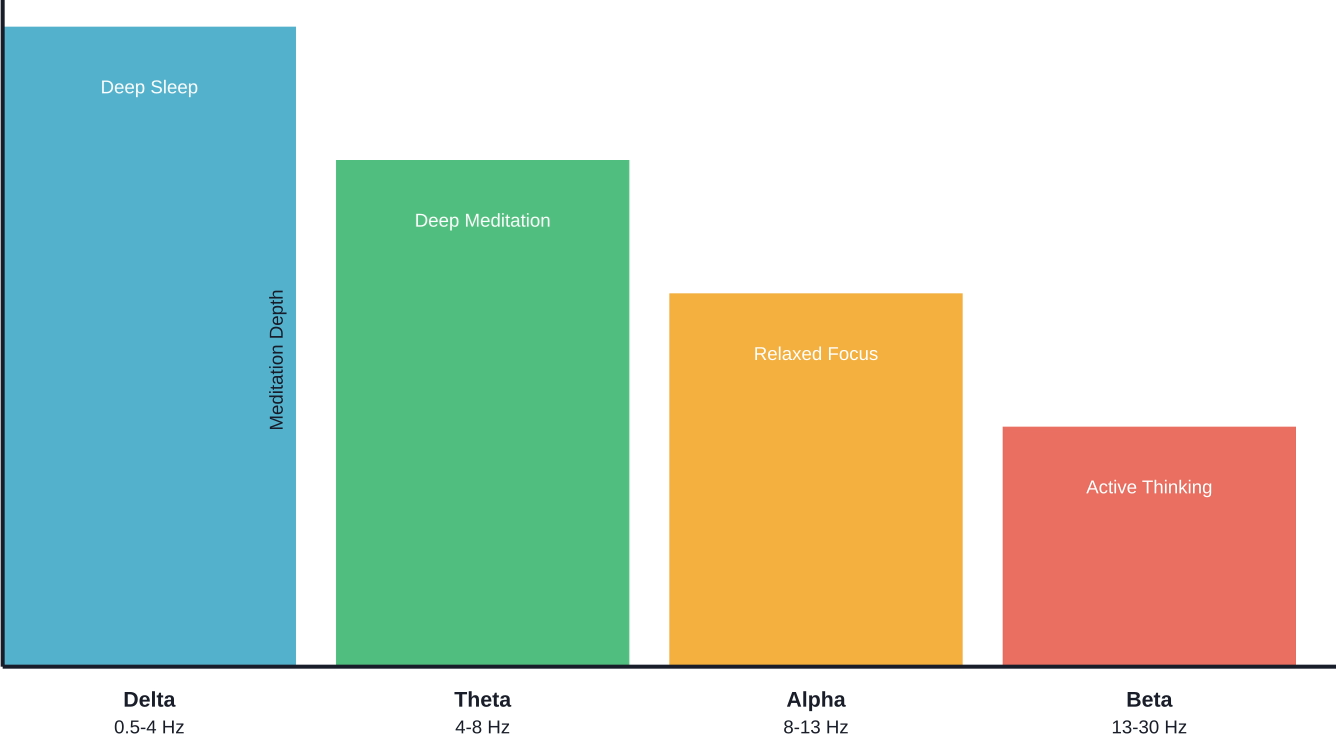
Delta waves dominate during deep, dreamless sleep. These slow frequencies are associated with healing, regeneration, and unconscious bodily processes.
Meditation practices rarely aim to induce delta states while awake, but they're valuable for sleep meditation tracks. Deep restorative rest happens when delta waves are present.
Theta frequencies occur during deep meditation, light sleep, and REM dreaming. This state is where profound insights and creative breakthroughs often emerge.
Experienced meditators can access theta states while maintaining awareness. This is the sweet spot for visualization, intuitive work, and accessing subconscious patterns.
Theta-inducing binaural beats typically use carrier frequencies in the 200-400 Hz range with a 4-8 Hz difference between ears.
Alpha waves represent relaxed alertness—the bridge between conscious thinking and deeper meditation. This is the frequency range most meditation beginners experience.
According to mind and body practice research, this state promotes stress reduction while maintaining mental clarity. Alpha frequencies are ideal for mindfulness meditation and stress management.
Many meditation apps target alpha wave production because it's accessible and immediately beneficial for stress relief.
Beta frequencies dominate during active thinking, problem-solving, and focused concentration. While not typically a meditation goal, low-beta states can support focused attention practices.
Some meditation techniques use beta frequencies to enhance concentration before transitioning to deeper states.
These two approaches work through different mechanisms, though they're often confused or combined in meditation tracks.
Binaural beats work by playing slightly different frequencies in each ear—say 200 Hz in the left and 210 Hz in the right. The brain perceives a third "phantom" beat at 10 Hz (the difference), which can encourage alpha wave production.
Solfeggio frequencies don't require this stereo difference. They're single tones that practitioners believe resonate with energy centers or promote specific healing outcomes.
The short answer? It depends on the goal.
For targeting specific brainwave states—like reaching theta for deep meditation or alpha for relaxation—binaural beats have more research support. They directly influence neural oscillation patterns through auditory entrainment.
For emotional healing or spiritual work, many practitioners prefer solfeggio frequencies. Community experiences suggest these tones support intention-setting and heart-centered practices, even if clinical evidence is limited.
Some practitioners combine both approaches, layering solfeggio tones over binaural beat patterns. This creates a multi-layered experience that addresses both brainwave entrainment and energetic resonance.
Matching frequency to intention makes a measurable difference in meditation outcomes. Here's how to select based on common objectives.
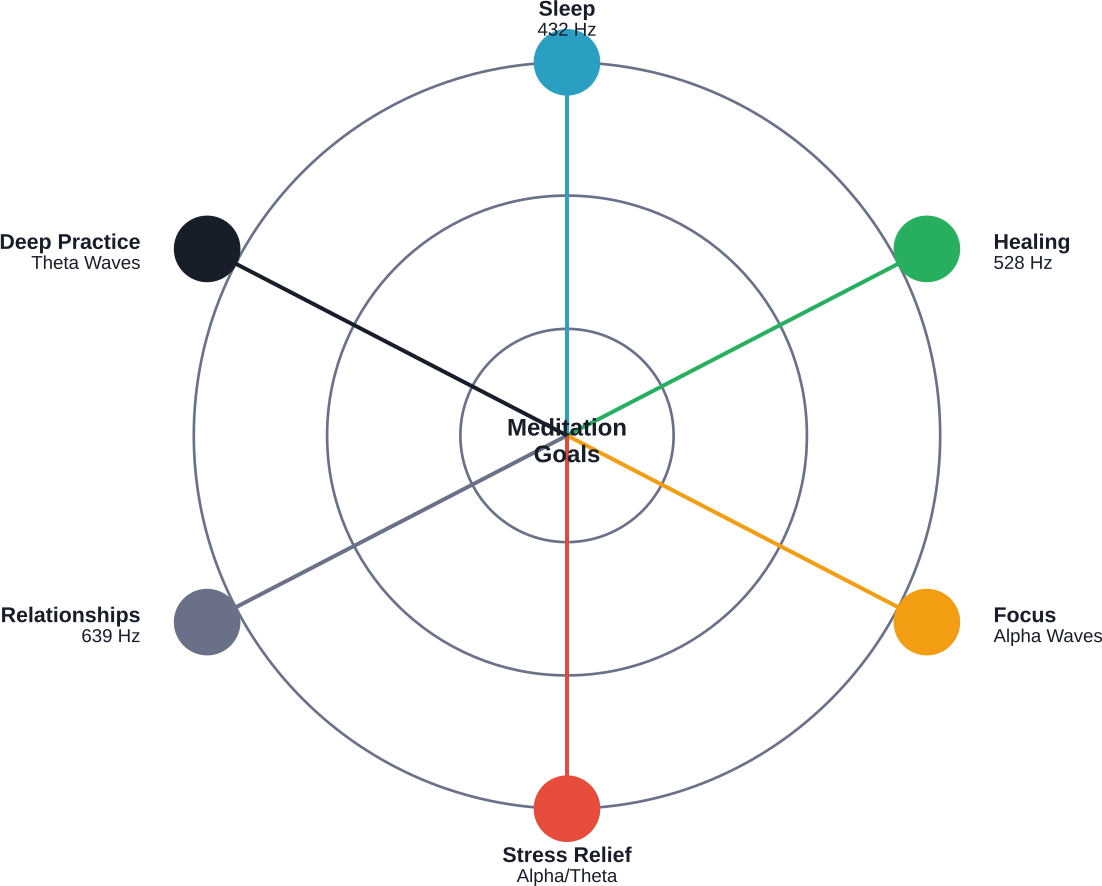
The 432 Hz frequency consistently receives positive feedback for sleep preparation and deep relaxation. Its gentle, grounding quality supports the nervous system's shift into rest mode.
Pair this with delta wave binaural beats (0.5-4 Hz) for enhanced sleep induction. The combination addresses both the energetic (solfeggio) and neurological (brainwave) aspects of sleep.
Listen for 30-60 minutes before bed. Daily practice is recommended over occasional use for optimal benefits.
The 528 Hz frequency specifically supports emotional processing and transformation. This is the go-to choice for heart-centered meditation or releasing old patterns.
Combine with theta wave binaural beats (4-8 Hz) to access deeper subconscious material. This state allows insights and emotional releases that alpha-level practice might miss.
Alpha wave frequencies (8-13 Hz) delivered through binaural beats enhance focus while maintaining relaxation. This is the ideal state for mindfulness practice or focused attention meditation.
Low-beta frequencies (13-15 Hz) can support concentration during active meditation techniques or breathwork practices that require sustained attention.
The 639 Hz solfeggio frequency supports communication, harmony, and heart connection. Use this for loving-kindness meditation or relationship healing work.
This frequency pairs well with visualization practices focused on compassion, forgiveness, or connecting with others energetically.
Frequency meditation works best with consistent practice and proper technique. The National Center for Complementary and Integrative Health emphasizes that meditation practices require regular engagement for optimal benefits.
Use headphones for binaural beats—this is non-negotiable. The effect requires different frequencies in each ear, which speakers can't deliver properly.
For solfeggio frequencies, headphones still help. They create an immersive environment that supports deeper brain-frequency synchronization.
Match session length to practice depth. Quick 10-minute sessions work for stress relief or energy shifts. Deep transformational work benefits from 30-60 minute sessions.
Listen consistently rather than sporadically. Consistent daily practice is recommended over sporadic longer sessions.
Start with one frequency that matches the most pressing goal. Using multiple frequencies in the same session can dilute focus, especially for beginners.
Set clear intentions before pressing play. The frequency amplifies meditation, but intention directs the energy. Know what outcome the session should support.
Combine frequency meditation with other techniques. Breath awareness, body scanning, or mantra repetition work beautifully alongside healing frequencies.
Track subjective experiences in a journal. Note which frequencies produce desired effects and which don't resonate. Individual responses vary significantly.
A 2020 review examining 83 studies (6,703 participants) found that 55 of those studies reported negative experiences related to meditation, with researchers concluding that about 8 percent of participants had negative effects. While this percentage is similar to other therapeutic interventions, it's worth acknowledging that meditation isn't universally positive for everyone.
Some practitioners report headaches, anxiety, or disorientation when using certain frequencies, particularly at high volumes or extended durations. Start conservatively with lower volumes and shorter sessions.
People with epilepsy or seizure disorders should consult healthcare providers before using binaural beats or strobe-like visual elements sometimes paired with frequency meditation.
Sound sensitivity varies widely. What feels healing to one person might feel jarring to another. Trust personal responses over claims about "universal" frequencies.
The National Center for Complementary and Integrative Health notes that while meditation shows promise for conditions like high blood pressure, anxiety, depression, and pain, it should complement rather than replace conventional medical care.
Not all frequency tracks are created equal. Poor production, incorrect frequencies, or distracting background elements can undermine the practice.
Look for tracks that clearly state the exact frequencies used. Vague descriptions like "healing tones" without specific Hz numbers suggest the producer may not understand frequency meditation properly.
Pure tone tracks work better than those with excessive musical embellishment. While some melody can help maintain engagement, the frequency itself should be the primary element.
Check that binaural beat tracks actually use the proper frequency difference. Some tracks labeled "theta meditation" don't deliver authentic theta-range binaural beats.
Community recommendations from experienced practitioners often lead to higher-quality sources than algorithmic suggestions or paid promotions.
The best meditation frequency emerges from understanding personal goals and experimenting with different approaches. According to mind and body practice research, meditation focuses on mind-body integration to promote well-being—frequencies simply enhance this fundamental process.
The 432 Hz frequency supports relaxation and sleep. The 528 Hz frequency aids emotional healing. Alpha waves improve focus while reducing stress. Theta frequencies unlock deeper meditation states. Each serves specific purposes in a complete practice.
But here's the thing: frequencies amplify meditation, they don't replace it. The real work happens in consistent practice, clear intention, and present-moment awareness. Frequencies are tools, not magic solutions.
Start with one frequency that matches the most pressing goal. Use quality headphones, set clear intentions, and practice consistently. Track what works and adjust based on actual experience rather than theoretical claims.
The National Center for Complementary and Integrative Health emphasizes that meditation practices complement overall wellness strategies. Frequencies add another dimension to this ancient practice, bridging traditional wisdom with modern understanding of sound and consciousness.
Ready to deepen your meditation practice? Choose a frequency, press play, and discover how sound can transform awareness.
I canceled my subscription with Headspace and I now pay for Mesmerize instead. I was hooked after the free trial! I love how customizable the sounds, meditations, and visuals are! Using this app has honestly become my favorite part of my day! ☺️ It helps me relax, meditate, visualize, sleep, and it does wonders for my anxiety/phobia/ocd tendencies. Thank you Mesmerize for giving us this amazing mental health tool! I told my therapist about this app and have been telling all my friends too. It’s just so helpful!
This is the second or third app in the mindfulness and meditation realm, and it’s the most scientific approach I have found. I have found these combinations of open monitoring, and focused attention meditation techniques are the most viable for those suffering from more severe forms of sleep, pain, and anxiety dysfunction one may be suffering from. Many of these approaches are used by professionals in a cognitive behavioral therapy setting. A truly complete approach in mindfulness and meditation.
I suffer from clinical depression and sometimes I get into a bad headspace but this app has really helped me whenever I’m in a bad mood I turn on the app listen to some person taking about breathing and look at cool figures on my phone and it makes me feel so much better I would highly recommend this app it’s worth the money
It didn’t take but five minutes of using this app to buy a yearly subscription. Worth it on so many levels. Easy to manipulate to what I like. Massive library of music, videos, etc.
Clear your mind and relax with a unique audio visual meditation experience.


.jpeg)