Discover Tokyo's best meditation spots, from authentic Zen temples offering zazen to peaceful gardens. Your complete guide to mindfulness in Japan's capital.
.webp)
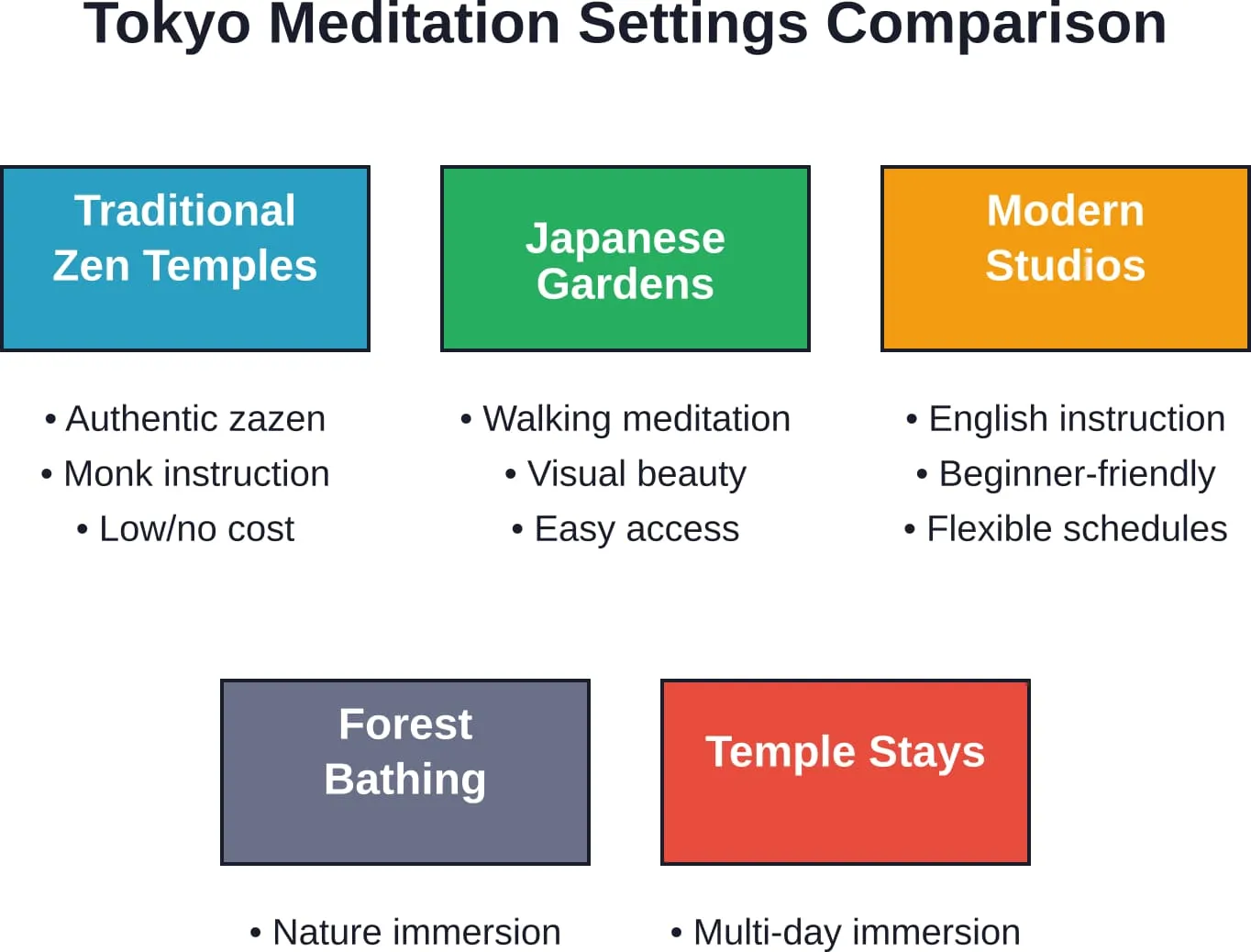
Quick Summary: Tokyo offers an exceptional range of meditation spots, from ancient Zen temples hosting traditional zazen sessions to serene Japanese gardens and modern mindfulness centers. The city blends centuries-old Buddhist practices with contemporary wellness spaces, providing both tourists and residents access to authentic meditation experiences in settings ranging from quiet temple grounds in Yanaka to forest bathing areas near Mount Takao.
Finding moments of stillness in Tokyo sounds contradictory. After all, this metropolis of 14 million people pulses with energy around the clock.
But here's the thing—beneath the neon and noise, Tokyo holds hundreds of meditation spaces where centuries-old practices continue undisturbed. Temple bells still ring at dawn. Gardens maintain their contemplative silence. Monks welcome practitioners regardless of background.
The best meditation spots in Tokyo aren't hidden away in some remote mountain village. They're woven into the city's fabric, accessible by subway, often just minutes from major stations.
Tokyo's meditation scene carries something other cities can't replicate—authenticity rooted in living tradition. Zen Buddhism didn't arrive here as a wellness trend. It's been practiced continuously for centuries, shaping Japanese culture at fundamental levels.
Forest bathing became a formalized practice in Japan in the 1980s to mitigate the negative impacts associated with long workdays and the culture of overworking in Tokyo. According to research from Nippon Medical School, a doctor at the institution estimates we spend 93 percent of our time indoors, creating what specialists identify as nature deficit disorder.
Tokyo responded by preserving green spaces and temple grounds as meditation sanctuaries. Even in dense neighborhoods like Shibuya or Shinjuku, temple gardens offer immediate access to contemplative environments.
Real talk: Tokyo meditation spots accommodate English speakers far better than most Japanese cities. Many temples now offer programs designed specifically for international visitors, with instruction available in English.
Zazen—seated Zen meditation—forms the core of Japanese Buddhist practice. Several Tokyo temples open their meditation halls to visitors, offering authentic experiences with minimal barriers to entry.
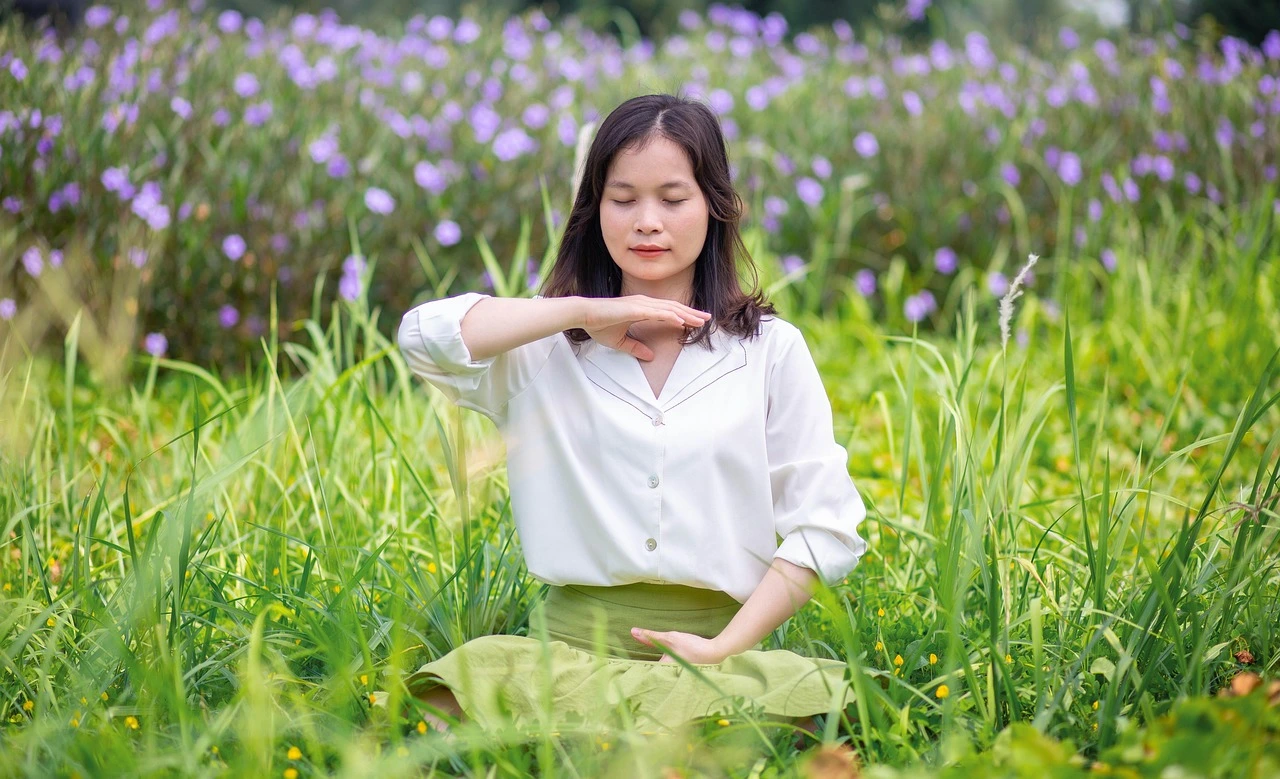
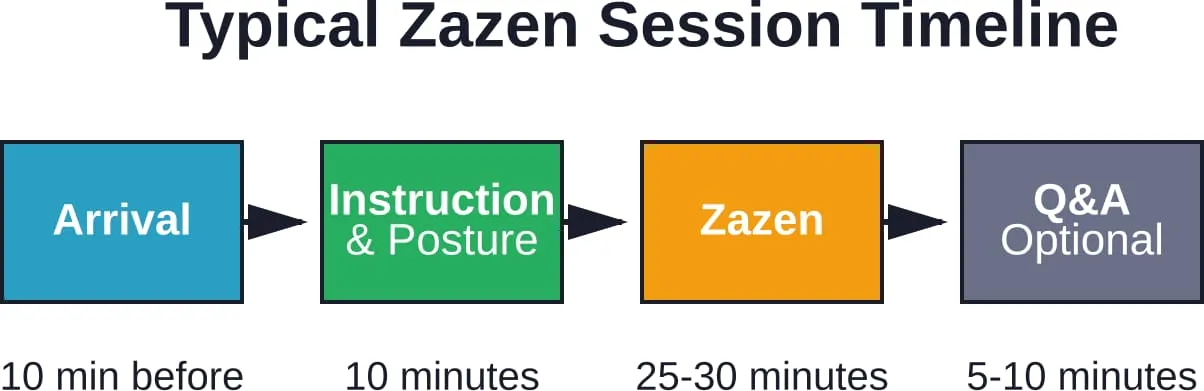
A typical zazen session runs about 30 minutes for beginners. Practitioners sit in specific postures—cross-legged on cushions called zafu—focusing on breath while observing thoughts without attachment.
Monks provide posture guidance before sessions begin. No chanting required, though some temples include sutra recitation as part of longer programs. The atmosphere stays quiet, contemplative, stripped of unnecessary ritual for newcomers.
Sessions usually happen early in the morning or evening. Some temples charge small fees (typically ¥500-¥1,000), while others accept donations.
The official Soto Zen network maintains a list of temples specifically equipped to welcome international visitors. These locations staff English-speaking guides and structure programs to accommodate those unfamiliar with Buddhist customs.
Programs range from single drop-in sessions to multi-day temple stays (shukubo). The longer experiences include vegetarian meals, participation in morning services, and opportunities to engage with monastic life rhythms.
Japanese garden design follows philosophical principles that naturally support meditative states through deliberate asymmetry, careful plant selection, water features, and stone arrangements. Walking these spaces becomes a form of moving meditation—what some practitioners call kinhin.
These adjacent neighborhoods preserve Tokyo's older character. Narrow streets wind between traditional wooden buildings, small temples, and quiet gardens.
Yanaka Cemetery's cherry tree-lined paths offer peaceful walking meditation routes, especially early morning before crowds arrive. Multiple small temples throughout the area maintain gardens open to respectful visitors.
The atmosphere here differs markedly from central Tokyo. Slower pace. Fewer tourists. More locals going about daily life in ways that haven't changed substantially in decades.
This lesser-known garden provides a contemplative space specifically designed for philosophical reflection and meditation. The garden grounds feature traditional landscaping with areas designated for quiet sitting.
Located in Nakano ward, it's easily accessible yet remains off most tourist routes. That relative obscurity means more solitude for practice.
Several of Tokyo's famous gardens support meditation practice through sheer beauty and thoughtful design:
These gardens charge small admission fees (¥150-¥500) and maintain hours that allow early morning or late afternoon visits when crowds thin.
Shinrin-yoku—forest bathing—became recognized as preventative healthcare in Japan during the 1980s. Forest bathing has been identified as providing benefits including a boost in mood, elevated focus, better sleep and decreases in blood pressure and cortisol levels.
The practice involves mindfully spending time in nature, engaging all five senses. Not hiking for exercise. Not rushing to a destination. Just being present among trees.
Just one hour from central Tokyo, Mount Takao offers accessible forest bathing without requiring wilderness skills. Multiple trails wind through cedar and oak forests, with several temples dotting the mountainside.
Yakuoin Temple near the summit welcomes visitors for meditation. The forest paths themselves provide natural settings for walking meditation or simply sitting quietly among trees.
Early morning visits—arriving on the first train—offer the most peaceful experience before day-trippers crowd the trails.
This artificial forest in central Tokyo was planted when Meiji Shrine was established. Now mature, it creates a genuine forest environment despite being surrounded by urban development.
The approach to the shrine follows a wide gravel path beneath towering trees. Many visitors practice informal walking meditation here, moving slowly, breathing deeply, attuning to the dramatic shift from Harajuku's chaos to forest quiet.
Tokyo also supports contemporary meditation spaces that blend traditional practices with modern approaches. These centers often provide English instruction and structured programs for beginners.
Several studios throughout Tokyo offer regular meditation classes on a drop-in basis. These typically teach mindfulness techniques, breathing exercises, and sometimes incorporate yoga.
Class formats vary—some emphasize silent sitting, others include guided visualization or body scanning. Sessions usually run 45-90 minutes with instruction in English or bilingual format.
This unique program combines Zen meditation principles with ninja philosophy. Based in Nerima ward, it offers what organizers call "the ultimate mindfulness experience"—reconnecting with your inner self through historical ninja wisdom.
The approach integrates traditional zazen with movement practices and philosophical teachings from ninjutsu tradition. Programs accommodate English-speaking participants.
Some temples and practitioners offer private meditation instruction for individuals or small groups. These personalized sessions allow deeper exploration of technique and philosophy without the distractions of larger groups.
Private sessions typically cost more than group classes but provide customized guidance addressing specific practice goals or challenges.

Visiting peaceful meditation spots is a great way to slow down and reset. When you leave those spaces, Mesmerize helps you continue your practice with guided meditations, animated visuals, calming soundscapes, visual breathing experiences, affirmations, hypnosis content, and sleep stories.
Mesmerize can support your meditation routine with:
Download Mesmerize on iOS or Android to keep your meditation practice going wherever you are.
Chanoyu—the Japanese tea ceremony—functions as meditation in motion. Every gesture follows prescribed forms. Attention focuses completely on the present moment. The ritual creates a contained environment for mindfulness.
Several Tokyo venues offer tea ceremony experiences that emphasize the meditative aspects rather than just cultural performance. Participation doesn't require prior knowledge—instructors guide participants through each step.
The best experiences happen in traditional settings: temple tea houses, historic gardens, or dedicated tea rooms with proper tatami flooring and tokonoma alcoves.
Sessions typically last 45-90 minutes and include explanation of the ceremony's philosophical underpinnings, demonstration, and hands-on participation in preparing and drinking matcha.
Tokyo transforms in the early hours. Experiencing the city before crowds emerge reveals a completely different character.
Several meditation-conducive activities align perfectly with early rising:
Many temples conduct morning services around 6:00-7:00 AM. These typically include sutra chanting, offerings, and sometimes zazen. Visitors are often welcome to observe or participate.
The experience provides insight into living Buddhist practice rather than performance for tourists. Real monks conducting actual religious observances.
This might seem counterintuitive, but early morning visits to Tsukiji Outer Market can serve as a form of mindfulness practice. Engaging the senses—sights, sounds, smells of fresh fish and produce—grounds awareness in the present moment.
The practice relates to traditional Buddhist mindfulness extending to all daily activities, not just formal sitting meditation.
For a different approach to morning meditation, Spa LaQua at Tokyo Dome draws natural hot spring water from 1,700 meters underground. The facility offers various baths and saunas, creating conditions that support meditative states through heat and water immersion.
Some facilities like Manyo no Yu Machida operate 24 hours, allowing pre-dawn sauna sessions that combine heat therapy with quiet contemplation.
Visiting temples for meditation requires some preparation and cultural awareness. But don't let uncertainty prevent participation—temples welcoming foreign visitors expect questions.
Comfortable, modest clothing works best. Many temples require removing shoes, so wear socks. Loose pants allow sitting cross-legged comfortably. Avoid strong perfumes or scents.
Some temples provide cushions and supports, others expect participants to bring their own. Check in advance or arrive early to see what's available.
Temples listed on the Soto Zen English-language resources maintain staff who can communicate in English. For other locations, basic Japanese phrases help but aren't always necessary.
Meditation itself requires minimal verbal communication. Most instruction can be demonstrated physically. Questions can often wait until after sessions.
Policies vary by temple. Some require advance reservations, especially for English-language sessions or private instruction. Others accept drop-ins for regular group sessions.
Always verify current schedules and requirements before traveling to a temple. Websites often list this information, or email inquiries usually receive responses within a day or two.
Temple meditation sessions typically cost ¥500-¥2,000 depending on length and format. Some temples operate on donation basis instead of fixed fees.
Multi-day temple stays (shukubo) including accommodation and meals vary significantly by location and included amenities.
For deeper immersion, several retreat centers within a day-trip distance of Tokyo offer multi-day programs combining meditation, yoga, and wellness practices.
These facilities typically provide accommodation, vegetarian meals, and structured schedules alternating between meditation sessions, teachings, and free time. Programs often blend Japanese Zen traditions with other meditation approaches.
Retreat schedules generally begin early—5:00 or 6:00 AM wake-up calls are standard. Morning meditation precedes breakfast. The day alternates between sitting meditation, walking meditation, teachings, and practical activities like garden work or meal preparation.
Periods of noble silence—no talking—help maintain a contemplative atmosphere. Some retreats maintain silence throughout, others designate specific times for conversation.
Accommodations range from shared dormitory-style rooms to private quarters, depending on the facility and price point. Most retreats encourage disconnecting from phones and the internet for the duration.
Retreat participants span experience levels from complete beginners to longtime practitioners. Many people attend solo, which community discussions indicate is common and socially acceptable.
International visitors mix with Japanese participants, creating cross-cultural learning opportunities. English instruction availability varies by retreat, so verify language options when booking.
Certain Tokyo neighborhoods concentrate meditation resources and maintain atmospheres more conducive to contemplative practice.
This area escaped major war damage, preserving older Tokyo character. Narrow streets, traditional architecture, numerous small temples, and slower pace make it ideal for meditation-focused stays.
Multiple temples offer meditation sessions or simply maintain beautiful grounds for quiet sitting. The neighborhood supports walking meditation through atmospheric streets connecting various temple sites.
This hillside neighborhood blends traditional and modern elements. Cobblestone streets, hidden shrines, and quiet cafes create pockets of tranquility despite proximity to busy Shinjuku.
Several temples dot the area, and the overall atmosphere supports mindful exploration rather than rushing between tourist sites.
Beyond Nakano Broadway's anime shops, the ward contains the Temple Garden of Philosophy and other contemplative spaces. The neighborhood feels more residential, less tourist-oriented than central areas.
Good base for those wanting authentic local life while maintaining easy access to meditation venues.
Don't assume meditation requires escaping to quiet neighborhoods. Several excellent spots exist near major transit hubs:
Tokyo's wellness culture extends beyond meditation into interconnected practices that support overall wellbeing.
Natural hot springs create deeply relaxing states conducive to meditation. The heat, mineral content, and ritual of bathing all contribute to physical and mental relaxation.
Some practitioners incorporate breathing meditation while soaking, using the warm water and quiet environment to deepen awareness.
Medical research indicates that if you spend 15 minutes daily massaging your calf (only from the lower ankle end toward the heart direction), your blood pressure will gradually drop.
This practice supports meditation by improving circulation and reducing physical tension that otherwise distracts from mental focus.
Many Tokyo studios and retreat centers combine yoga with meditation practice. The physical preparation through asana helps practitioners sit more comfortably for extended periods.
Some programs specifically structure schedules alternating between dynamic yoga sessions and quiet meditation, recognizing how each practice supports the other.
Appreciating the cultural context enriches meditation practice in Tokyo. These aren't just techniques—they're living traditions embedded in Japanese society.
Zen emphasizes direct experience over doctrine. The practice focuses on zazen—just sitting—as both means and end. Enlightenment isn't some future goal but reality accessible in each moment of aware presence.
This philosophy permeates Japanese aesthetics, from garden design to tea ceremony to architecture. Understanding this helps practitioners recognize meditation's integration into everyday life rather than separation into special spiritual activity.
Temple lodging (shukubo) has a long tradition in Japan, originally serving pilgrims traveling sacred routes and maintaining simple accommodations.
Staying at temples offers immersion in daily rhythms of monastic life—early rising, morning services, simple vegetarian meals, evening meditation. This complete environment supports deeper practice than drop-in sessions allow.
While major pilgrimage routes concentrate in regions like the Kii Mountains, Tokyo connects to this tradition through numerous temples serving as pilgrimage destinations or starting points.
Walking between temple sites as mini-pilgrimage combines physical movement, changing scenery, and contemplative purpose in ways that support meditative awareness.
Language barriers need not prevent meaningful meditation practice in Tokyo. Multiple resources support English speakers:
The Soto Zen official website maintains current lists of temples offering programs for foreigners, with contact information and language capabilities noted.
The Japan National Tourism Organization provides guides to Zen Buddhism and meditation opportunities, with practical details about access and participation.
Online communities share experiences and recommendations for meditation venues. While individual experiences vary, patterns emerge indicating which locations consistently accommodate English speakers well.
Tokyo maintains active meditation communities mixing Japanese and international practitioners, often organizing events, workshops, and informal sitting groups.
Retreat booking platforms list Japanese meditation and wellness retreats with reviews from past participants. These provide insights into actual experience quality, language support, and overall atmosphere.
Reading multiple reviews helps identify whether a particular venue matches individual preferences and practice goals.
Tokyo's distinct seasons affect meditation practice in outdoor settings and influence which venues offer optimal experiences.
Late March through early April brings peak crowds to gardens and temple grounds. Beautiful, but challenging for quiet meditation. Early morning visits become even more crucial during this period.
Some practitioners embrace the crowds as practice in maintaining equanimity amid distraction. Others seek lesser-known temples that don't attract cherry blossom tourists.
Tokyo summers reach high temperatures with oppressive humidity. Indoor meditation spaces with climate control become more appealing than outdoor practice.
Forest bathing areas offer cooler temperatures beneath tree canopy. Mountain locations like Mount Takao provide relief from urban heat island effects.
November typically brings spectacular autumn foliage to Tokyo gardens and temple grounds. Like the cherry blossom season, this attracts crowds but offers extraordinary natural beauty.
The dramatic seasonal change itself becomes a meditation subject—observing impermanence made visible in falling leaves and shifting colors.
January and February bring cold, clear weather and fewer tourists. Temple gardens display distinctive winter aesthetics with bare branches.
This season offers the quietest meditation conditions in outdoor spaces. Indoor meditation halls may be cold, so dress warmly in layers.
Many people visit Tokyo alone specifically for meditation practice. The city accommodates solo travelers well, and meditation venues particularly welcome individual practitioners.
Tokyo ranks among the world's safest cities. Solo travelers—including women—generally move freely without safety concerns that might exist in other major metropolises.
Temple grounds and gardens maintain secure environments. Meditation sessions follow structured formats that don't require social interaction, making them comfortable for solo participants.
While meditation practice itself stays solitary, opportunities exist for connecting with fellow practitioners. Many temples and studios maintain community atmospheres where conversations naturally develop before or after sessions.
Some people specifically seek solo retreat experiences for complete solitude. Others appreciate the supportive group energy while maintaining individual practice.
For Tokyo residents or longer-term visitors, establishing regular meditation practice differs from one-off tourist experiences.
Consistent practice benefits from regular attendance at the same location. Developing relationships with teachers and fellow practitioners deepens understanding and commitment.
Many temples welcome regular participants regardless of religious affiliation. Meditation practice itself doesn't require converting to Buddhism or adopting religious beliefs.
While special locations enhance practice, meditation ultimately happens anywhere. Tokyo's parks, quiet cafes, even subway trains can serve as practice spaces once foundational skills develop.
Regular temple visits supplement daily home practice rather than serving as the only meditation time. The combination—daily sitting plus periodic immersion in dedicated spaces—supports steady development.
I canceled my subscription with Headspace and I now pay for Mesmerize instead. I was hooked after the free trial! I love how customizable the sounds, meditations, and visuals are! Using this app has honestly become my favorite part of my day! ☺️ It helps me relax, meditate, visualize, sleep, and it does wonders for my anxiety/phobia/ocd tendencies. Thank you Mesmerize for giving us this amazing mental health tool! I told my therapist about this app and have been telling all my friends too. It’s just so helpful!
This is the second or third app in the mindfulness and meditation realm, and it’s the most scientific approach I have found. I have found these combinations of open monitoring, and focused attention meditation techniques are the most viable for those suffering from more severe forms of sleep, pain, and anxiety dysfunction one may be suffering from. Many of these approaches are used by professionals in a cognitive behavioral therapy setting. A truly complete approach in mindfulness and meditation.
I suffer from clinical depression and sometimes I get into a bad headspace but this app has really helped me whenever I’m in a bad mood I turn on the app listen to some person taking about breathing and look at cool figures on my phone and it makes me feel so much better I would highly recommend this app it’s worth the money
It didn’t take but five minutes of using this app to buy a yearly subscription. Worth it on so many levels. Easy to manipulate to what I like. Massive library of music, videos, etc.
Clear your mind and relax with a unique audio visual meditation experience.


.jpeg)