Discover how meditation candles enhance mindfulness, which types work best, and how to use them safely. Start your calmer practice today.

Quick Summary: Meditation candles are scented or unscented candles used as a focal point during mindfulness practice, helping anchor attention through flame-gazing, scent, and ritual. The best choice depends on whether someone wants aromatherapy benefits, a visual focus point, or a simple grounding ritual to start and end a session. Beeswax and soy candles with calming scents like lavender or sandalwood are generally the safest and most effective picks. Used alongside breathwork or guided practices, they can make settling into stillness noticeably easier.
There's a reason candlelight shows up in temples, living rooms, and yoga studios alike. A flickering flame does something a phone screen never will — it slows the nervous system down just by existing in the room. Meditation candles take that effect and build a whole ritual around it, blending scent, light, and intention into a few quiet minutes.
This guide covers what actually makes a candle suited for meditation, the main types worth knowing about, how to pick one that fits a specific goal, and how to use it without turning the whole thing into a fire hazard. Along the way, there's a look at how candle rituals compare to other calming tools, including visual meditation apps that use light and movement instead of flame.
Technically, any candle can be used for meditation. But the ones marketed specifically for the practice tend to share a few traits: clean-burning wax, minimal or purposeful scent, and a steady, low-flicker flame that's easy on the eyes during long gazing sessions.
Soy and beeswax are the two most common bases. Paraffin candles burn cheaper but release more soot, which isn't exactly in the spirit of clean, mindful breathing. Many meditation-focused brands also skip synthetic fragrance oils in favor of essential oils, since the goal is a gentle background note rather than an overpowering perfume.
Some candles go a step further with "intention setting" — labels or rituals that encourage lighting the candle while naming a goal for the session, whether that's focus, calm, or release. It's more ritual than science, but ritual itself has real psychological weight. Repeating the same small act before every session trains the brain to associate it with settling down.
Flame-gazing, sometimes called trataka in yogic tradition, is one of the oldest concentration techniques around. Staring softly at a flame gives the mind a single, undemanding point of focus — not nothing, which is hard to sustain, but not much either.
Scent adds another layer. Certain aromas, lavender and sandalwood among the most studied, are associated with lower perceived stress and slower breathing in casual observation and some published research. That's not a guarantee for everyone, but it's a reasonable basis for picking a scent over going unscented.
Then there's the simple matter of signaling. Lighting a candle is a clear, physical cue that a session is starting — no app to open, no notification to silence first. That cue alone can shorten the time it takes to drop into a calmer state, which matters for people who struggle to transition out of a busy day.
Not all candles serve the same purpose. Some are built for scent therapy, others for visual focus, and a few lean into spiritual or intention-based ritual.
Beeswax candles tend to appeal to purists who want as little added scent as possible — the honeyed note is faint and natural rather than engineered. Intention candles, meanwhile, lean hard into ritual, often arriving with small cards suggesting what to focus on while they burn.
Scented candles can deepen relaxation through aromatherapy, but they can also distract a beginner who isn't used to sitting still with sensory input. Unscented or lightly scented beeswax candles are usually the safer starting point, with stronger aromatic blends reserved for evening wind-down sessions rather than focus-building practice.
The ritual itself is simple, but a few small adjustments make a real difference in how effective it feels.
For people who want more structure than a candle alone provides, pairing it with a short guided session can help. A quick 5-minute meditation or a slightly longer 10-minute guided practice works well alongside candlelight, especially for beginners who find silent sitting intimidating at first.
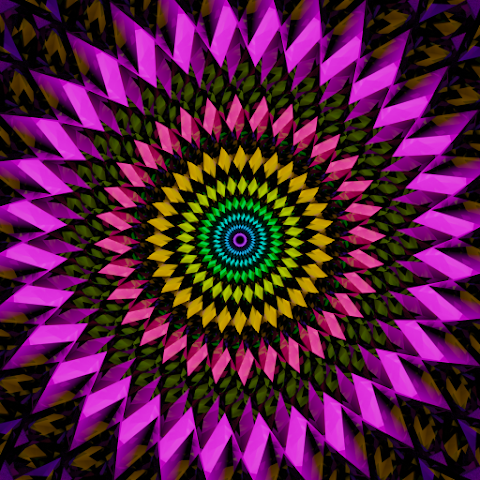
Meditation candles can create a simple focal point for quiet breathing and reflection. We designed Mesmerize to add another layer to that experience through animated visuals, calming soundscapes, guided meditation, and breathing exercises.
Mesmerize includes:
👉 Download Mesmerize for iPhone or for Android to try visual meditation for free
Picking a meditation candle comes down to matching the candle to the goal of the session, not just the prettiest label on the shelf.
Price matters too, but it's not always a reliable quality signal. A $40 candle in fancy packaging isn't automatically cleaner-burning than a $12 soy candle from a small maker. Checking the wax type and wick material — cotton or wood, not metal-core — usually tells more than the price tag does.
Candles aren't the only way to give the mind a visual anchor. Visual meditation apps use moving light, pattern, and sound instead of an open flame, which solves the obvious safety and travel limitations of real candles.
Neither approach is strictly better — they solve slightly different problems. A candle brings warmth, ritual, and scent into a physical space; an app brings structure, guidance, and portability. Some people alternate between the two depending on whether they're home or traveling. Those curious about the research behind visual, screen-based focus techniques can look at the science behind visual meditation to see how it compares to traditional flame-based practice.
For anxiety specifically, a combination often works best: light a candle for the opening ritual, then shift into a guided session like the ones found in anxiety relief meditations, letting the structured breathing do the heavier lifting once the flame has done its job of signaling "it's time to slow down."
Open flame always carries risk, and meditation sessions — by design — involve reduced alertness. A few basics matter more than they might seem:
That last point is worth taking seriously. For evening wind-down sessions where falling asleep is likely, sleep-focused meditation content removes the fire risk entirely while still delivering a calming visual and audio experience.
Meditation candles earn their popularity honestly. They're simple, affordable, and tap into something genuinely useful — a flame's ability to hold attention without demanding much of it. Choosing the right one mostly comes down to matching scent and wax type to the actual goal of the session, then building a consistent, safe ritual around it.
For sessions where flame isn't practical, or when a bit more structure helps the mind settle, pairing candlelight with guided, visual practice can round things out nicely. Explore more grounding techniques on the Mesmerize blog, or try a guided visual session by downloading the Mesmerize app and comparing how light-based meditation feels next to a traditional candle ritual. Those ready to commit to a regular practice can also check current subscription plans for ongoing guided content.
I canceled my subscription with Headspace and I now pay for Mesmerize instead. I was hooked after the free trial! I love how customizable the sounds, meditations, and visuals are! Using this app has honestly become my favorite part of my day! ☺️ It helps me relax, meditate, visualize, sleep, and it does wonders for my anxiety/phobia/ocd tendencies. Thank you Mesmerize for giving us this amazing mental health tool! I told my therapist about this app and have been telling all my friends too. It’s just so helpful!
This is the second or third app in the mindfulness and meditation realm, and it’s the most scientific approach I have found. I have found these combinations of open monitoring, and focused attention meditation techniques are the most viable for those suffering from more severe forms of sleep, pain, and anxiety dysfunction one may be suffering from. Many of these approaches are used by professionals in a cognitive behavioral therapy setting. A truly complete approach in mindfulness and meditation.
I suffer from clinical depression and sometimes I get into a bad headspace but this app has really helped me whenever I’m in a bad mood I turn on the app listen to some person taking about breathing and look at cool figures on my phone and it makes me feel so much better I would highly recommend this app it’s worth the money
It didn’t take but five minutes of using this app to buy a yearly subscription. Worth it on so many levels. Easy to manipulate to what I like. Massive library of music, videos, etc.
Clear your mind and relax with a unique audio visual meditation experience.